Over 20 human rights, pro-choice, and international aid groups, and the Norwegian and Danish Governments, have called on the UK Government to reverse its decision to arbitrarily strip ‘sexual and reproductive health and rights’ and ‘bodily autonomy’ from an international human rights statement it – and 22 other countries – signed only two weeks ago.
However, the agreed statement, published on the Foreign, Commonwealth and Development Office website, was inexplicably amended without consultation; removing any references to ‘sexual and reproductive health and rights’ and ‘bodily autonomy’.
Now the Norwegian and Danish Governments have criticised the move. The Norwegian Government has told the Guardian:
‘Norway and Denmark have approached the UK and the Netherlands, who are the chair and co-chair respectively of the International Religious Freedom or Belief Alliance (IRFBA), to enquire about and protest against the substantive changes to the statement and the way the changes were made. Norway has yet to make a decision on being a signatory to the amended version of the statement.’
Furthermore, an array of influential charities and rights groups have signed a joint letter asking the UK Government to explain its reasoning behind the shock move and to reverse its decision immediately. The letter was organised by Humanists UK, which first spotted the change. Signatories include Amnesty International UK, Human Rights Watch, ActionAid UK, BPAS, MSI Reproductive Choices, Liberty, Fawcett, Brook, the End Violence Against Women Coalition, Article 19, and Maternity Action.
They write to the Foreign Secretary, Liz Truss:
‘We are writing to you with serious concern about the deletion of references to ‘sexual and reproductive health and rights’ and ‘bodily autonomy’ from the UK-organised ‘Statement on freedom of religion or belief and gender equality’. We urge you to reverse this move, and hope you could explain why the change happened in the first place.
‘As Professor Ahmed Shaheed, the UN Special Rapporteur on Freedom of Religion or Belief, has said in response to the changes: “Claims that freedom of religion or belief can be invoked to deny women and girls the exercise and enjoyment of their sexual and reproductive health rights have no foundation in human rights. Rather, such claims must be rejected as representing intolerant and patriarchal attitudes that deny the equal rights of men and women to freedom of religion or belief. Such claims especially ignore that freedom of religion or belief also guarantees to women the right to bodily autonomy and conscientious choice.”
‘At a time when abortion provision around the world is under serious threat, due to the reversal of Roe v Wade, it has never been more important for the UK Government to stand up for sexual and reproductive health and rights and bodily autonomy. We note that the latest British Social Attitudes Survey to ask indicates that less than 5% of the UK population oppose access to abortion in all circumstances. In addition, 22 countries had signed up to the statement before revision – a similar number to those signing the other Ministerial statements – which is further indication that there is no sound reason for these amendments. We urge that they be reversed immediately.’
Andrew Copson, Chief Executive of Humanists UKsaid:
‘The Government must surely be aware that, given the recent events in the United States, abortion rights are under threat. To amend an agreed statement in such a manner, omitting these rights, is therefore particularly poorly timed, never mind about being regrettable anyway.
‘Unfortunately, this supplanting of individual freedom under the guise of “religious freedom” is an example of the right to freedom of religion or belief being abused in order to infringe the rights of others.
‘The Government should withdraw these amendments.’
Marie Juul Petersen, Senior Researcher at the Danish Institute for Human Rights, helped draft the original statement. She has told the Guardian that the revised text was ‘a big surprise’ and called the amendment process ‘flawed and unreasonable’. She added:
‘I saw the original statement as such a big step forward because this has been a very conflict-ridden area – the relationship between freedom of religion and belief and gender equality. For so many years, there have not been many attempts at finding synergies and overlaps or at demonstrating how these two sets of rights are actually compatible and in fact intertwined and inseparable. And I thought this statement was really a big step forward in that direction, showing that these two rights are not in opposition to one another but can actually reinforce one another. So I was really disappointed.’
A total of 22 countries signed the Statement before it was amended. The revised Statement has seen that number reduce to five of the original signatories, plus one new addition – anti-abortion Malta.
The stated intention of the London 2022 International Ministerial Conference on Freedom of Religion or Belief was bringing international governments, parliamentarians, faith and belief representatives, and civil society together to increase global action on freedom of religion or belief for all.
Speakers included Humanists UK’s Chief Executive Andrew Copson, in his capacity as President of Humanists International, who spoke at the opening session alongside the Foreign Secretary, Archbishop of Canterbury, Chief Rabbi, and global Muslim, Hindu, and Sikh leaders.
Notes:
Those signing the letter protesting the changes to the original statement are:
Andrew Copson, Chief Executive, Humanists UK
Clare Murphy, Chief Executive, British Pregnancy Advisory Service (BPAS)
Bethan Cobley, Director of Policy and Partnerships, MSI Reproductive Choices
Sacha Deshmukh, CEO, Amnesty International UK
Yasmine Ahmed, UK Director, Human Rights Watch
John Good, Acting CEO, ActionAid UK
Martha Spurrier, Director, Liberty
Jemima Olchawski, Chief Executive, Fawcett Society
Helen Marshall, Chief Executive, Brook, UK
Andrea Simon, Director, End Violence Against Women Coalition
Quinn McKew, Executive Director, Article 19
Ros Bragg, Director, Maternity Action
Mara Clarke, Founder, Abortion Support Network
Emma Campbell, Co-Convenor, Alliance for Choice
Jane Fisher, Director, Antenatal Results and Choices (ARC)
Dr Hayley Webb, Co-Chair, Doctors for Choice UK
Lesley Hoggart and Jayne Kavanagh, Co-Directors, Abortion Talk
Marge Berer, Retiring Coordinator, International Campaign for Women’s Right to Safe Abortion
Rachel Adamson and Laura Tomson, Co-Directors, Zero Tolerance
Jackie Longworth, Chair, Fair Play South West, the women’s equality network
Professor Claire de Than, Chair, Sexual Health and Disability Alliance
Jo Kinsey, President, Business & Professional Women UK
Dr Pam Lowe, Senior Lecturer, Aston University
Marie Fox, Professor of Law, Health Law & Regulation Unit, University of Liverpool
Grainne Maginnis
For further comment or information, media should contact Humanists UK Director of Public Affairs and Policy Richy Thompson at press@humanists.uk or phone 020 7324 3072 or 07534 248 596.
In terms of what has changed in the statement:
A part said ‘Discriminatory personal status laws, laws that allow harmful practices, or restrict women’s and girls’ full and equal enjoyment of all human rights, including sexual and reproductive health and rights, bodily autonomy, and other laws that justify, condone, or reinforce violence, discrimination, or inequalities on the grounds of religion, belief or gender should be repealed’.It now merely says ‘Challenge discriminatory laws that justify, condone, or reinforce violence, discrimination, or inequalities on the grounds of religion, belief or gender and that restrict women and girls’ full and equal enjoyment of human rights’.The significant change here appears to be the removal of ‘laws that restrict women’s and girls’ full and equal enjoyment of all human rights, including sexual and reproductive health and rights, bodily autonomy… should be repealed’.
A part said ‘We commit to protect and support individuals, organisations and institutions that work to promote gender-responsive religious interpretations and practices’.‘gender-responsive’ has been replaced with ‘human dignity through’.
A part said ‘support and build capacities of local religious and belief leaders to advocate for gender equality, denounce sexual and gender-based violence and harmful practices and ensure access to sexual and reproductive health and rights’.Everything after ‘religious and belief leaders’ has been deleted. So again, sexual and reproductive health and rights has been removed.
As already noted, 18 signatory countries of the statement have come off the list, while one – Malta – has signed since.
Humanists UK is the national charity working on behalf of non-religious people. Powered by 100,000 members and supporters, they advance free thinking and promote humanism to create a tolerant society where rational thinking and kindness prevail. Humanists UK provides ceremonies, pastoral care, education, and support services benefitting over a million people every year and its campaigns advance humanist thinking on ethical issues, human rights, and equal treatment for all.
The views, opinions and analyses expressed in the articles on Humanist Freedoms are those of the contributor(s) and do not necessarily reflect the views or opinions of the publishers.
In our search for interesting, challenging and critical perspectives on contemporary humanism, we occasionally find articles published via other venues that we think HumanistFreedoms.com readers may enjoy. The following articles and studies were located on the APA website and in several online publications.
Self-referencing affects perceptions of workplace discrimination against atheists.
Cantone, J. A., Walls, V., & Rutter, T. (2022). Self-referencing affects perceptions of workplace discrimination against atheists. Psychology of Religion and Spirituality. Advance online publication. https://doi.org/10.1037/rel0000466
The number of self-identified atheists and nonreligious individuals is increasing, yet research examining discrimination toward atheists in the workplace remains rare. The present study expands prior work on religious hostile work environment complaints to one involving an atheist employee alleging discrimination. In the present study, 234 students and community members (gender: 133 women, 93 men, 6 nonbinary/transgender, 2 unreported; religious status: 126 religiously affiliated; 75 “none”; 10 atheist; 6 agnostic; 17 unreported) were recruited to complete an online legal decision-making study. Participants read the complaint of an atheist employee alleging that an Evangelical Christian supervisor’s proselytizing constituted discrimination. Participants were randomly assigned to one of four conditions varying the complainant’s gender (male; female) and student status (student; worker) to examine the role of similarity. Participants completed legal measures from both the objective perspective required by the law and their own subjective perspective to examine the role of self-referencing. Participants’ subjective ratings of whether the conduct would constitute discrimination if it happened to them generally affected their objective ratings of whether the atheist employee had been discriminated against. Religious status similarity, as well as gender, affected participants’ legal ratings. In particular, nonreligious, atheist, and agnostic participants were more likely to see the conduct as discrimination, while Evangelical Christian participants were less likely. Results show that self-referencing and similarity affect how people perceive workplace discrimination faced by atheists. Recommendations for future research and workplace trainings are discussed. (PsycInfo Database Record (c) 2022 APA, all rights reserved)
Being agnostic, not atheist: Personality, cognitive, and ideological differences.
Karim, M., & Saroglou, V. (2022). Being agnostic, not atheist: Personality, cognitive, and ideological differences. Psychology of Religion and Spirituality. Advance online publication. https://doi.org/10.1037/rel0000461
Abstract
Thomas Henry Huxley coined the term agnostic in 1869.
Why do several nonreligious people self-identify as agnostic and not as atheist? Beside epistemological differences regarding what is knowledgeable, we hypothesized that such a preference reflects (a) personality dispositions, that is, prosocial orientation, open-mindedness, but also neuroticism, (b) cognitive preferences, that is, lower analytic thinking, and (c) ideological inclinations, that is, openness to spirituality. In a secularized European country (Belgium), we surveyed participants who self-identified as Christian, agnostic, or atheist (total N = 551). Compared to atheists, agnostics were more neurotic, but also more prosocially oriented and spiritual, and less dogmatic.Strong self-identification as atheist, but not as agnostic, was positively related to analytic thinking and emotional stability but also dogmatism. Nevertheless, spiritual inclinations among both agnostics and atheists reflected low dogmatism and high prosocial orientation, and, additionally, among agnostics, social and cognitive curiosity. From a personality perspective, agnostics compose a distinct psychological category and are not just closet atheists. (PsycInfo Database Record (c) 2022 APA, all rights reserved)
Explaining anti-atheist discrimination in the workplace: The role of intergroup threat.
Rios, K., Halper, L. R., & Scheitle, C. P. (2021). Explaining anti-atheist discrimination in the workplace: The role of intergroup threat. Psychology of Religion and Spirituality. Advance online publication. https://doi.org/10.1037/rel0000326
Abstract
Based on the common ingroup identity model and Intergroup Threat Theory, as well as the fact that atheists are among the most stigmatized groups in the U.S., the present experiments tested whether and why people would be less willing to accommodate atheist (relative to Christian, Jewish, or Muslim) employees’ religion-related requests in the workplace. In three studies, participants responded to vignettes depicting an employee who requested to express his/her religious beliefs (or lack thereof) at work—for example, by displaying a quote at his/her cubicle or wearing a pin with a religious (or non-religious) symbol. As predicted, participants were especially unlikely to honor the atheist employees’ requests; this effect was driven by participants’ perceptions that the atheist employees posed a symbolic threat (i.e., were trying to impose their beliefs onto others; Studies 2–3) and, to a lesser extent, a realistic threat (i.e., jeopardized the organization’s economic status and resources; Study 3) in the workplace. Though the effects of participant religiosity were inconsistent across studies, the tendency for reluctance to accommodate the atheist employees’ requests was slightly stronger among religious than non-religious participants. Implications for how anti-atheist bias at work arises and can be mitigated are discussed. (PsycInfo Database Record (c) 2021 APA, all rights reserved)
The views, opinions and analyses expressed in the articles on Humanist Freedoms are those of the contributor(s) and do not necessarily reflect the views or opinions of the publishers.
Under legal pressure from a humanist parent, a school without a religious character in Worcestershire has radically altered its planned Key Stage 4 curriculum for 2022/23, in order to make sure that its religious education is fully inclusive of humanism.
Humanists UK, which supported the parent, said the decision marks a ‘significant win’ in making sure that schools do not force a narrow curriculum on children, and says the Department for Education and other schools must now make sure that such a broad curriculum is also offered everywhere else. In a timely coincidence an amendment to the Schools Bill, to replace RE with ‘religion and worldviews’ education in schools without a religious character, is due to be debated during Report Stage of the Bill on the afternoon of 12 July. The amendment is being proposed by crossbench peer Baroness Meacher.
Humanist parent James Hammond launched the case after learning that his child was being mandated to study an RE GCSE with a syllabus that was not inclusive of non-religious worldviews. No additional teaching was to be provided to make up for this exclusivity. All other schools in the academy trust apart from the one in question appeared to provide inclusive RE. Furthermore, since the school did not provide alternative GCSE options for those withdrawing from RE, if Mr Hammond withdrew his child, then they would have missed out on one GCSE qualification compared with their peers.
The academy has agreed to meet the parent’s request by providing, in addition to the GCSE course, two other units of RE, one for Year 10 and one for Year 11, focusing on non-religious worldviews and taught from a critical and objective perspective. Each unit will run for 6-7 weeks, and will meet the requirement to accord equal respect for non-religious worldviews in RE, as established in 2015 by the Fox case.
Parent James Hammond said:
‘I’m delighted that the school has conceded in this case, and by so doing accepted that its RE provision for years 10 and 11 was unlawful, due to not being inclusive of non-religious worldviews.
‘It was wholly wrong that a school of no religious character was imposing such a narrowly-focused RE curriculum on 15 and 16 years olds: at that age they are developing advanced powers of reason and thought, so to deny them the ability to learn about non-religious beliefs and values was both discriminatory and short-sighted, given the increasingly non-religious demographics in Britain.’
Humanists UK Education Campaigns Manager Robert Cann said:
‘This is a significant win. The Fox case in 2015, which was supported by Humanists UK, clearly set a legal precedent – this school should never have forced Mr Hammond into taking this action in the first place, and we are glad that it eventually conceded the case.
‘But the fact that the school was able to behave in this way in the first place was due to a failure of leadership by the UK Government. We’d much rather not be going through the courts – the Government must enable the Schools Bill to bring this case law onto the statute book, by accepting today’s amendment on religion and worldviews education.’
Dan Rosenberg of Simpson Millar said:
‘While my client is pleased that the case has been resolved in a way that enables his child to be taught RE in a more inclusive way, it should not have required the threat of legal action to resolve this. Mandating a GCSE course focused exclusively on religious worldviews for all pupils, at a school without a religious character, and as the entirety of their RE provision, was always going to run into legal trouble. The school has sensibly acknowledged the need for a significantly wider offering.
‘My client hopes that other schools will take a cooperative and responsible approach to providing non-discriminatory, inclusive education for all children, and no other parents will need to instruct solicitors to ensure that their concerns and beliefs are taken seriously.’
The views, opinions and analyses expressed in the articles on Humanist Freedoms are those of the contributor(s) and do not necessarily reflect the views or opinions of the publishers.
As a follow-on to his popular article “Is Wokism a Mind Virus?” article, Dr. Robertson has agreed to share his experience as a moderator of a popular humanist-themed social media discussion page.
In the early 1990s the Humanist Association of Canada (HAC) created an on-line open discussion forum for people who believed in the free and open exchange of ideas and were committed to respecting the dignity of each individual. This forum moved to Facebook shortly after 2005, and the discussion group’s membership grew to more than 1,500. Then, in 2015 a re-branded Humanist Canada unveiled its new professionally designed Facebook page. Only board members could initiate posts on this new platform (although this right was eventually taken away from them as well). The old HAC listserve was allowed to continue. Although it was basically self-monitoring, board secretary Michel Virard was named administrator and I was named as one of three moderators. This article is about how this discussion group came to be viewed “problematic,” and was terminated.
Dr. Lloyd Hawkeye Robertson
The major part of my time as a volunteer Humanist Canada board member at the time was to research the need for ceremony in the lives of humanists (Robertson, 2017b). As a consequence, I was invited to participate in a HAC thread initiated by the Humanists, Atheists and Agnostics of Manitoba on the need for humanist ceremonies. As expected, the discussion was cordial, informative and productive. I returned to the discussion group site in 2019, but this time the language was anything but cordial. Some members were calling on the moderators to ban others they called “racists,” “alt-right,” “white supremacists,” and “anti-humanists.” I read the offending posts. No one had advocated racism, white supremacy or even conservative politics. Earlier, white academic activists who used such language to support what some called “cancel culture” had appropriated the term “woke” from black culture to imply those that did not share their views were “not awake.” I told these Woke to keep the discussion civil. A couple of weeks later I found the former victims giving as good as they got, so I admonished them all. Over time non-Woke stopped participating. With no debate, the only new threads on the old site were pleas for donations from a humanist school in Uganda that was, at the time, partially funded through Humanist Canada. To stimulate discussion, I posted an article by a police officer (Wilson, 2020) arguing against the then current campaign to defund the police. I invited comments, but as a moderator offered no opinion. One commentator stated that articles published in Quillette Magazine should not appear in a humanist forum. I set up a separate thread to discuss whether we should censor articles based on their magazine of origin.
Image Courtesy of vectorstock.com
Several articles from Quillette were posted but none promoted an ideology of racism, sexism or hate, and I refused to impugn motives based on some subjectively held notion of “dog-whistling.” One participant repeatedly expressed insult over my refusal to share my own views on the RCMP officer’s article. I agreed to do so, but under my own name outside of the moderator role. The resultant exchange was reasoned and civil.
Steven Pinker
Two posts in a different discussion thread implied, without evidence, that humanist Steven Pinker was associated with pedophilia. I viewed this as promoting hatred against an individual, and in the role of moderator, I deleted the posts. During the subsequent discussion, I informed one of the posters that he could appeal my decision to the site administrator, but he replied that he would approach “Martin,” the Humanist Canada president, instead.
During the ensuing months the HAC site generated more comments than the official Humanist Canada page despite having one third the members, and discussions were mostly civil. Then, in early August 2020, another moderator who had only recently become involved, cancelled a participant’s right to post under circumstances I challenged. The moderator explained:
The reason I blocked Ullrich Fischer form (sic) the HAC site had nothing to do with the nature of the content he was posting, but for targeting another member for harassment by systematically going through her previous comments on previous posts and replying to each one. (Sassan Sanei, e-mail, Aug. 6/20)
Ullrich had posted “five or six” replies to separate posts mostly responding to comments the other member had posted to him. For example, she had advised “Please don’t post alt-right material to a Humanist Group” to which he had responded, “Please don’t define as alt-right everything which disagrees with you about anything.” I restored Ullrich’s privileges because due process had not been followed. I explained that we could create a rule limiting the number of posts a member could make, but in fairness we would need to communicate such a rule to everyone in advance, and no one should be cancelled after a first offense. I also pointed out that the alleged “victim” here had called yet another member a “terrible human being” and had sent that member a private message calling her a “condescending bitch,” so if anyone should be cancelled it should be this alleged victim. Sassan then apologized to Ullrich admitting:
It was wrong of me to do that without informing you why the action was taken, giving you an opportunity to respond, or discussing it with other moderators. I’m sorry, and I promise you it will not happen again.
Sassan took exception to my use of the term “Woke.” While the term had been appropriated from U.S. black culture, he explained the word was now used as a slur directed against the appropriators. I agreed to use an alternate term “Identitarian Left” instead.
In early September I deleted four posts that consisted of name calling, swearing or belittling of people. In keeping with our protocol, I notified the other moderators. Sassan re-instated two of the posts explaining in an email, “The idea of a safe space does not extend to non-victimized or non-marginalized persons.” One member whose post remained deleted after calling another “a racist piece of shit,” declared that I, the moderator, favoured “raping and torturing children.” When asked for evidence, he posted that I had deleted the incriminating posts.
Brand Management: Entity over Ideology? (Image Courtesy Marketplace Valet)
At a meeting that included the Humanist Canada president, Sassan and me, it was decided to remove all reference to Humanist Canada in the old discussion group as the discussions were “hurting our brand.” I thought it odd that the site administrator had not been invited to this meeting. Nonetheless, the Identitarian Left still insisted that anything stated on the site represented Humanist Canada policy. In keeping with the discussion at our meeting, I posted:
This is not the official webpage of Humanist Canada and the opinions expressed here do not conform to any official statement or position. This is an open discussion group for humanists with a wide variety of opinions and perspectives. We ask that participants to this forum talk to each other respectfully.
One poster became so offended by this statement that he called on the president, Martin Frith, “to do something with me.” In the meantime, Sassan suspended comments on a thread in support of ex-Muslims who had become humanists, and he suspended the person who started the thread for the next 30 days with the ominous warning “if another admin approves (his posts) I will remove them.” As it had become apparent that the two moderators were following different rules, I decided to bring it to the Humanist Canada board for resolution. I proposed that Sassan and I each resign to be replaced by a former Humanist Canada treasurer who could be seen as a neutral moderator using the following rules:
No racist, sexist or hate speech permitted;
Bullying including name-calling is not permitted;
Posts that contain racist, sexist or hate speech or otherwise exhibit bullying will be removed;
Participants who have posts removed will be advised of the reason for the removal;
Persistent abuse of the rules will result in an individual losing their posting privileges.
Sassan’s response at the board meeting was to demand an apology from me for using the term “Identitarian Leftist!” The board decided to refer the matter to its social media committee. I reverted to using the term “Woke.”
Four new discussion group members identified as transgender. When Sassan posted a “trans rights are human rights” banner in the forum, one trans person accused him of appropriating trans issues to advance his organization. He replied that his post was necessary because many humanists had been posting “transphobic” and “hateful” statements. I had not seen any such statements, and I asked Sassan to produce them. He said he had deleted them, but as moderator, I had access to all deletions, and found none. Sassan subsequently deleted as “transphobic hate speech” an article written by a transwoman, that was critical of J.K. Rowling. I did not consider her call for dialogue to be hate speech, so I reposted it under my name. The initial discussion on this article was civil, but it was interrupted by an individual who called me a transphobe and a bigot without any arguments supporting those assertions. Ze also contacted me on my private messenger service with threats to have me removed as moderator. Ze subsequently posted, on the personal Facebook of another member, “You are completely uneducated. Ignorant. Privileged and bigoted.” As this individual had six similar posts removed earlier, I cancelled the member’s posting privileges. Sassan reinstated the person without contacting me. I cancelled the person again. I then discovered I was cancelled as moderator. I appealed to the site administrator but he had been cancelled too! The president suggested we sort this problem out at the social committee meeting he would schedule.
The dam burst. Transactivists and their allies attacked non-Woke with the same derision that had prompted me to become an active moderator the year earlier. Three participants defended me saying that they had searched my postings and did not find any posted by me that were anti-trans. Woke replied that I had removed the offending posts. One of the Woke organized a letter writing campaign. Sassan defended this behaviour stating, “The member(s) in question was (were) not harassing anybody. They were standing up and speaking out against the endless stream of hateful, transphobic commentary and bullying that has dominated the group in recent weeks.” No examples of such hateful, transphobic or bullying comments were given.
The HAC discussion group was shut down with the rationale that social media necessarily degenerates into such divisive name calling. I believed this was likely true at the time, but the New Enlightenment Project (NEP) established its own Facebook discussion forum in 2021, and it has proven to be a safe place in which humanists can have respectful, informative and civil conversations about controversial topics.
Sassan had not been authorized to terminate a moderator or the discussion group administrator. President Frith was determined to ensure that this matter would not be discussed by the Humanist Canada board, and he invited me to attend a “discussion group post-mortem.” After waiting for Martin who failed to attend, Sassan apologized for his actions to the cancelled administrator and myself. I thought he should apologize to the board because he had broken a board protocol, but the former administrator suggested that we should move on to educate humanists about the threat of Wokism.
This was my first direct experience observing Wokism in action. The Woke accused those who disagreed with them of being anti-humanist. People who said Canada’s first prime minister should not be blamed for things that happened well after his death were accused of favoring the torturing and raping of children. Feminists who want to ensure biological females have safe spaces were accused of wanting to deny transsexuals right to exist. Those who defended their positions were accused of harassment or bullying. There were thus two types of humanists represented: the Woke who viewed freedom of speech, science, logic and reason as “white, male ways of knowing” in opposition to their “anti-racist” narratives; and, those grounded in the Enlightenment view that we can learn about objective reality through careful observation, science, reason and logic. To these Enlightenment humanists, freedom of speech acts as an antidote to dogma and is a means of checking our own subjectively held biases. Those who coined the term “The Enlightenment” implied that those who disagreed with their approach were unenlightened, but in my book, The Evolved Self (Robertson, 2020), I argue that these values flow from the individualism inherent in having a self,and that this self is both cross-cultural and ancient. The Enlightenment was not about educating unenlightened people so much as removing cultural constraints on the powers of mind. From this lens, Wokism is a reactionary movement seeking to re-impose such constraints.
I came to the conclusion that Wokism is not a coherent ideology but amalgam of partially assimilated and conflicting belief systems (Robertson, 2021). It replaces the economic ruling class of Marxism with the racial designation “white.” It uses anti-Marxist postmodernism to “deconstruct” all beliefs with no rationale given as to why its own dogma is exempt from such deconstruction. Its attack on science and reason is copied from Martin Heidegger (1962), but it claims to be anti-fascist. It claims allegiance to social justice but ignores the egalitarian basis of the civil rights movement upon which social justice is built. The Woke claim to be anti-racist but promote the racialization of society through identity politics. They claim to be anti-capitalist while being embraced by the largest corporations in the world. They are convinced of their moral superiority, but are prepared to act unethically to defeat their opponents. These contradictions help explain the psychology of the people I observed.
Sassan had been extremely deferential to the transperson who accused him of using trans-issues to further an agenda. Sometimes referred to as “victim culture” (Campbell & Manning, 2014, 2016; Gabay et al., 2020; Haufman, 2020), Wokism establishes a hierarchy of identity groups with members of some groups presumed to have suffered greater victimization thereby acquiring greater moral entitlement. One would think that white males would be at the bottom of this hierarchy, but they are given a special role. Several times white males in the discussion group would state that they were “giving voice” to those “without voice.” This gives them a leadership position in which they engage in aggressive attacks on others as evidence of overcoming their own “whiteness.” On numerous occasions I observed Woke amending their posts after the discussion so as to make themselves appear more effective.
Like a secret cult, Wokism may not be named and attempts to name it are deemed to be “slurs.” The Woke would prefer to be known as “Left” or “Progressives;” yet we know there are many people who identify with the Left who embrace science, reason and free speech. We also know that progressivism is an Enlightenment doctrine that peoples’ lives can be improved incrementally. By this measure a leading progressive is Steven Pinker (2012, 2018), a humanist whom the Woke have repeatedly denounced.
Every cult needs some means of identifying authentic members, and the Woke do this through the inventive use of language. For example, the word “Latinx” is not used by Hispanic people and it is not used by Woke talking to Hispanic people. It is used by Woke talking through Hispanic people to other Woke. The word “systemic” is thrown in before words like “racism,” “sexism,” and “oppression,” but it is not used as an adjective because the Woke never explain how systems work to establish these problems. The word “problematic,” is used in preference to the word “problem” so as to appear more “systemic.” Similarly words like micro-aggression, intersectionality, and cisgender are not needed for communication, but signify that the user is Woke.
“in the final analysis, wokism is abut power.”
In the final analysis, Wokism is about power. The Woke have taken over universities, school boards, media, non-government organizations and government agencies for the purpose of creating more Woke. Although they were successful in disabling and shutting down an open humanist discussion group, the Woke were not finished with Humanist Canada. Enlightenment humanists need to recognize the challenge to our movement and to update our understandings in light of modern conditions.
Campbell, B., & Manning, J. (2016). Campus Culture Wars and the Sociology of Morality. Comparative Sociology, 15(2), 147-178.
Gabay, R., Hameiri, B., Rubel-Lifschitz, T., & Nadler, A. (2020). The tendency for interpersonal victimhood: The personality construct and its consequences. Personality and Individual Differences, 165, 110134. https://doi.org/doi.org/10.1016/j.paid.2020.110134
Haufman, S. B. (2020, June 29). Unraveling the Mindset of Victimhood: Focusing on grievances can be debilitating; social science points to a better way. Scientific American.
Pinker, S. (2012). The better angels of our nature: Why violence has declined. Penguin.
Pinker, S. (2018). Enlightenment now: The case for reason, science, humanism, and progress. Penguin.
Robertson, L. H. (2017a). The infected self: Revisiting the metaphor of the mind virus. Theory & Psychology, 27(3), 354-368. https://doi.org/10.1177/0959354317696601
Robertson, L. H. (2017b). Secular weddings in Canada: An examination of a humanist response to the evolution of marriage. Journal of Secularism and Non-religion, 6, 1-10. https://doi.org/<http://doi.org/10.5334/snr.76>
Robertson, L. H. (2020). The Evolved Self: Mapping an understanding of who we are. University of Ottawa Press.
The views, opinions and analyses expressed in the articles on Humanist Freedoms are those of the contributor(s) and do not necessarily reflect the views or opinions of the publishers.
To all of Don’s many friends and family, HumanistFreedoms.com would like to express our most heartfelt condolences and sympathy. if you have memories or sentiments to share, please add them as comments or send an email and we’ll be proud to share them on this page.
Recollection by Eric Adriaans
A little over a week ago, I received an email message from an old friend that said simply, “Don died on Sunday. We’re all a bit shocked. I’ll let you know more soon.” Messages from old friends can be like that sometimes. There doesn’t really need to be more -every word carries its own freight of memory and significance. Old friends know how utterly, deeply felt and shared is the loss of a friend like Don Cullen.
I first met Don in the cramped and stuffy Toronto offices of Centre For Inquiry Canada (CFIC) at the corner of Yonge & College in the spring of 2014. I had recently joined the organization and wasn’t altogether certain whether I had gotten my myself and my career onto a pretty unusual path. Then Don popped-in for a visit, wearing what seemed to be a kind of trademark big-grin-avec-fishing-vest ensemble, and we chatted for quite a long time.
Don Cullen with a copy of the infamous Charlie Hebdo “Je Suis Charlie” edition.
We chatted about the forming of CFIC and some of the other humanist organizations in Toronto and Canada; also about Don’s interests, career and memories. He told me about the Bohemian Embassy, about his poetry and about his deeply-felt and long-considered ideas about humanism and atheism. Don’s warmth, humour and intelligence were a welcome indication that I probably was on an unusual path – but there was wonderful company to be had. It was Don’s first of many gifts and lessons to me about humanism. It’s a gift I try to carry and share that gift of welcome and community with others.
I wasn’t aware at our first meeting, but Don was one of the people who helped to create CFIC. Later, I was able to obtain some recollections from him about this history and I want to recall some of that here.
In the late 1990’s, a vibrant American import name, Terri Hope, became coordinator of the Humanist Association of Toronto (HAT). Membership was growing and George Baker became a life member. George was a non-academic intellectual. Because of the Great Depression, he had left school in grade seven. Tests for air crew in the Royal Canadian Air Force proved George to be above average intelligence. It got him interested in great ideas. He read, attended lectures.
At that time, HAT had no home base. There was a phone number and an answering machine, a fax number and a website. Many HAT members wanted a store-front, a gathering place….a home. Proposals were made. George Baker was more than interested. Hard work and good luck had brought serious financial rewards and he wished to do something for Humanism.
I had presided over four incarnations of the Bohemian Embassy coffee house where Margaret Atwood, Ian & Sylvia Tyson, Al Purdy, Gordie Lightfoot, Joni Mitchell, Bill Coshy and many more performed. I arranged a meeting with George. He and I had already become acquainted with the Centre For Inquiry in Amherst, New York. Paul Kurtz, the founder, Tom Flynn and Joe Nickell had spoken at HAT events. I had attended talks in Amherst and CFI presented a 2-day conference at the Ramada Inn on Jarvis Street. They indicated a desire for a Toronto location and sought cooperation from HAT. Nothing resulted. Some say it was apathy among HAT members, fear of American domination or was it that CFI Los Angeles had drained the exchequer!
HAT members Ron Burns and Jim Cranwell joined George and me. Using the CFI model, we envisioned an umbrella organization with HAT, HAC and the Toronto Skeptics sharing the same roof. We needed a location. Feeling a need for more youthful participation, we wanted to be close to the University of Toronto and consulted Neil Wright Real Estate. he found us a location on Harbord Street. It needed a lot of work. George hired an architect. Plans were drawn up. A strike at City Hall delayed approval month after month. George, in his 80s, couldn’t stand the delays. He sold Harbord Street and got out.
Robert Buckman, an internationally famous oncologist had come to Toronto. He had a lot of TV exposure in Great Britain, had partnered with Monty Python’s John Cleese in several projects. He did several programs on TV Ontario. He had a high profile and he replaced Henry Morgantaler as President of HAC. HAT and HAC presented some events under Rob’s direction. Membership at HAT soared well over 200.
Quite separately, things were happening at U of T. It was decided to create a multi-faith Centre. Two students objected. Independently, Jenny Fiddes and Justin Trottier felt that a university should be secular, supporting no religion. Religion might support colleges but not the university. Where did atheists fit !?
George Baker and I heard about it and gave them a couple of hundred bucks for stamps and envelopes. I was on the HAT Board of Directors and proposed for Jenny and Justin to make presentations on the U of T campus. They were successful with considerable interest in Humanism and Atheism. George and I arranged a lunch at Bumpkins Restaurant with Justin, Jenny and Rob Buckman. Rob imagined a Humanist Drop-in Centre near the university. A meeting with Henry Morgantaler, Rob, Ron Burns, Jim Cranwell and me occurred and we decided we would do it. I contacted Mr. Wright and he found 216 Beverly Street.
The umbrella organization idea began to unfold. The skeptics were skeptical and decided not to participate. The Humanist Association of Canada wanted their headquarters to stay in Ottawa. A vote of HAT members was 100% for moving in and the organization was set up. The student team at U of T was enthusiastic….(more on the CFIC website)
It is eminently fitting to re-share one of Don’s own stories. Whether it was the forming and re-forming of the Bohemian Embassy or helping to shape humanist communities – Don seemed always, when I was with him, to be sharing a story. But also creating a stage for those around him to sing just as purely, laugh just as joyfully, think and feel just as deeply and shine just as brightly as he did.
Don was a wonderful human and a wonderful humanist.
Reflections by Richard Thain
I first met Don at a Humanist Association of Canada (HAC) conference almost four decades ago, and it was a pleasure knowing and associating with Don through HAC (now Humanist Canada), Humanist Association of Toronto, Centre for Inquiry Canada, etc.
As most of us know, Don was a creative dynamo, entertainer, writer, and Canadian cultural luminary. In addition to his professional work, Don found the time to support numerous secular humanist organizations. He regularly attended and contributed to humanist conferences, was a founder of Humanist Association of Toronto (HAT), and Centre for Inquiry Canada (CFIC). Don was an articulate and staunch supporter of all our humanist causes. One of the last conversations he had, before he died, was about how extremely upset he was over the recent news from the USA, regarding the overturning of the Roe (v) Wade decision.
In recent years, while visiting Toronto, I occasionally was able to join Don, Jim Cranwell, and other humanist, atheist friends, at their Friday afternoon social and discussion sessions. The conversations were always fascinating and enlightening, to say the least. On one such visit, he passed me his brilliant Quotesanon pamphlet. The pamphlet included a poem which he had written:
A Found Poem by Don Cullen
An eye for an eye
Makes the whole world blind. *
Only human kindness
Will save humankind. **
* Accredited to M.K. Gandhi
** Accredited to Bertrand Russell
Don Cullen was a thoughtful, generous, creative, and compassionate man. Last week we lost a wonderful friend – a great Canadian humanist.
Don Cullen, seated, in centre. Jim Cranwell, second from right.
Citations, References And Other Reading
Feature Image Courtesy: Dr. Richard Thain
The views, opinions and analyses expressed in the articles on Humanist Freedoms are those of the contributor(s) and do not necessarily reflect the views or opinions of the publishers.
In our search for interesting, challenging and critical perspectives on contemporary humanism, we occasionally find articles published via other venues that we think HumanistFreedoms.com readers may enjoy. The following article was located on the US Department of State Website.
DRL FY20 IRF Promoting and Defending Religious Freedom Inclusive of Atheist, Humanist, Non-Practicing and Non-Affiliated Individuals
The U.S. Department of State, Bureau of Democracy, Human Rights and Labor (DRL) announces an open competition for organizations interested in submitting applications for projects that support Religious Freedom globally.
“Religious freedom” refers to the right set out in Article 18 of the International Covenant on Civil and Political Rights, including the freedom to adopt a religion or beliefs, change your beliefs, practice and teach your beliefs (which may include through publications, public and private speech, and the display of religious attire or symbols), gather in community with others to worship and observe your beliefs, and teach your beliefs to your children. It also states that no one shall be subject to coercion that would impair one’s freedom to have or to adopt a religion or belief of his/her choice. Proposed programming must be responsive to restrictions on religious freedom, and must be in line with the U.S. Government’s religious freedom, democracy, governance, and human rights goals.
Applicants will be responsible for ensuring program activities and products are implemented in accordance with the Establishment Clause of the United States Constitution.
DRL’s goal is to ensure everyone enjoys religious freedom, including the freedom to dissent from religious belief and to not practice or adhere to a religion. By not adhering to a predominant religious tradition, many individuals face discrimination in employment, housing, in civil and criminal proceedings, and other areas especially in the context of intersectional identities. DRL’s objective is to combat discrimination, harassment and abuses against atheist, humanist, non-practicing and non-affiliated individuals of all religious communities by strengthening networks among these communities and providing organizational training and resources.
Activities should take place in 2-3 countries selected withinone of the following regions: South/Central Asia- countries within the SCA region as defined by the State Department; or the Middle East/North Africa (excluding Libya, Syria, and Yemen)- countries within the NEA region as defined by the State Department. Proposals are discouraged from including countries where ongoing conflict or violence would negatively affect beneficiary safety or quality of program oversight and must be accompanied by a strong justification in the proposal narrative should any such countries be included. By addressing and combatting discrimination towards those who are non-affiliated, non-practicing, or of no belief will increase the levels of religious freedom enjoyed by all people.
Expected Program Outcomes include but are not limited to:
Increased availability of mechanisms for members of minorities and marginalized groups – particularly atheists and nonbelievers – to advocate with community leaders and local and regional government officials regarding their religious freedom concerns;
Increased capacity among members of atheist and heterodox individuals to form or join networks or organizations, implement advocacy campaigns, and to engage with the public on issues of tolerance and acceptance of all regardless of faith;
Increased awareness and understanding among relevant government officials and law enforcement of the value and importance of human rights, peace, mutual respect, tolerance, and inclusion for all, irrespective of one’s religion or beliefs;
Increased awareness among citizens at the community level of concepts and implications of religious pluralism, mutual respect and inclusion for all, regardless of religion or belief;
Increased community-level interfaith or advocacy interactions inclusive of atheist, humanist, non-practicing and non-affiliated individuals (particularly those who are pressured, mandated and/or coerced into religious participation that is contrary to their personal non-belief system or philosophy);
Legal sector actors and/or local government officials are respectful and attentive towards the needs and interests of these individuals.
Program activities could include, but are not limited to:
Creating or strengthening networks of advocates for the diverse communities of atheist, humanist, non-practicing and non-affiliated individuals of all religious communities in target countries.
Strengthening the capacity of organizations representing diverse communities of atheist, humanist, non-practicing and non-affiliated individuals of all religious communities to advocate for their rights to political, legal, and societal leaders. Capacity building activities may include improving management structure, public engagement skills, legal rights advocacy, digital security, physical security, psychosocial support and coalition building techniques for these groups regardless of faith affiliation;
Expanding or creating opportunities for dialogue, coalition building, and joint action between faith and non-faith organizations in support of freedom of religion and belief. This can include but is not limited to public fora, town halls, journalism, public outreach/education, media campaigns, small grants, and other work;
Increasing capacity for monitoring and documenting religious freedom abuses or discrimination against individuals because of non-belief or on the basis of frequency/nature of an individual’s religious observance/practices- particularly those who are pressured, mandated, or coerced into religious participation that is contrary to their personal non-belief system or philosophy. Documentation can include: incident reports to support justice sector action, aggregate reports for legal or policy change advocacy, or quantitative reports for advocacy with international or multinational human rights bodies or agencies.
For all programs, projects should aim to have impact that leads to reforms and should have the potential for sustainability beyond DRL resources. DRL’s preference is to avoid duplicating past efforts by supporting new and creative approaches. This does not exclude from consideration projects that improve upon or expand existing successful projects in a new and complementary way. Programs should seek to include groups that can bring perspectives based on their religion (including non-belief), gender, disability, race, ethnicity, and/or sexual orientation and gender identity. Programs should be demand-driven and locally led to the extent possible. DRL also requires all of its programming to be non-discriminatory and expects implementers to include strategies for integration of individuals/organizations regardless of religion, gender, disability, race, ethnicity, and/or sexual orientation and gender identity.
Competitive proposals may also include a summary budget and budget narrative for 12 additional months following the proposed period of performance, indicated above. This information should indicate what objective(s) and/or activities could be accomplished with additional time and/or funds beyond the proposed period of performance.
Where appropriate, competitive proposals may include:
Opportunities for beneficiaries to apply their new knowledge and skills in practical efforts;
Solicitation of feedback and suggestions from beneficiaries when developing activities in order to strengthen the sustainability of programs and participant ownership of project outcomes;
Input from participants on sustainability plans and systematic review of the plans throughout the life of the project, with adjustments made as necessary;
Inclusion of vulnerable populations;
Joint identification and definition of key concepts with relevant stakeholders and stakeholder input into project activities;
Systematic follow up with beneficiaries at specific intervals after the completion of activities to track how beneficiaries are retaining new knowledge as well as applying their new skills.
Activities that are not typically allowed include, but are not limited to:
The provision of humanitarian assistance;
English language instruction;
Development of high-tech computer or communications software and/or hardware;
Purely academic exchanges or fellowships;
External exchanges or fellowships lasting longer than six months;
Off-shore activities that are not clearly linked to in-country initiatives and impact or are not necessary per security concerns;
Theoretical explorations of human rights or democracy issues, including projects aimed primarily at research and evaluation that do not incorporate training or capacity-building for local civil society;
Micro-loans or similar small business development initiatives;
Initiatives directed towards a diaspora community rather than current residents of targeted countries.
More available on the US Department of State’s website (link at the top of this article).
In our search for interesting, challenging and critical perspectives on contemporary humanism, we occasionally find articles published via other venues that we think HumanistFreedoms.com readers may enjoy. The following article was located in the Biosemiotics Journal Volume 14, Issue 3 (December 2021).
To explore how molecules became signs I will ask: “What sort of process is necessary and sufficient to treat a molecule as a sign?” This requires focusing on the interpreting system and its interpretive competence. To avoid assuming any properties that need to be explained I develop what I consider to be a simplest possible molecular model system which only assumes known physics and chemistry but nevertheless exemplifies the interpretive properties of interest. Three progressively more complex variants of this model of interpretive competence are developed that roughly parallel an icon-index-symbol hierarchic scaffolding logic. The implication of this analysis is a reversal of the current dogma of molecular and evolutionary biology which treats molecules like DNA and RNA as the original sources of biological information. Instead I argue that the structural characteristics of these molecules have provided semiotic affordances that the interpretive dynamics of viruses and cells have taken advantage of. These molecules are not the source of biological information but are instead semiotic artifacts onto which dynamical functional constraints have been progressively offloaded during the course of evolution.
Introduction
When Erwin Schrödinger (1944) pondered What is Life? from a physicist’s point of view he focused on two conundrums: how organisms maintain themselves in a far from equilibrium thermodynamic state and how they store and pass on the information that determines their organization. In his metaphor of an aperiodic crystal as the carrier of this information he both foreshadowed Claude Shannon’s (1948) analysis of information storage and transmission and Watson and Crick’s (1953) discovery of the double helix structure of the DNA molecule. So by 1958 when Francis Crick (1958) first articulated what he called the “central dogma” of molecular biology (i.e. that information in the cell flows from DNA to RNA to protein structure and not the reverse) it was taken for granted that that DNA and RNA molecules were “carriers” of information. By scientific rhetorical fiat it had become legitimate to treat molecules as able to provide information “about” other molecules. By the mid 1970s Richard Dawkins (1976) could safely assume this as fact and follow the idea to its logical implications for evolutionary theory in his popular book The Selfish Gene. By describing a sequence of nucleotides in a DNA molecule as information and DNA replication as the essential defining feature of life, information was reduced to pattern and interpretation was reduced to copying. What may have initially been a metaphor became difficult to disentangle from the chemistry.
In this way the concept of biological information lost its aboutness but became safe for use in a materialistic science that had no place for what seemed like a nonphysical property. This also made the concept of biological information consistent with the engineering conception of communication described by Claude Shannon (1948) in the introduction to his famous “Mathematical theory of Communication.” In the introductory paragraph he says that “The fundamental problem of communication is that of reproducing at one point either exactly or approximately a message selected at another point.”
Notice the near identity with Dawkins’ conception of replication. Both approaches only consider the properties of the communication medium itself and ignore all referential and functional properties. Shannon acknowledges this when he follows this by immediately pointing out that “Frequently the messages have meaning; that is they refer to or are correlated according to some system with certain physical or conceptual entities. These semantic aspects of communication are irrelevant to the engineering problem.” As the information theorist Robert Fano once remarked, when discussing Shannon’s theory:
“I didn’t like the term Information Theory. Claude didn’t like it either. You see, the term ‘information theory’ suggests that it is a theory about information – but it’s not. It’s the transmission of information, not information. Lots of people just didn’t understand this … information is always about something. It is information provided by something, about something.” Interview with R. Fano (2001)
But Dawkins makes no such distinction. Unlike Shannon’s “engineering problem,” however, the “biological problem” cannot be adequately addressed with out taking into account the function of molecular information. A physical pattern by itself is not about anything. The sequence of nucleotides in a DNA molecule is just a molecular structure considered outside the context of a living cell. For this structure to be about something there must be a process that interprets it. And not just any process will do.
So, is replication such a process?
The Centrality of Interpretation
Shannon’s analysis demonstrates that replication characterizes the communication or transmission of information, irrespective of any considerations of meaning or use. This is a conception of information in terms of intrinsic properties alone. But this use of the concept of information begs the question: In what sense are the intrinsic properties of a communication medium able to be about anything? This question has a semiotic counterpart: In what way do the properties of a sign vehicle determine its reference? Does similarity in form determine iconicity? Does regular correlation determine indexicality? Clearly this is too simple. Determination is not operative here, since there are unlimited classes of similarity and correlational relationships in the world. Though it is a common shorthand to treat portraits as icons and thermometers as indices, this has more to do with what they were created for and what a community assumes is their “proper” interpretation. But when an art critique recognizes the style of a particular portrait and infers from it who it was painted by, it is an index, and when a thermometer reminds someone of a drinking straw, it is an icon. This demonstrates that if we equate semiotic properties with sign vehicle properties or with the multitude of different uses that are possible, we are forced to say that portraits and thermometers are at the same time each both icons and indices.
This leads to a principle that will frame the remainder of this essay. Perhaps it could be (ironically) described as the central dogma of semiotics. It can be stated as follows:
Any property of a physical medium can serve as a sign vehicle of any type (icon, index, or symbol) referring to any object of reference for whatever function or purpose because these properties are generated by and entirely dependent upon the form of the particular interpretive process that it is incorporated into.
Thus, we should not ask what it is about some sign vehicle that makes it an icon index, or symbol. These are not sign vehicle intrinsic properties. Intrinsic properties are not what make something semiotic. Sign vehicle properties aren’t irrelevant, of course. But intrinsic properties are merely semiotic affordances (to borrow a concept from ecological psychology). They may or may not be utilized for any semiotic purpose. Often the semiotically relevant property of a sign vehicle is only one of its many attributes, and not necessarily the one most salient. What matters is how the relevant property is incorporated into an interpretive process, because being interpreted is what matters.
This does not mean that Shannon’s analysis of the mathematics of communication is irrelevant for biosemiotic analysis. Indeed, semiosis must be consistent with the constraints on communication, storage, and rectification that Shannon’s theory specifies. It’s just that semiotic properties involve something more: interpretation.
So when in the title of this essay I ask “How molecules became signs?” I am actually asking “What form of molecular process is necessary and sufficient to interpret some property of a molecule as providing information about other molecular properties?” In Peircean terms, this amounts to asking what sort of molecular system is competent to produce the interpretants that can bring this re-presented property into useful relation with that system?
In many respects, this question focuses on an attribute of semiosis that Peirce assiduously avoided: talk of interpreters. In his care to avoid the fallacy of psychologism—i.e. not falling into the trap of attributing semiotic processes to some unanalyzed homunculus—Peirce bracketed any description of how interpretation is physically implemented and instead focused on its logical structure.
In an age when neuroscience was in its early infancy and molecular biology was not even imaginable, it is not surprising that he avoided speculating about what sorts of dynamical systems were competent to be interpreters. Because of the vast complexity of brains and despite remarkable advances in neuroscience, it may still be premature to speculate about the neural implementation of mental semiosis. On the other hand, there are reasons to be more hopeful that insights into the physical implementation of interpretation might be obtained within molecular biology.
Origin of Information?
Ironically, I suggest that one of the most enigmatic unsolved mysteries in biology can provide the best place to look for insight into the physical implementation of interpretation. I am referring to the mystery of the origin of life. Why should this unlikely subject offer a privileged view of the issue? First, because it arose by accident, not design, the first life-forms almost certainly were constituted by quite simple molecular processes. Second, despite its simplicity, this molecular complex must have locally inverted one of the most ubiquitous regularities of the universe: the second law of thermodynamics. Though living functions act to compensate for this increase of entropy internally, organisms accomplish this by doing work that ultimately “exports” entropy to the environment at a rate higher than if they were just dissipating heat as they fell to equilibrium. So the origin of life problem brings together three seemingly incommensurate properties. It involves an extremely simple spontaneously produced molecule system that persists far from thermodynamic equilibrium (unlike almost all other chemical processes), and selectively interacts with its immediate environment in ways that support the persistence of these processes. This latter disposition is what demands a simple form of interpretive competence. To persist and even reproduce its unstable far from equilibrium condition this tiny first step toward life required an ability to re-presentFootnote1 itself in ever new substrates ultimately borrowed from its environment. In other words, it was adapted to its environment.
It is precisely in this origins of life context that the eliminativist perspective on biological information is alive and well, and squarely in the mainstream. It is currently recapitulated in the dominant scenario for explaining the origins of Life: the RNA-World hypothesis. This approach was originally motivated by the discovery that RNA molecules could serve both as replication templates for copying its structure and as catalysts potentially able to facilitate this copying (though to date neither of these essential steps of the process have been demonstrated). The problem with a “naked replicator” approach, as Fano (above) recognized, is that replication isn’t about anything, nor does it contribute to anything except increasing numbers of similar objects. And although there can be something analogous to “selection” eliminating modified sequences that fail to replicate, the “external” environment does all the work. Replicating molecules are passive artifacts. They don’t actively adapt to their environment, and so their structure does not contain or acquire information about the environment and they do not have any intrinsic disposition to correct “errors” because the very concept of error has no intrinsic meaning. There just is what gets copied and what doesn’t, and whether something gets copied or not is only interpretable as success or failure from an external observer’s point of view. Nevertheless, the RNA-World hypothesis does have one thing going for it: its simplicity.
Some of the most significant advances in science have been based on the analysis of idealized simple model systems. A good model system captures the essential features of the problem without obscuring the critical assumptions in unanalyzed complexities. Examples include: Boltzmann’s molecule in a box, Maxwell’s demon, Bohr’s atom, Turing’s machine. A good model should include no unknown or undescribed processes, insure that all operations are physically realistic, include no opaque (black box) properties, and provide unambiguous exemplification of the properties of interest. It is precisely because of its simplicity that the weaknesses of the naked replicator approach are easily recognized.
A different Simple Model System
To investigate how a physical process could come to treat a molecule as information about something else I will employ a different but equally simple model system, but one that makes fundamentally different assumptions about the nature of information than do replicator models.
The model I will use for this purpose is a hypothetical but physically realizable minimally complex molecular process. I first introduced this sort of molecular model in a 2006 paper and have modified it slightly in the years since to ensure that it is both empirically realizable and adequate to its explanatory purpose.
It is modeled after virus structure. In this respect it is not an idealization, just an as yet physically unrealized chemical system. It can be described as a non-parasitic virus that can reproduce autonomously. In this regard it is an autogenic virus, able to autonomously generate copies of itself. A simple virus, like the polio virus, consists of a container or “capsid” shell typically made of protein molecules that assemble themselves into facets of a polyhedral structure that encloses an RNA or DNA molecule. When incorporated into a host cell the viral RNA or DNA commandeers the cell’s systems to make more capsid molecules and more copies of the viral RNA or DNA. Since viral replication requires these complex protein synthesis and polynucleotide synthesis processes, and the molecular machinery to do this involves dozens of molecules arranged in complex structures, viruses replicate parasitically. So a non-parasitic virus would need to use a different and much simpler molecular process to reproduce its parts.
One candidate process is reciprocal catalysis. The simplest form of reciprocal catalysis occurs when one catalytic reaction produces a product that catalyzes a second reaction which produces a product that catalyzes the first, and so on. When provided with appropriate substrate molecules this circular network of catalytic reactions becomes a chain reaction that can rapidly produce large numbers of catalyst molecules. Reciprocal catalysis can involve multiple steps, so long as the circle of reactions is closed, though as we’ll see below, increasing the numbers of interacting molecules is problematic.
Viral capsids self-assemble (as do cell membranes, microtubules, and many other complex molecular structures within cells). Self-assembly is essentially a variant of the process of crystalization. Because of the way that the regular geometries and affinities of these molecules cause them to associate with one another they can spontaneously form into sheets, polyhedrons, or tubes.
These two processes—reciprocal catalysis and self-assembly (depicted in Fig. 1)—are chemically complementary to one another because they each tend to produce conditions that are necessary for the other to occur. So reciprocal catalysis produces high locally asymmetric concentrations of a small number of molecular species while self-assembly requires persistently high local concentrations of a single species of component molecules. Likewise, self-assembly produces constraint on molecular diffusion while reciprocal catalysis requires limited diffusion of interdependent catalysts in order to occur. In this way reciprocal catalysis and self-assembly are molecular processes that each produce the boundary conditions that are critical for supporting each other.
Fig. 1
These process can become coupled and their reciprocal relationships linked if one of the molecular side products generated in a reciprocal catalytic process tends to self-assemble into a closed structure. In this case capsid formation will tend occur most effectively where reciprocal catalysis occurs. But this increases the probability that capsids will tend to grow to enclose a sample of the reciprocal catalysts that both produce one another and capsid-forming molecules.
As a result, catalysts that reciprocally depend on one another to be produced will tend to be co-localized, and prevented from diffusing away from one another. While contained, catalysis will quickly cease when substrates are used up, but in the case that the capsid is subsequently damaged and spills its contents, more catalysts and capsid molecules will be synthesized if there are additional substrate molecules nearby. So damage that causes an otherwise inert capsid to spill its catalytic contents into an environment with available substrates will initiate a process that effectively repairs the damage and reconstitutes its inert form. Moreover, depending on the extent of the damage, the distribution of catalytic contents, and the concentrations of substrate molecules the process could potentially produce a second copy of the original from the excess catalyst and capsid molecules that are generated. This makes possible self-repair and even self-reproduction. I will call such an autogenic virus an “autogen” for short (two variants of autogens along with a reaction diagram are shown in Fig. 2).
Fig. 2
This constitutes what can be described as an autogenic work cycle. A work cycle consists of a linked sequence of thermodynamic processes that involve transfer of work into and out of a system … and that eventually returns the system to its initial state (paraphrased from Wikipedia). A familiar example is provided by a motor. It is designed to operate continuously when supplied with a constant or periodic throughput of work that changes its configuration through a series of states until the system returns to its initial state. In this way it is able to repeat this cycle again and again. For example, an internal combustion engine uses exploding gasses to move it through a series of configurations so that eventually it expels the exploded gasses and is ready for new fuel and air to be taken in and exploded. The power or (endergonic = “ingoing” + “work”) phase and the exhaust and relaxation (exergonic = “outgoing” + ”work”) phase are matched so that energy doesn’t continually build up within the system.
An autogenic work cycle is similarly composed of two phases distinguished by their difference in chemistry and thermodynamic directionality (see Fig. 3). Catalysis lowers the threshold that must be exceeded in order to initiate a chemical process but once this threshold is crossed an energy gradient difference from reactant to product drives the reaction. Thus the process is endergonic. In contrast, self-assembly (and crystallization in general) enables molecules in a higher energy state in solution to precipitate out of solution into a lattice that absorbs and dissipates this kinetic energy (i.e. of motion, rotation, and vibration) and so spontaneously proceeds from a higher to lower energy state. Thus the process is exergonic.
Fig. 3
So, analogous to the two phase cyclic dynamics of an internal combustion engine, the energy that drives the autogenic cycle is provided by energy released by catalysis. This energy—liberated from chemical bonds of the substrate molecules—is the source of work that produces additional catalysts as well as capsid molecules. Self-assembly in turn accumulates the capsid molecules thereby produced and in the process dissipates this energy in the form of heat and an increase in surrounding entropy. But unlike an engine in which the work produced by its changes of state is directed externally to alter some extrinsic state of things, the autogenic work is directed inward, so to speak, to regenerate the very conditions that drive these changes.
This produces a higher order work cycle in which the entire molecular system cycles from disrupted to reconstructed, dynamic to inert, and open to closed. When returned to the reconstructed inert phase the system has been returned to an initial state from which the cycle can again be repeated. At this point the work of self-reconstruction has produced a far-from-equilibrium structure with a relatively high threshold required to dissipate it (in the form of capsid damage). And yet when loss of integrity due to extrinsic damage is sufficient to initiate change toward equilibrium the re-initiation of catalysis and self-assembly works against this.
It is in this way that each of these self-organizing processes produces the extrinsic boundary conditions that the other requires. As a result the critical boundary conditions are internalized and constantly available to channel the work necessary to maintain and reproduce these same constraints. The two self-organizing dynamics are in this sense co-dependent. Each is in effect the permissive environment for the other and in this sense each “contains” the other. This creates an intrinsic source of causal dispositions so that external influences and fixed properties no longer determine its behavior. An autogen is therefore self-individuated by this intrinsic co-dependent dynamical disposition, irrespective of whether it is enclosed or partially dispersed.
Autogens are not only able to self-repair, but because of their cycling from open to closed organization they will also tend to acquire and exchange molecules with their environment. Captured molecules that incidentally share catalytic inter-reactivity with autogen catalysts or capsid molecules will tend to be incorporated and replicated. This will create variant autogen lineages. Those captured molecules that don’t interact with autogen-intrinsic molecules or impede the process without being lethal will tend to get crowded out and eventually passively expelled into the environment in successive reproductions because they are not replicated. This provides a capacity to correct error and to evolve.
So autogenesis provides what amounts to a constraint production and preservation ratchet. During the dynamical phase new components are produced but because of their co-dependent relationships to one another the constraints that provide the reciprocal boundary conditions are also produced as the probability of occurrence of the component self-organizing processes increases. Together these reciprocal and recursive relationships would make autogenic viruses minimally evolvable.
Constraint, Work, and Information
This exemplifies an important inter-dependency between constraint, work, and information that Stuart Kauffman and colleagues (2008) described in a paper titled “Propagating Organization: An Enquiry.” They point out that “… it takes constraints on the release of energy for work to happen, but work for the constraints themselves to come into existence.” In autogenic terms, the co-localized system of constraints that is preserved passively in the inert phase is regenerated and re-co-localized in the dynamic phase. And co-localization itself is one of the critical constraints that is preserved and replicated.
This circular relationship between constraint and work is exemplified in autogenic self-propagation and self-repair (see Fig. 4). The analogy to viral genetics shows why information is based on constraint. Both the reciprocity of chemical boundary constraints and the constraint on their linkage due to sharing a common molecule are preserved from one cycle to the next despite complete substrate replacement. This preservation of constraints both provides a record and a source of instruction for organizing the work required to preserve this same capacity. The critical property of constraint that makes this possible is its substrate transferability. This enables constraints to preserve a trace of past instantiations and past work—i.e. reference—demonstrating that these constraints are analogous to the genetic information of a virus.
Fig. 4
To summarize the argument so far: there are 5 holistic properties that even a simple autogenic system exhibits that are not reducible to the physical–chemical properties of its components and are emergent from the intrinsic dispositions of the whole integrated system. They are 1. individuation (it intrinsically maintains an unambiguous self/non-self distinction); 2. autonomy (it intrinsically embodies and maintains its own boundary conditions via component processes that reciprocally produce the external boundary conditions for each other); 3. recursive self-maintenanceFootnote2 (it repairs and replicates the critical boundary conditions that are required to repair and replicate these same critical boundary conditions); 4. normativity (it is disposed to produce these results but can fail); and 5. interpretive competence (by being able to re-present its own boundary conditions in new instantiations it intrinsically re-presents and reproduces its own conditions of existence).
How can we characterize this most basic and simple interpretive competence in semiotic terms? The point of this model system is to establish what can be considered the ground of interpretive competence. In this respect it is effectively a “zeroth” level semiotic process. As such it “interprets” the most basic semiotic distinction; i.e. between self and non self. Thus disruption of integrity is a sign of non self and the dynamics that ensues and reconstitutes the stable state is the generation of an interpretant which actively reconstructs this self / non self distinction. So a cycle of autogenic disruption and self-repair treats every form of disruption as indistinguishable from each other—i.e. as iconic—because the system can only produce one form of interpretant. In this respect, iconism is the most basic semiotic operation because it marks the limit of what can be interpretively distinguished.
As G. Spencer Brown (1969) puts it: “That which cannot be distinguished must be confused.” Or as Abraham Maslow’s (1966) famous aphorism suggests: “If the only tool you have is a hammer, you will treat everything like a nail.”
All semiosis must therefore originate from and terminate with iconism in this most generic sense. It marks the point where no more developed interpretant can be generated. Importantly, this treats iconism not as a feature of a sign vehicle but rather as a function of interpretive in-distinction. This again reiterates what in the introduction I proposed as the central dogma of semiotics: that semiotic properties are not identified with sign vehicle properties but rather with how these properties provide affordances for an agent’s interpretive competence. This shift of emphasis becomes especially important for biosemiotic analysis because it helps to disambiguate the use of the icon-index-symbol terminology, originally derived from phenomenological reflection, from analogous uses at many levels of the biological hierarchy. In what follows, I will therefore focus on the way that different interpretive processes make use of different affordances provided by the available semiotic media (in this case molecular properties).
An Autogenic Analogue to Indexical Interpretation
From this most basic form of self-re-presentation two canonical complications of interpretive dynamics can be derived. An additional capacity beyond self-interpretation involves the ability to interpret different environmental conditions with respect to their relevance to the recursive self-maintenance of the interpreting system. This can be provided by incorporating a subordinate similarity plus correlation-dependent disposition into the basic autogenic process.
This slightly more complex interpretive capacity is exemplified by an autogen (see Fig. 5) that is selectively sensitive to its environment because 1. the capsid surface has structures (epitopes) onto which potential substrate molecules will tend to bind, and 2. capsid integrity is made increasingly fragile as the number of surface-bound substrates increases. This will make containment more likely to fail and release catalysts in reproductively supportive conditions. Moreover, the threshold level at which capsid integrity becomes unstable is a variable that is subject to a form of natural selection. So, over time, autogenic lineages more likely to break open when the concentration of external substrates is optimal for successful reconstruction and reproduction will tend to replace those whose sensitivity is less well correlated with successful self-reconstitution.
Fig. 5
Although conceived to apply to radically different domains of semiosis (i.e. molecular and mental), I think that a correspondence can be discerned between the phases of this molecular interpretive process and Peirce’s ten part taxonomy of semiotic relationships which he developed in the period from 1904 to 1909.Footnote3 Thus, I would describe the sign vehicle (representamen) as the change in fragility of the capsid that causes it to rupture; the immediate interpretant as the disposition to change from inert to dynamical state that the sign initiates; the dynamical interpretant as the work that accomplishes autogenic reconstruction; the final interpretant as the system’s total disposition (or habit) to initiate self-regeneration in response to these conditions; the immediate object as the potential suitability of the environment with respect to this habit that this process signifies; and the dynamical object as the actual physical state of the environment.
Though the exegetical legitimacy of this comparison is irrelevant to the explanatory adequacy of this molecular process, the parallels suggest that similar principles may apply across very different levels of semiotic processes. So to develop the analogy further, in semiotic terms, the number of substrates bound to the autogenic capsid effectively indicates the presence or absence of extrinsic supportive conditions for persistence and reproduction of this same interpretive capacity. In this respect the interpretive process provides normative information about the environment that can potentially benefit the perpetuation of this same interpretive capacity.
This analogy is instructive in another sense. It demonstrates that the competence to interpret immediate conditions to be about correlated conditions is dependent on the more basic interpretive competence to re-present self. It is the self-correcting, self re-presenting capacity of simple autogenesis that enables the correlation between changes in capsid fragility to be about the value of the environment for that self and its interpretive capacity. To put this in semiotic terms, it suggests that indexical interpretive competence (grounded on correlational affordance) depends on more basic iconic interpretive competence (grounded on isomorphic affordance). As we will see below, this pattern of nested dependency in which different levels of semiosis are hierarchically constructed can be recursively iterated level upon level.
An Energetic Interlude
So far the account of the origins of biological information that I have presented does not involve either DNA or RNA. Instead, it has demonstrated that the constraints constituting a recursively self-maintaining molecular system provide the mnemonic, instructional, and normative attributes that we identify with biological information. But, as the title promises, it is the purpose of this model system approach to go one step further; to eventually explain how a molecule like DNA could come to be used as a source of information about the relationships among other molecules.
In order to accomplish this I will offer a somewhat more speculative scenario, that invokes a bit of currently uncharacterized chemistry (though it is also a critical missing step in the RNA-World and all other nucleic acid based scenarios). A hint as to why nucleic acids have become the primary carriers of information in living systems was originally suggested by the physicist Freeman Dyson (1985) in his book Origins of Life. Dyson suggested that, given their complexity, it is unlikely that nucleic acids could have developed fully blown prior to other metabolic processes. Instead he proposed a two stage process in which the building blocks of RNA originally served an energetic function and only later became repurposed (exapted) for information-bearing, information-preserving, and information-replicating. He based this on the fact that some nucleotides can serve dual roles. Besides being the building blocks of RNA and DNA molecules, nucleotides are also some of the principle molecules for acquiring, storing, and transporting chemical energy within a cell. This prompts the question “Why this curious chemical coincidence?”.
Applying Dyson’s insight to the autogenic approach sketched above, this dual functional logic suggests a two phase autogenic evolutionary scenario for the origin of RNA.
Consider the following enhancement of simple autogenesis. If another of the side products produced by autogenic reciprocal catalysis is a molecule like the nucleotides ATP and GDP that can acquire and give up energy carried in pyrophosphate bonds, the availability of this generic free energy could potentially facilitate more effective catalysis and drive otherwise energetically unfavorable reactions. This could provide a sort of energy-assisted autogenesis which would tend to out-perform spontaneous autogenesis and be favored by natural selection. This could also enable a wider variety of potential substrate molecules to be useful, because the energy to drive reciprocal catalysis would not need to be derived from substrate lysis. The logic of this hypothetical energy-assisted autogenesis is diagramed in Fig. 6.
Fig. 6
But the availability of high-energy molecules is only useful during dynamic endergonic processes and can be disruptive of exergonic reactions and stable molecular structures. So energetic phosphates could cause potential damage during the inert phase of autogenesis. To be preserved safely and intact so they can be available when again catalysis is required they need to be somehow stored in an nonreactive form.
Nonreactive nucleotide-based molecules are of course well-known. They are DNA and RNA molecules. In these nucleotide polymers the phosphate residues serve as the links between adjacent sugars and so are nonreactive. By linking them into a polymer with phosphates unexposed, they can be effectively “stored” for later use via depolymerization. In this evolutionary scenario, then, the initial function of polynucleotide molecules is presumed to be energetic, and only later in evolution do they become recruited for their informational functions.
From Storage to Template to Information
The capacity to transfer constraints from one physical medium to another quite different one makes possible the transfer of the holistically embodied dynamical constraints of autogenesis onto a different sort of material substrate such as a nucleotide polymer.
This provides a means to overcome a critical limitation on the evolvability of autogenic interpretation. This limitation arises due to the threat of combinatorial catastrophe. A molecular combinatorial catastrophe can arise for autogenesis when the number of interdependent molecular interactions required to produce successful autogenic repair or reproduction increases. As the number of molecular species that need to interact increases linearly, the number of possible cross-reactions that could occur between members of the set increases geometrically. This is a problem because only a small fraction of these interactions will be supportive of autogenesis. The proliferation of alternative interaction possibilities will therefore compete with supportive interactions—using up critical components and wasting free energy. This will decrease efficiency and impede reproduction. So autogenic systems like the ones described above have limited evolvability, making autogenic evolution improbable beyond very simple forms. So unless non-supportive reactions can be selectively suppressed, autogenesis cannot lead to more complex forms of life.
But looked at from the perspective of living organisms, the suppression of all but a tiny fraction of possible chemical reactions is one way to view the function of the template molecules of life, the nucleic acids RNA and DNA and their roles in orchestrating cellular chemistry. In simple terms nucleic acids limit the kinds of proteins that are present in the cell, which in turn strongly biases the types of chemical reactions that tend to take place. Death of the cell or organism allows the myriad of previously suppressed chemical reactions to be re-expressed. So, although we generally tend to conceive of DNA-based synthesis of proteins as a generative process, it can also be considered to be the principle constraining influence that keeps deleterious reactions at bay.
To develop this scenario to show how these polynucleotide molecules could evolve to serve semiotic as well as energetic functions it is necessary to recognize that all five of the major nucleotide molecules (adenine, thymine, guanine, cytosine, and uracil) are capable of carrying and transferring phosphates. Among other related molecules, they could each have played slightly different energy transfer roles in early autogenic evolution due to their different purine or pyrimidine correlated nitrogenous bases, which affects the bonding affinities of these nucleotides. The phosphates are, however, attached to the opposite end of the nucleotide (to the ribose sugar) and so this difference in base minimally affects phosphate interactions. This results in the lack of any preferred phosphate bonding affinity between nucleotides during polymerization (a critical property for their informational role in living cells). As a result, diverse nucleotides will tend to form polymers of random order. And yet, although the sequence pattern of nucleotides is arbitrary, the specific nucleotide sequence produces a slightly different three dimensional conformation of the polymer at that location.
But as a relatively inert linear molecule, the structural properties of nucleotide polymers make them ideal to serve as templates. This is because conformation differences along the length of the molecule caused by the local nucleotide sequence provides a heterogeneous linear surface onto which other molecules can weakly bind. These structural differences will determine corresponding differences in how other molecules will tend to attach to the polymer due to their shape and charge complementarities. Since there will be both catalysts and polynucleotides within the inert autogen capsid, free catalysts will tend to associate with free nucleotide polymers with respect to these structural complementarities. The attached catalysts will therefore tend to be arranged into distinct sequences along the length of an extended nucleotide.
The spatial correlation relationships between catalysts aligned along a nucleic acid polymer will thereby tend to constrain the probability of particular catalytic interactions, increasing some and suppressing others. In this way the structural constraints of the template molecule can bias and constrain the interaction probabilities of the catalysts (see Fig. 7).
Fig. 7
This can lead to sequence-specific selection, since the order of nucleotides can affect the probabilities of catalyst interactions. Sequences that constrain catalyst interaction probabilities closer to the optimal interaction network will be selectively retained because of higher reproduction and repair rates, and the nucleotide sequences that correspond to this will be more likely preserved and replicated. In this way the template molecule can, in effect, offload some fraction of system dynamical constraints onto a structure that is not directly incorporated into or modified by the dynamics.
Whereas previous to the availability of the template molecule interaction constraints were entirely the result of specific chemical affinities with respect to one another, the availability of analogous biases provided by a template renders the intrinsic interaction affinities of the catalyst redundant and dispensable. Spontaneous degradation of these intrinsic interaction constraints can thus take place without loss of specificity. The result is that dynamical constraints previously provided by chemical interaction probabilities are transferred to the structure of an individual molecule. They are displaced from one substrate property and onto a very different substrate and its properties.
Because it is supported by template structure and not by any catalyst-intrinsic interaction tendencies this shifts the source of interaction constraints from catalyst properties to template properties. Since the template is not transformed by chemical reactions it can serve as a more stable source of memory and instruction allowing catalysts to be replaced by other kinds of molecules with chemical properties that might have superior catalytic capacity irrespective of their interaction specificity. The template is also subject to quite different chemical and physical influences than is the rest of the system. But the informational codependence between template and dynamics means that template modifications will have consequences for the dynamical organization of the whole system. Thus continuity of constraint across the change in molecular substrate can bring otherwise dynamically unrelated and independent physical–chemical properties into interaction with one another in ways that exploit their possible synergies.
Translating this into Peircean terminology again, two levels of semiosis can be distinguished in a system relying on a template—one offloaded from and nested within the other. First there is template interpretation, in which the template pattern can be considered the representamen (sign vehicle). The order of binding of the catalysts on the template can be considered an immediate interpretant. Their subsequently constrained interaction pattern can be considered a dynamical interpretant. And the habit that links these into a synergistic system can be considered a final interpretant.
Referential Displacement
In semiotic terms we could describe the result as creating a code-like relationship (though distinct from the so-called genetic code). It is code-like because it is based on a component-to-component mapping between the elements in two sets of otherwise unrelated substrates. In comparison, Marcello Barbieri (2015) attributes the code-like nature of the relationship of DNA sequences to amino acid sequences (the genetic code) to what he describes as “adaptors;” molecules that provide a physical link between distinct paired types of molecules. The paradigm example of a molecular adaptor is tRNA which physically links a particular amino acid to a distinct three nucleotide anticodon.
Although the genetic translation process is far more complex than the template-assisted autogenesis described here, there is an underlying abstract similarity in the way that the code-like (“arbitrary”) mapping in both is dependent on a particular combination of isometry and correlational relationships. In living cells distinct tRNA molecules become aligned with respect to mRNA template structure by virtue of codon-anticodon matching; i.e. isomorphism. And the correlation between a specific tRNA anticodon and the amino acid that is attached to that tRNA molecule enables correlational relationships between adjacent mRNA sequences to constrain corresponding correlational relationships between the amino acids constituting a protein. Analogously, the physical linkage between template and catalyst in template assisted autogenesis is also due to isomorphic similarity. This determines that structural correlations of template structure are additionally correlated with catalyst interaction constraints.
The substrate transferability of constraints thereby fractionates the previously holistic system of dynamical constraints, displacing some onto a comparatively inert substrate. As a result the structure of the molecular template literally re-presents the topology of the dynamical network of interactions that functions to re-present and re-produce itself. The result is what might be described as recursive self-representation; i.e. self-representation of self-representation. The circularity implied by this description refers to the way a part of a system is able to re-present the critical constraints of the whole system of which it is a part.
The template serves as both a record and a means to instruct the dynamics that reproduces the whole. This segregation of dynamical constraints and material structural constraints was originally described by the system theorist Howard Pattee as early as 1968 (and further developed in Pattee, 1969, 2001, 2006, and many others). It was held up as the defining property of living processes.Footnote4 Offloading interaction constraints onto a static structure enables that structure to reliably re-present and preserve those critical constraints irrespective of any potentially degrading effects of dynamical interactions. This is because the correlated structural and dynamical constraints are embodied in otherwise unrelated physical properties linked only due to the functioning of the whole.
In summary: these variations on the autogenic model system exemplify a three tiered interpretive logic by which referential and instructional information can be derived and evolved. First there is simple autogenesis which is entirely determined by holistically embodied isomorphic (similarity) constraints distributed in its many components that preserve their own codependence despite damage and substrate replacement. Second there is context sensitive autogenesis which is determined by an augmentation of simple autogenesis in which the capsid surface presents structures with forms that are similar to the forms of useful substrates facilitating their binding to the surface where binding weakens capsid integrity. And third there is template-mediated autogenesis in which catalyst interaction constraints become offloaded onto a molecular structure. Offloading is afforded because complementary structural similarities between catalysts and regions of the template molecule facilitate catalyst binding in a particular order that by virtue of their positional correlations biases their interaction probabilities. In this way modifications of the structure of the template molecules can indirectly suppress potentially non beneficial interactions in favor of those that are conducive to autogenic repair and reproduction. The offloading of interaction constraints onto a physically separate and distinct structure preserves referential continuity while linking it to unrelated sign vehicle properties that can be harnessed for distinct semiotic functions, including semiotic recursion.
As noted above, it takes constraint on dynamics to perform physical work, but it takes physical work to produce new constraints. So separation of the source of constraint from the dynamics enables the dynamical interpretive process to re-interpret itself iteratively over time; i.e. to be recursive. This is the key to open-ended evolvability.
The Structure of Biosemiotic Scaffolding
This three-tiered structure of interpretive processes is general. Thus diplaced affordance (in which the information-bearing medium is segregated from the constrained dynamical medium) is made possible by the way that coupled isomorphic (similarity) and correlative (contiguous) affordances can mediate the displacement of constraints from one physical substrate to another. This provides a bridge that maintains continuity of information despite discontinuity of substrate. Since this change in substrate provides new isomorphic and correlational affordances, interpretive processes that take advantage of these properties simultaneously reinterpret the lower order interpretive processes. This enables what can be described as interpretive recursion, making it possible to evolve level upon level of interpretive complexity.
Semiotic scaffolding logic was introduced by Hoffmeyer (2007) and further developed in Hoffmeyer (2014a, 2014b, 2015) and subsequently explored by many other biosemioticians.Footnote5Semiotic scaffolding is well exemplified by the regulatory logic of molecular genetics. As discussed above, the genetic “code” enables the transfer of constraint from one kind of molecular substrate to another. Thus the sequence properties of DNA molecules inform the three dimensional interaction properties of proteins via the mediation of isomorphic and correlative relations between DNA and RNA molecules. In this way continuity of reference is maintained despite change in sign vehicle (molecular substrate). The displacement of constraint from one semiotic medium to another quite different one is what enables the scaffolding by which simple molecular semiosis can be recursively iterated level upon level. As discussed above, the local nucleotide sequence of a DNA molecule affects the twist of the DNA double helix at that locus. This facilitates selective binding of proteins able to alter adjacent gene expression. In this way protein structure specified by DNA sequences can act to promote, inhibit, or regulate the transcription of many other DNA sequences and the protein structures they determine (see Fig. 8). Thus, displacement of functional constraints onto a different molecular medium (i.e. from nucleotide sequence to protein structure) opens the door to recursive information dynamics.
Fig. 8
By enabling recursive regulation of large suites of genes from a single locus, this regulatory logic provides the ground for semiotic scaffolding and the emergence of progressively higher levels of interpretive competence. The coordinated expression of large suites of genes can have large-scale phenotypic effects, both due to cell-intrinsic regulation and regulation of gene expression by whole suites of other cells. Thus semiotic constraint is progressively transferred from molecules to cells to tissues to body structure. With each higher level of displacement to a new level of substrate, a higher order form of recursion emerges. This is enhanced by the effect of gene duplication. In particular, the duplication and degeneration of regulatory genes creates the possibility of higher order displacement and interpretive affordance by virtue of similarity of gene expression despite differences in substrate correlations. For example the evolutionary duplication and variation of homeobox genes has been critical for determining the homologous anterior–posterior segmental morphologies of animal bodies and a similar family of genes is responsible for the theme and variation morphology of flowering plants (see Fig. 9).
Fig. 9
Conclusions
The sequence of hypothetical molecular models discussed here falls well short of explaining the origins of the “genetic code.” Indeed, it posits an evolutionary sequence that assumes that protein-like molecules are present long before nucleic acids (possibly arising from the prebiotic formation of hydrogen cyanide polymers; see Das et al. (2019) for a current review). This inverts the currently popular view that replicating molecules intrinsically constitute biological information. This popular assumption has implicitly reduced the concept of information to pattern replication without reference. As a result it begs the question of the origin of functional significance.
The logic of the autogenic approach, though not able to directly account for the evolution of the DNA-to-amino acid “code,” provides something more basic. It provides a “proof of principle” of a sort, showing step-by-chemically-realistic-step how a molecule like RNA or DNA could acquire the property of recording and instructing the dynamical molecular relationships that constitute and maintain the molecular system of which it is a part. In short, it explains how a molecule can become about other molecules. Importantly, this analysis inverts the logic that treats RNA and DNA replication as intrinsically informational and instead shows how the information-bearing function of nucleic acids is due to their ability to embody constraints inherited from the codependent dynamics of an open molecular` system able to repair itself. This may point the way to an alternative strategy for exploring the origin of the genetic code. Rather than thinking of the problem from an information molecule first perspective (how nucleic acid structure came to inform protein dynamics), it might be instructive to ask the question the other way around (how protein dynamics came to be reflected in nucleic acid structure). In other words, it might make sense to invert the order of Crick’s central dogma when considering the evolution of the genetic code.
Data Availability
Not applicable.
Code availability
Not applicable.
Notes
I will use this hyphenated version of the term representation in order to avoid any implicit psychologism and instead to highlight the more basic sense of being presented again in some other form.
Recursive self-maintenance (i.e. the self-maintenance of self-maintenance) is a term introduced by the philosopher and cognitive scientist Mark Bickhard to distinguish the structure of living self-maintenance from the self-perpetuating dynamics characteristic of non-living self-organized processes. His example of the latter is a candle flame that generates sufficient heat to vaporize wax that fuels the flame to vaporize additional wax. Such a system is self-maintaining, but is not organized to additionally maintain this capacity to maintain itself. See Bickhard (1993) for an early account.
See for example Peirce’s discussions in CP 4.536, 8.314, 333, 343; EP 2:404–9; and SS 111.
Pattee often referred to the passive constraint-bearing medium as a “symbol”—by which he meant a generic sign vehicle—and emphasized that although these “symbols” function to constrain the dynamics, their different physical form allows them to be manipulated and modified independently of the dynamic processes they inform. He anticipates the autogenic approach when he says, “Boundary conditions formed by local structures are often called constraints. Informational structures such as symbol vehicles are a special type of constraint.” From Pattee (2006),
For example Volume 8 Issue 2 of Biosemiotics edited by Jesper Hoffmeyer (2015) was a special issue dedicated to a discussion of the concept of semiotic scaffolding, and included articles by more than a dozen scholars discussing its relevance across many fields.
References
Barbieri, M. (2015). Code Biology: A New Science of Life. NJ: Springer.BookGoogle Scholar
Bickhard, M. H. (1993). Representational content in humans and machines. Journal of Experimental and Theoretical Artificial Intelligence,5, 285–333.ArticleGoogle Scholar
Crick, F. H. (1958). On Protein Synthesis. In F. K. Sanders (Ed.), Symposia of the Society for Experimental Biology, Number XII: The Biological Replication of Macromolecules (pp. 138–163). Cambridge University Press.Google Scholar
Das, T., Ghule, S., & Vanka, K. (2019). Insights into the origin of life: Did it begin from HCN and H2O? ACS Central Science,5(9), 1532–1540.CASArticleGoogle Scholar
Dawkins, R. (1976). The Selfish Gene. Oxford University Press.Google Scholar
Deacon, T. (2006). Reciprocal linkage between self-organizing processes is sufficient for self-reproduction and evolvability. Biological Theory,1(2), 136–149.ArticleGoogle Scholar
Dyson, F. (1985). Origins of Life. Cambridge University Press
Fano, Robert (2001). Interview in Aftab, Cheung, Kim, Thakkar, Yeddanapudi (2001) Information Theory & The Digital Revolution 6.933 Project History, Massachusetts Institute of Technology. https://www.web.mit.edu/6.933/www/Fall2001/Shannon2.pdf,p9. Accessed 24 Sept 2021
Gibson, J. J. (1950). The Perception of the Visual World. Houghton Mifflin.
Hoffmeyer, J. (2015) Introduction: Semiotic scaffolding. Biosemiotics 8 (2) 153–158 & J. Hoffmeyer (Ed.). Special issue. (pp. 159–360)
Hoffmeyer, J. (2007). Semiotic scaffolding of living systems. In M. Barbieri (Ed.), Introduction to Biosemiotics: The New Biological Synthesis (pp. 149–166). Springer.ChapterGoogle Scholar
Hoffmeyer, J. (2014a). Semiotic scaffolding: A biosemiotic link between sema and soma. In K. R. Cabell & J. Valsiner (Eds.), The catalyzing mind: Beyond models of causality (pp. 95–110). Springer.ChapterGoogle Scholar
Hoffmeyer, J. (2014b). The semiome: From genetic to semiotic scaffolding. Semiotica,198, 11–31.Google Scholar
Joyce, G. F. (1989). RNA evolution and the origins of life. Nature,338, 217–224.CASArticleGoogle Scholar
Joyce, G. F. (1991). The rise and fall of the RNA world. The New Biologist,3, 399–407.CASPubMedGoogle Scholar
Kauffman, S., Logan, R. K., Este, R., Goebel, R., Hobill, D., & Smulevich, I. (2007). Propagating organization: An inquiry. Biology and Philosophy,23, 27–45.ArticleGoogle Scholar
Maslow, A. (1966). The Psychology of Science: A Reconnaissance. Harper Collins
Pattee, H. H. (1969). How Does a Molecule Become a Message? A. Lang (Ed.) Communication in Development,Developmental Biology Supplement. (pp. 1–16). Academic Press, Cambridge.
Pattee, H. H. (1968). The Physical Basis of Coding and Reliability in Biological Evolution. In C. H. Waddington (Ed.), Towards a Theoretical Biology, 1, Prolegomena (pp. 67–93). Edinburgh University Press.Google Scholar
Pattee, H. H. (2001). The physics of symbols: Bridging the epistemic cut. Bio Systems,60, 5–21.CASArticleGoogle Scholar
Pattee, H. H. (2006). The physics of autonomous biological information. Biological Theory,1(3), 224–226.ArticleGoogle Scholar
Peirce, Charles S. (1931–1935). Collected Papers of Charles Sanders Peirce, Vol. 1–6. C. Hartshorne & P. Weiss (Eds.). Harvard University Press.
Schrödinger, E. (1944). What Is Life? Cambridge University Press.Google Scholar
Shannon, C. E. (1948). A mathematical theory of communication. Bell System Technical Journal,27, 623–656.ArticleGoogle Scholar
Spencer-Brown, G. (1972). Laws of Form. USA: The Julian Press.Google Scholar
Watson, J. D., & Crick, F. H. (1953). A structure for deoxyribose nucleic acid. Nature,171, 737–738.CASArticleGoogle Scholar
Partial support for the preparation of this manuscript was provided by The Human Energy Project and the Stanford University Boundaries of Humanity Project.
Author information
Authors and Affiliations
Department of Anthropology & Cognitive and Brain Sciences Institute, University of California, Berkeley, CA, USATerrence W. Deacon
The authors declare that he has no conflict of interest.
Additional information
Publisher’s Note
Springer Nature remains neutral with regard to jurisdictional claims in published maps and institutional affiliations.
In honor of Howard Pattee’s (1969) “How Does a Molecule Become a Message?”.
Rights and permissions
Open Access This article is licensed under a Creative Commons Attribution 4.0 International License, which permits use, sharing, adaptation, distribution and reproduction in any medium or format, as long as you give appropriate credit to the original author(s) and the source, provide a link to the Creative Commons licence, and indicate if changes were made. The images or other third party material in this article are included in the article’s Creative Commons licence, unless indicated otherwise in a credit line to the material. If material is not included in the article’s Creative Commons licence and your intended use is not permitted by statutory regulation or exceeds the permitted use, you will need to obtain permission directly from the copyright holder. To view a copy of this licence, visit http://creativecommons.org/licenses/by/4.0/.
The views, opinions and analyses expressed in the articles on Humanist Freedoms are those of the contributor(s) and do not necessarily reflect the views or opinions of the publishers.
In our search for interesting, challenging and critical perspectives on contemporary humanism, we occasionally find articles published via other venues that we think HumanistFreedoms.com readers may enjoy. The following article was located on CounterCurrents.org on June 17, 2022.
By: T. Vijayendra
T. Vijayendra (1943- ) was born in Mysore, grew in Indore and went to IIT Kharagpur to get a B. Tech. in Electronics (1966). After a year’s stint at the Saha Institute of Nuclear Physics, Kolkata, he got drawn into the whirlwind times of the late 60s. Since then, he has always been some kind of political-social activist. His brief for himself is the education of Left wing cadres and so he almost exclusively publishes in the Left wing journal Frontier, published from Kolkata. For the last nine years, he has been active in the field of ‘Peak Oil’ and is a founder member of Peak Oil India and Ecologise. Since 2015 he has been involved in Ecologise! Camps and in 2016 he initiated Ecologise Hyderabad. He divides his time between an organic farm at the foothills of Western Ghats, watching birds, writing fiction and Hyderabad. He has published a book dealing with resource depletions, three books of essays, two collections of short stories, a novella and an autobiography. Vijayendra has been a ‘dedicated’ cyclist all his life, meaning, he neither took a driving licence nor did he ever drive a fossil fuel based vehicle. Email: t.vijayendra@gmail.com.
India is going through a lot of communal tensions for the last few years. As a response to it some secular persons have been, among other things, organising ‘Inter – Faith Meetings’. Recently in Hyderabad we have been having such meetings. Many religious leaders came. I was asked to represent the Atheists. In the meeting I declared myself ‘atheist, irreligious and anarchist’. These three concepts are related and I believe they can play a small but significant role in reducing these tensions in our country.
The tone of this article is neither theoretical nor polemical. It is in the tradition of ‘cadre education’. This is so because neither in the mainstream nor in normal ‘secular or left wing media’ these trends are adequately represented. Often they are represented in a negative way. In this article I will begin with removing some misconceptions about them and then expound the positive role they can play in the current situation.
Atheism
Most people have not met atheists. They may well imagine atheists as an incarnation of devil with horns on their heads. The religious people denounce them as godless or those who do not fear God. They imply that atheists have no morals or ethics and they can do anything including immoral things.
As a matter fact the oldest Atheist Society was called ‘Ethical Society’ and the international organisation is called IHEU – International Humanists and Ethical Union!
The Ethical movement is an outgrowth of secular moral traditions in the 19th century, principally in Europe and the United States. At the international level, Ethical Culture and secular humanist groups have always organized jointly; the American Ethical Union and British Ethical Union were founding members of Humanists International, whose original name “International Humanist and Ethical Union” reflected the movement’s unity. (https://en.wikipedia.org/wiki/Ethical_movement)
Humanists International (known as the International Humanist and Ethical Union, or IHEU, from 1952–2019) is an international non-governmental organisation championing secularism and human rights, motivated by secular humanist values. Founded in Amsterdam in 1952, it is an umbrella organisation made up of more than 160 secular humanist, atheist, rationalist, sceptic, free thought and Ethical Culture organisations from over 80 countries. (https://en.wikipedia.org/wiki/Humanists_International).
Atheism in Ancient India
According to popular belief, atheism is a modern invention: “God is dead. God remains dead. And we have killed him,” Friedrich Nietzsche declared in 1882. Supposedly, it was the modern European mind that invented the criticism of religions and religiosity.
But what if it was the other way around? What if philosophical skepticism, rational arguments, and non-religiosity came first, while religions developed later? What if irreligiousity was suppressed by medieval religious minds, before this worldview was resurrected in the modern era? In the beginning was … atheism?
The Indian school that rejected supernaturalism was originally named Lokāyata, which can be translated as prevalent (ayata) among the people (loka) – in addition to meaning “this-worldliness”, “worldly”. Since the last half of the first millennium CE, the term Cārvāka or Charvaka, has also been used for these atheist, skeptical, naturalist, and materialist traditions.
Of India’s 1.4 billion people, fewer than 33,000 are self-declared atheists. (https://religionnews.com/2022/05/17/in-india-hindu-nationalists-embolden-challenges-to-atheism/). These are census figure. ‘The religion data from 2011 Census of India was released in August 2015. It revealed that about 2,870,000 people had stated no religion in their response, about 0.27% of the nation’s population. However, the number included atheists, rationalists and also those who believed in a higher power.’ (https://en.wikipedia.org/wiki/Irreligion_in_India). Obviously they do not include Jains and Buddhists because in the census they do not declare themselves as atheists. If we include them the number will be much higher. Most of these atheists do not go about talking about atheism. Most Indians don’t even know that the Jains and Buddhists are atheists. It is only when atheism is combined with irreligiousity that it becomes a social issue and attracts the hostility of current Hindutva lobby.
Irreligiousness
All atheists are not irreligious. As we have said above, Jains and Buddhists are atheist and are religious. Today for all practical purposes Jains are indistinguishable from Hindus. There is a lot of inter marriage between Jains and Hindus. Other atheists also by and large do not wear their atheism on their sleeves.
However there are atheist organisations which promote rationalism and scientific temper. They conduct programmes in public, schools and colleges to spread the scientific temper and expose the frauds of false god men. They expose the ‘miracles’ performed by these false god men and show that they are nothing but tricks performed by magicians. In villages they protect widows who are falsely accused as witches and who allegedly cause death of infants. Their journals carry articles by atheists who are important scientists and philosophers (like Bertrand Russell). After independence to till 1990s, their activities went quietly because Nehru personally and Indian Constitution supported spread of scientific temper. Even some government departments like Department of Science and Technology actively promoted rationalism.
All this has changed drastically in the last decades. The Hindutva lobby has been propagating glories of ancient India through all kinds of unscientific readings of the past. Rationalists are regularly harassed, jailed and some time even murdered. The cases of murders of four rationalists — Narendra Dabholkar, Govind Pansare, MM Kalburgi and journalist Gauri Lankesh are well known.
Not all atheists and irreligious people are anarchists nor are all anarchists irreligious and atheists. Before going any further, let me give a definition of anarchists: Briefly: 1. Anarchists are opposed to all authority, 2. Anarchists believe in self management within a local community on the basis of ‘a free association of free people’, 3. The Anarchist community will federate with other communities also on the basis of ‘a free association of free people’.
As in the case of atheists, there are a lot of misconceptions about anarchists. Since they are anti authoritarian, the image is that of a young man with long hair, unkempt dirty clothes, who doesn’t listen to any one, who does what he likes, in short he is an anarchist! It is true that many anarchists in the past and today have long hair, but rest of it is just an image. They forget the second point about self management within a local community. In general anarchists are gentle, low profile people, often good gardeners or have some good artistic manual skills. A large number of poets, authors, artists, theatre persons, philosophers, educationists, musicians etc. have been anarchists. The reason is obvious. Creativity needs freedom and hence anti authoritarian philosophy attracts these people.
At a social level, many poor and working people have been oppressed by authority. During medieval periods every mainstream authoritarian religion had a corresponding rebel group. Islam has Sufis, Christians have Quakers and a large number of smaller groups and Hinduism has Bhakti movement, particularly ‘Nirgun Bhakti’ movement where all the saints have been from artisan castes. As a matter of fact the philosophy of these Nirgunias and Sikhs was very close to the Sufis and most of the conversions to Islam have been from these castes.
However the mainstream revolutionary anarchist movement in modern times does combine atheism, irreligiousness with anarchism. The great anarchists have been: Proudhon, Bakunin and Kropotkin. Anarchism as a movement was largely in France, Italy, Greece, Spain and Portugal and in Latin America, though there are anarchists in all developed countries. They were a major force in Spanish Civil war and are still a major force in Mexico.
In the last twenty years global climate emergency and the response to it, that of, transition towns and the Russian Eco villages are very much in the Anarchist tradition.
Concluding Remarks
Humans have been around 3 lakh years. Until recently, that is until 9000 years ago, they lived in self managed small communities. Concepts of God, religion and state/governments etc have come since then. So 97% of the time humans did not know God, religion or state. Thus they were ‘atheists, irreligious and anarchist’ people! What happened in between and in recent times?
Man has the capacity to modify nature much more than any other species. Around 9000 years ago this capacity of Man became significant and man began to ‘exploit’ nature. Through a complex social process exploitation within the species also began and thus emerged what Frederick Engels described as ‘Origin of Family, Private Property and State’. There has been rebellion also among human species from the beginning.
This exploitation of man by man reached a very high level in the last 300 years and at the same time rebellion and revolution also reached high levels. In the latter half of the 20th century exploitation of nature also reached very high level. Rachael Carson’s book, ‘Silent Spring’ was the first important book of this kind. Since then in the last 20 years it has become clear that all this has become unsustainable and we are on the verge of collapse. ‘The only way to achieve a sustainable and just world is via a Transition Towns movement. The required sustainable social form must be based on mostly small, highly self-sufficient and self-governing, cooperative local communities, willingly embracing far simpler lifestyles and systems. (Detailed in ‘The Simpler Way’, 2019.) The Simper Way would be liberation from the consumer-capitalist rat race, enabling a far higher quality of life. It would not involve reduction in modern technology.’ (Ted Trainer, ‘Can we Strengthen the Transition towns Movement?’ Unpublished, personal communication.)
In this situation the theories of atheism, irreligiousness and anarchism have a big role to play.
The views, opinions and analyses expressed in the articles on Humanist Freedoms are those of the contributor(s) and do not necessarily reflect the views or opinions of the publishers.
Amendments to the Government’s Schools Bill that would reform religious education, replace compulsory collective worship with inclusive assemblies, and end religious discrimination for teachers, were debated in the House of Lords on Monday night. Humanists UK has long called for changes to the law in these areas, and worked with members and supporters of the All-Party Parliamentary Humanist Group to see the amendments tabled. However, the Government spoke out against the amendments, leading to them being withdrawn.
The proposed improvements to the Schools Bill were as follows:
Inclusive Religious Education:
to make it explicit that RE outside of faith academies must be inclusive of non-religious worldviews such as humanism – in line with what is already required by case law; and rename the subject accordingly to ‘religion and worldviews’, and
to require faith academies to provide an inclusive alternative to faith-based religious education (RE) for those who request it.
Compulsory collective worship and inclusive assemblies:
to replace the requirement for collective worship outside of faith academies with a requirement for inclusive assemblies, and
to require faith academies to provide a meaningful alternative assembly for pupils withdrawn from collective worship.
Teacher discrimination:
To reduce faith-based teacher discrimination, by making it clear that faith academies cannot discriminate on grounds of religion during the hiring or promotion of teaching staff unless there is a ‘genuine occupational requirement’.
Discussing the amendments on collective worship, Baroness Meacher (Crossbench) paid tribute to Humanists UK’s work. She also explained that:
‘under the Human Rights Act 1998 and the UN Convention on the Rights of the Child, younger children have the right to freedom of religion or belief. We do not seem to provide that in this country at the moment [due to the collective worship law].’
APPHG member Baroness Whitaker (Labour) also rose in support of the inclusive assemblies amendments. She explained that in a diverse society such as the UK, replacing compulsory Christian worship with inclusive assemblies in schools without a religious character is important because:
‘To live with each other, we need to understand each other within a framework of human rights; we need to learn to respect where our fellow citizens are coming from. I suggest that this is a better way to avoid extremism—from any side—than excluding the traditions that people value. Among those are values that establish a moral code that is not faith-based.’
Former Schools Minister and humanist Lord Knight (Labour), speaking in support of the amendments to make RE more inclusive of non-religious worldviews, refuted the Government’s often-used defence of the faith school system, namely that it gives parents choice:
‘The DfE’s associated memorandum declares that it is not compulsory for a child to attend a school with a religious designation, but of course this ignores the fact that, as we have heard, thousands of parents are effectively having to send their children to faith schools every year because there is no suitable alternative locally. That was definitely the case in my former constituency of South Dorset in the rural areas where many or indeed most of the village schools were Church of England schools…’
Lord Shipley (Liberal Democrat) supported the amendments, and pressed the Government to give some clarity on the existing law:
‘As I understand it, these amendments would not actually change the legal position but place existing case law into statute. In 2015, in the case of Fox v Secretary of State for Education, the High Court ruled against the DfE and in favour of three humanist parents and their children who challenged the Government’s relegation of non-religious world views in the new subject content for GCSE religious studies. The court stated that religious and non-religious world views, such as humanism, must be afforded equal respect in the RE curriculum…’
The Labour frontbench, via Baroness Wilcox, also spoke in praise of the amendments, and referenced recent, similar changes in Wales:
‘These are admirable aims… It is important to break down stigmas, and non-religious children in faith schools should not be made to feel left out if they opt out. The Government should think carefully about how to encourage this here. The amendments and the work in Wales are a way forward to do this’.
Responding for the Government, Baroness Penn explained that the Government was not going to support the amendments, believing them to be ‘unnecessary’ – even claiming that compulsory collective worship was a way to further the ‘spiritual, moral, social and cultural’ (SMSC) education of children. In so doing, she failed to recognise that children from non-religious backgrounds are automatically failed by such requirements.
Baroness Penn then went on to say that there was no parental demand for inclusive RE and therefore providing for it was not necessary:
‘I am unaware of significant demand from parents who withdraw their children from religious education to have this replaced by education representative of a wider range of religious and non-religious beliefs… we believe that it [the amendment] is unnecessary because RE will likely already include the concept of non-religious world views.
The Government’s claim that RE is already inclusive of non-religious worldviews is false: Humanists UK knows of many examples of narrowly-focused RE curriculums, and often works with parents to challenge these. Furthermore simply ‘including the concept’ of non-religious worldviews is by no means the same as affording it the ‘equal respect’ required following the 2015 Fox Case.
Baroness Penn finished her speech by making it clear that the Government had no intention to remove the discriminatory privileges afforded to faith schools in the recruitment of teachers:
‘The Government supports the freedoms and protections associated with academies with a religious character, including their freedoms to continue to appoint, promote and remunerate their teachers and deal with their employment with reference to the relevant religion or religious denomination.’
The Baroness’s response on behalf of the Government made no reference to the fact that the amendment would in fact have retained the ‘genuine occupational requirement’ (GOR) qualification – which is no more than a faith school should require if, for example, needing to recruit a religious teacher to lead a specific act of worship. Northern Ireland has recently changed the law to remove this ability to discriminate against teachers on grounds of religion if there is no GOR; the rest of the UK now lags behind.
Humanists UK Education Campaigns Manager Robert Cann said:
‘It was heartening to see such support in Parliament, even late on a Monday evening, for these important amendments, and we’re grateful to all peers who spoke so eloquently about religious education, inclusive assemblies, and teacher discrimination.
‘The Schools Bill is a great opportunity to improve the law around religion in schools to make our education system fit for the 21st century. While not surprising, we will use the Government’s negative response to plan our approach to the Report Stage of the Bill, and look forward to working with peers again. These issues are not going away.’
Notes:
For further comment or information, media should contact Humanists UK Director of Public Affairs and Policy Richy Thompson at press@humanists.uk or phone 020 7324 3072 or 07534 248 596.
Humanists UK is the national charity working on behalf of non-religious people. Powered by 100,000 members and supporters, we advance free thinking and promote humanism to create a tolerant society where rational thinking and kindness prevail. We provide ceremonies, pastoral care, education, and support services benefitting over a million people every year and our campaigns advance humanist thinking on ethical issues, human rights, and equal treatment for all.
The views, opinions and analyses expressed in the articles on Humanist Freedoms are those of the contributor(s) and do not necessarily reflect the views or opinions of the publishers.
The Canadian Armed Forces (CAF) has a new kind of chaplain. On May 18, 2022, Captain Marie-Claire Khadij became the CAF’s first-ever humanist chaplain.
Humanism is a worldview rooted in reason and science, human rights, compassion and social responsibility. Humanism says that human beings have the right and responsibility to give meaning and shape to their own lives.
Captain Khadij – currently posted with the Canadian Army’s 2nd Canadian Division at CFB Valcartier, Que. – entered the CAF as a chaplain in 2017, initially representing the Roman Catholic faith tradition. Over time, she found that humanism is more aligned with her values. She views spirituality as a search for meaning in life, which some do through religion while others, like herself, seek meaning through humanist values or secular ethics.
The humanist’s approach to spirituality is consistent with the vision held by the CAF’s Royal Canadian Chaplain Service (RCChS); it is a set of core values and beliefs that colour our view of the world, our understanding of the people around us, the events that occur, and how that influences our daily actions.
The addition of a humanist chaplain – with more expected in the future – provides another option for the moral and spiritual support of CAF members. Captain Khadij feels many CAF members will welcome the opportunity to speak to a humanist chaplain with no link to a particular religion.
“Relatively few members come to see chaplains for religious matters,” says Captain Khadij. “The majority of members come simply to speak with us and get support. Most members know that the religious or spiritual tradition of the chaplain does not change the kind of service they receive. Regardless of the chaplain, each member is welcomed, listened to and supported on their journey. And if they have specific faith questions, they can be referred to a chaplain of that specific tradition.”
While the addition of a humanist chaplain is new for the CAF, it’s not out of the ordinary for an existing chaplain to transition between religious or spiritual categories.
“Each year, there are a few faith or spiritual tradition changes within the Royal Canadian Chaplain Service (RCChS),” says Lieutenant-Colonel Jean-François Noël, acting director of recruiting and policies for the RCChS.
Humanist Canada has been actively engaged in establishing a system of accreditation for those who wish to become humanist chaplains. The Interfaith Committee on Canadian Military Chaplaincy (ICCMC) and the Office of the Chaplain General worked with Humanist Canada to enable and facilitate Captain Khadij’s recognition as a humanist chaplain, and is working with the organization to enable the future enrolment of more humanist chaplains.
The views, opinions and analyses expressed in the articles on Humanist Freedoms are those of the contributor(s) and do not necessarily reflect the views or opinions of the publishers.






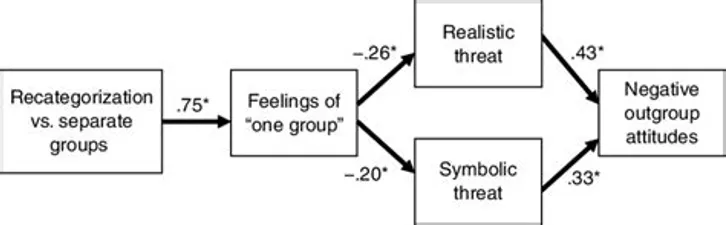







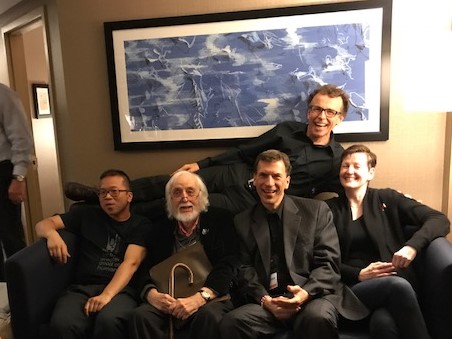


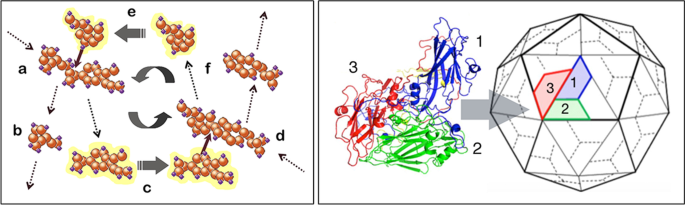
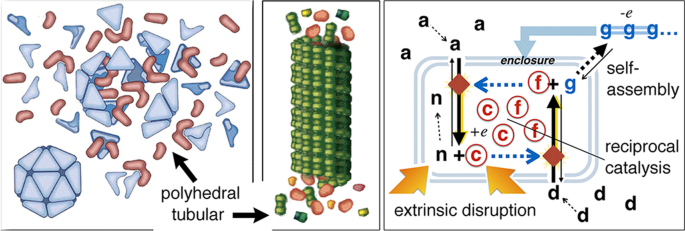
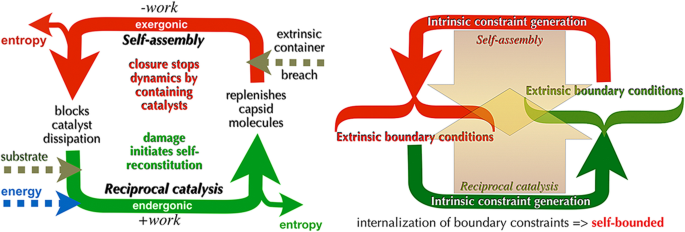
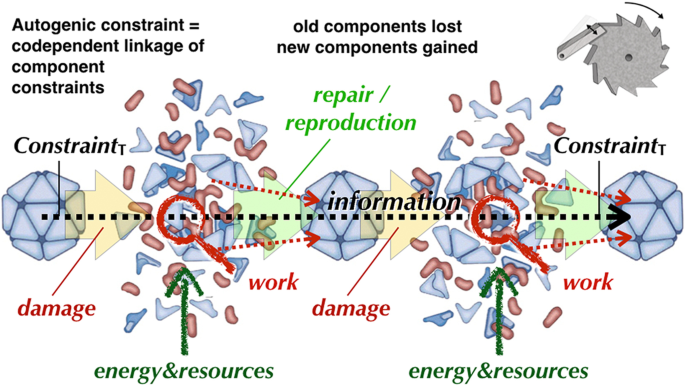
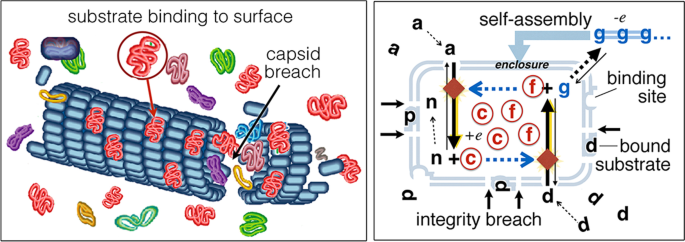
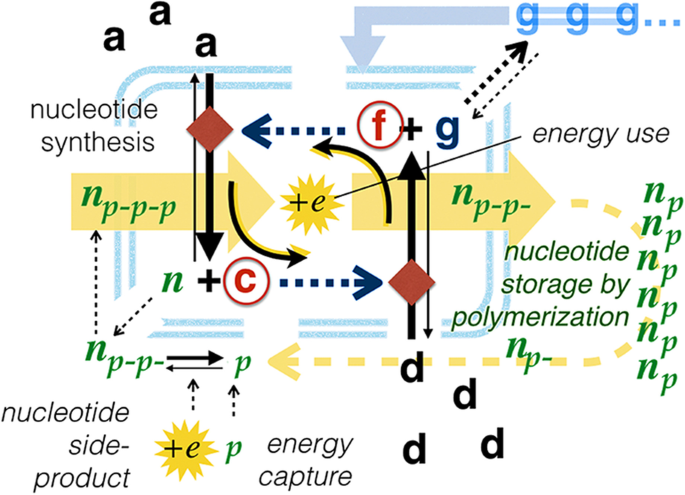
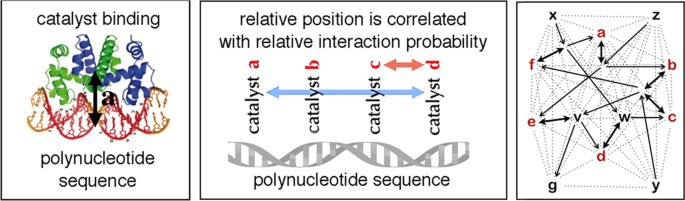
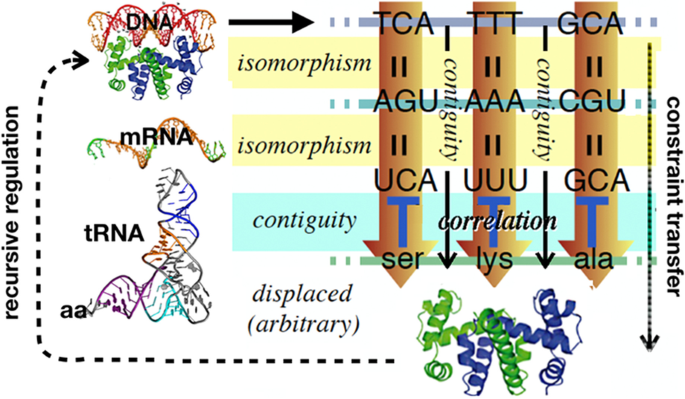
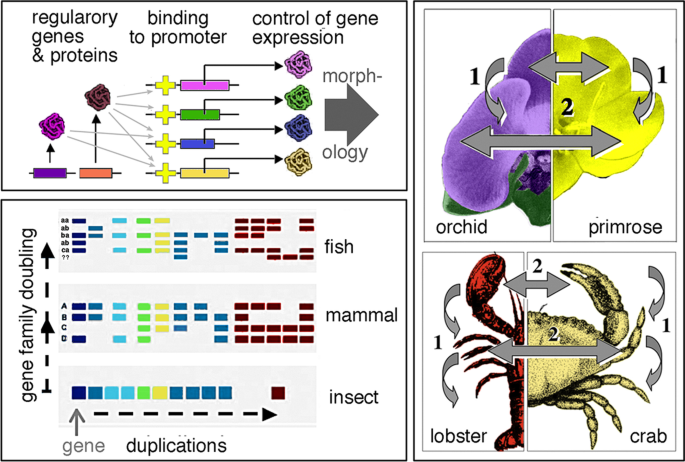



 Humanist Heritage Canada