The British Journal of Photography’s annual Ones to Watch issue is focused on celebrating the best emerging photography talent from across the globe. In the 2020 issue (#7898), 18 talented photographers have been selected from over 250 nominations by industry experts.
M’hammed Kilito caught our eye via an article written by Cat Lachowskyj titled Re-configuring the many perspectives of Morocco’s youth. In the article, Lachyowskyj quotes Kilito as stating that:
“I don’t want to suggest that everything is perfect in our countries, but it is our role to balance the narratives and show that we can photograph the humanist, courageous sides of our people as opposed to the sensationalist, orientalist views that we are accustomed to seeing.”
According to his website, Kilito is an independent Moroccan photographer based in Rabat, Morocco. He is represented internationally by Native Agency and is a co-founder and a photographer of KOZ collective. He holds a Master of Arts in Political Science from Ottawa University and a Bachelor of Arts in Political Science from the University of Montreal. As a documentary photographer, he addresses issues relating to cultural identity and the human condition in Morocco.
Image Courtesy of M’hammed Kilito
Lachowskyj is careful to provide Kilito’s anti-imperialist concerns in the article “There are so many photographers in the Global South working to transcend preconceived notions of what our countries look like in order to reconstruct that narrative. It is very important for me to enact a counter-discourse to what is usually shared in the media.”
Image courtesy of M’hammed Kilito
The very limited number of Kilito images available for study in BJP #7898 and on Kilito’s website display an overt preoccupation with the clothing and fashion of identity. Within the politics of 2020, it is extremely interesting and valuable to have the opportunity to consider the images not only within the narrative that Kilito appears to prefer but also within the context of a global history of humanism and humanist photography.
Regardless of where one’s thoughts may go in considering the political aspects of Kilito’s motivations – it is encouraging to see an emerging talent interested to photograph the humanist, courageous sides of our people.
The views, opinions and analyses expressed in the articles on Humanist Freedoms are those of the contributor(s) and do not necessarily reflect the views or opinions of the publishers.
A timely new book by Humanists UK President Alice Roberts and Chief Executive Andrew Copson is to offer universal lessons on finding meaning, purpose, and joy in our ever more uncertain world.
The Little Book of Humanism, published on 27 August, shares over two thousand years of humanist wisdom through an uplifting collection of illustrations, stories, quotes, and meditations on how to live an ethical and fulfilling life, grounded in reason and humanity. The book quotes everyone from ancient philosophers like Epicurus and Mencius, through to contemporary humanist sources of inspiration such as Frozen and The Good Place actor Kristen Bell, the novelists Zadie Smith and Margaret Atwood, and the playwright and poet Wole Soyinka.
It examines how humanity came to be, our unique place in the world, and why humanists reject religious explanations, before offering reflections on how to be good, how to live well, and how to think clearly. It emphasises the need to celebrate diversity and promote equality and why we should rely on science for the answers to many of life’s most important questions. Finally, it offers some particularly timely reflections on death and dealing with loss. It does all of this whilst drawing upon a cornucopia of humanist thought from many of the world’s greatest thinkers, accompanied by beautiful original illustrations.
Welcoming the publication of their book, authors Andrew Copson and Alice Roberts commented: ‘In the past, people were more likely to turn to religion during times of crisis than look to other sources of guidance. But there has always been an alternative – the humanist approach – and in today’s UK, where most people are now not religious, that alternative is more relevant than ever. We hope this book offers timely sources of guidance, comfort, and inspiration, in a way that has a positive and lasting impact on people’s lives.’
The book can be purchased from Waterstones, Amazon, Blackwell’s, and all good bookshops, with both hardback and eBook available at £7.99 RRP. It is published by Piatkus Books, an imprint of Little, Brown. Author royalties from the book go towards supporting the work of Humanists UK.
About the authors
Professor Alice Roberts is a writer, broadcaster, and President of Humanists UK. She is the bestselling author of eight popular science books including Evolution: The Human Story, The Incredible Unlikeliness of Being and Tamed: Ten Species that Changed Our World. Making her television debut on Time Team in 2001, she has become one of Britain’s best-known broadcasters and has written and presented a huge range of television series for BBC2, BBC4 and Channel 4, including The Incredible Human Journey, Origins of Us and Ice Age Giants, and several Horizon programmes. Her humanist ‘mini-sermons’ on Twitter have been liked and shared many thousands of times.
Andrew Copson is the Chief Executive of Humanists UK and President of Humanists International. He has provided a humanist voice on many television and radio programmes and written on humanism for publications including The Economist, New Statesman, Guardian, Prospect, The Times and Buzzfeed. With AC Grayling, he edited the Wiley Blackwell Handbook of Humanism and his most recent book is Secularism: A Very Short Introduction.
The views, opinions and analyses expressed in the articles on Humanist Freedoms are those of the contributor(s) and do not necessarily reflect the views or opinions of the publishers.
Over two months have now passed since my first commentary on the Covid –19 pandemic. And in that short time period, a lot has happened. When considering information and evidence regarding a novel new virus like Sars CoV – 2, we must constantly remember our knowledge limitations. And so it is always worth repeating and remembering what we might call Rumsfeld’s Rule:
“There are known knowns. There are things we know that we know. There are known unknowns. That is to say, there are things that we now know we don’t know. But there are also unknown unknowns. There are things we do not know we don’t know.”[1]
So at this point in time, what do we know, and what do we know we don’t know about this particular virus?
Name Origin:
In case you’re wondering, there are very specific reasons why this particular novel corona virus is called Covid – 19. According to the Center for Disease Control:
On February 11, 2020 the World Health Organization announced an official name for the disease that is causing the 2019 novel coronavirus outbreak, first identified in Wuhan China. The new name of this disease is coronavirus disease 2019, abbreviated as COVID-19. In COVID-19, ‘CO’ stands for ‘corona,’ ‘VI’ for ‘virus,’ and ‘D’ for disease.[2]
In April 16, 2020, Whitehouse counsellor, Kellyanne Conway said: “Some of the scientists and doctors say that there could be other strains later on, that this could come back in the fall in a limited way. This is COVID-19, not COVID-1, folks,” Conway said. “You would think that people charged with the World Health Organization facts and figures would be on top of that.”[3] In response to this startling statement of ignorance, Congressman Bobby Rush stated the following:
Dear Kellyanne, you seem to be confused, so let me break it down for you:
CO: Corona
VI: Virus
D: Disease
– : that’s a hyphen
19: 2019, the year the virus was discovered (no, there haven’t been 19 corona viruses).
President Trump, on the other hand, has called Covid-19 many different things from the China virus, to the Wuhan virus, and on June 24th:
President Donald Trump seemed confused about the origin of the “19” in COVID-19 during his rally in Phoenix on Tuesday night as he riffed on various names for the novel coronavirus. “I could give you 19 or 20 names for that, right,” Trump told the student attendees, who were gathered for a rally organized by Students for Trump. He went on to give several examples including “kung flu,” a racist term targeting China, where the virus was first identified, that perhaps received the loudest cheer from the crowd. He continued: “I said, ‘What’s the 19?’ COVID-19, some people can’t explain what the 19, give me, COVID-19, I said, ‘That’s an odd name.'”[5]
No, it’s not an odd name. It’s a perfectly rational, sane, and scientifically accurate term for a novel new virus. Enough said; moving on.
Origins:
From the World Health Organization (WHO) we find that the virus originally developed in Wuhan, China sometime in December, 2019 (perhaps earlier). In their findings, the WHO states the following:
While some of the earliest known cases had a link to a wholesale food market in Wuhan, some did not. Many of the initial patients were either stall owners, market employees, or regular visitors to this market. Environmental samples taken from this market in December 2019 tested positive for SARS-CoV-2, further suggesting that the market in Wuhan City was the source of this outbreak or played a role in the initial amplification of the outbreak. The market was closed on 1 January 2020.[6]
Since then, scientists have determined that the virus has an ecological origin in bat populations which rules out conspiracy theories that it was man-made or intentionally constructed in a laboratory.
Many researchers have been able to look at the genomic features of SARS-CoV-2 and have found that evidence does not support that SARS-CoV-2 is a laboratory construct. If it were a constructed virus, its genomic sequence would show a mix of known elements. This is not the case.[7]
Some readers will remember the Severe Acute Respiratory Syndrome (SARS) outbreak of 2003. This was another coronavirus called SARS-CoV-1, and it too, found its origins in bats. But these viruses did not directly infect humans from bats but first infected other animals.
For example, SARS-CoV-1 infected civet cats and then humans, while the virus causing the Middle East Respiratory Syndrome (MERS-CoV) is found in dromedary camels, and has continued to infect humans since 2012.[8]
Currently, scientists are not sure what animal the bats infected which then transmitted the SARS-CoV-2 virus to humans. Some have proposed that it may be pangolins. For those of you who may have seen the movie Contagion, you will recall that the novel new virus in the movie developed when a bat dropped an uneaten piece of fruit into a pig pen which was then consumed by a young pig which then infected a chef who was Patient Zero who then passed it on throughout much of the human population worldwide.
Ethical Dilemma 1:
For over two decades my colleagues and I have been contacting Chinese and Canadian politicians in an effort to stop or at least curb the way in which such ‘wet markets’ operate in China. Aside from the different types of animals which are being offered at these markets and the manner in which they are treated, we have tried to bring attention to the fact that the history of agriculture in general is the central reason why such viruses are transmitted to humans in the first place.
Aside: In case you’re wondering, it was due to our ancestral domestication of animals around ten thousand years ago that has led to all of our seasonal colds and flus. If we were still nomadic, the rate of such maladies would hardly exist. But once humans and animals are in close contact, the likelihood of novel new viruses crossing over into human populations increases dramatically. Because of our close proximities to domesticated and wild animals, we need to become far
Dr. Christopher DiCarlo
more conscious of what’s called ‘microbial ecology’ – that is, the relationships of multi-species pathogens at the very tiny level of causation i.e. at the level of bacteria and viruses. We must become ‘germ-aware’ not germ-a-phobic of how such pathogens arise and infect the human population. We are constantly in an arms race against mutating pathogens. And if we can understand them better and stay ahead of them, we win. Otherwise, the outcome can be catastrophic.
The ethical question that emerges from our understanding of the origin of this (and other) virus is whether or not one country has the right to tell another what they can and cannot eat – even if such practices pose world-wide catastrophic effects to other countries.
Controlling the Spread of the Disease
As we saw in my first paper, what makes the spread of this virus particularly difficult to contain is that a significantly large percentage of those infected with it, show no symptoms. This characteristic – the fact that carriers can be asymptomatic – is the single greatest reason we are all living under the conditions we now find ourselves.
We also noted that a global viral pandemic will always follow this exact pattern of reaction:
Testing, Isolation, Anti-virals, and Vaccine (or TIAV)
To return to our acronym – TIAV, let’s now look at each element in light of current information:
Testing:
Basically, there are two types of tests available for Covid19: Molecular and Antibody.
Molecular Tests are also called nucleic acid detection/amplification tests and are also known as genetic, RNA (recombinant nucleic acid), or PCR (polymerase chain reaction[9]) tests.
Antibody Tests – also known as serology (or blood) tests.
Molecular Tests:
In Molecular Testing, nucleic acid amplification (RNA) testing requires respiratory samples from the patient because SARS-CoV-2 is a respiratory virus. And so nasopharyngeal swabs are most commonly used. And for those who have had one, the swab is shoved way – way, up the nose. Just ask Drake: “But yo, that test is uncomfortable though, they put that Q-tip all the way inside your thoughts!”[10] Yes, Mr. Drake is quite right. In order to assure that a sample contains the virus, a swab must reach a person’s nasopharyngeal region (where your respiratory tract meets your throat). This is where the virus first attaches and begins replicating. So there might be some slight discomfort or, as Morpheus told Neo in The Matrix: “This might feel a little weird.” But then it’s over and you can wait a few days for your results.
The next part gets a little complicated:
Samples are then processed and tested for SARS-CoV-2 RNA. The test includes extraction of RNA from the patient specimen, conversion to DNA and PCR amplification with SARS-CoV-2-specific primers.[11]
This ‘nucleic acid amplification’ reveals whether or not a patient is actively infected with SARS-CoV-2 by detecting the presence of characteristic sequences of SARS-CoV-2 genetic material (RNA) in respiratory samples of patients.
Molecular tests can yield a false negative result if the level of viral RNA in a particular sample is too low for detection, and results can be skewed if steps are not taken to ensure that the tests are performing properly in the first place. The American Society for Microbiology has developed step-by-step verification procedures to help labs develop efficient and effective verification protocols for commercial EUA [Emergency Use Authorization] COVID-19 diagnostic tests. These procedures will help ensure that data is accurate.[12]
So if you have been tested for Covid-19, this is the type of test that will tell you if you are currently infected.
However, the antibody test is, in many ways, just as important because it informs scientists about who has been infected by the virus. This type of test allows us to better understand the extent to which a population has been infected.
Antibody Tests:
Antibodies are naturally occurring proteins produced by our immune systems which respond to various types of pathogens or infections. When pathogens (disease causing organisms) enter our bodies, antibodies attach themselves to antigens on their surfaces. When the antibody attaches to or ‘binds’ to an antigen, its sole purpose is to disable, stop, or ‘kill’ the pathogen through various means.
With antibody testing, scientists can determine if SARS-CoV-2-specific antigens are mixed with a person’s blood. If so, the two will bind to one another, resulting in a color change that marks the test positive. In this way, scientists can measure the amount of antibodies produced in response to the SARS-CoV-2 infection and does not test for the presence of the virus itself. Such a test, therefore, does not indicate if a person is currently infected – rather, it measures if they have been infected.
Important Findings and Caveats:
Antibody testing reveals if a patient has been exposed to the virus but does not tell whether an active infection occurred, or whether the antibodies produced are the kind that can prevent another infection. Furthermore, it does not reveal how long protective immunity to SARS-CoV-2 infection will last if developed. If we can determine those things, they will help inform decisions about the safety of returning to normal activities.[13]
There are several concerns regarding antibody testing. For example, such tests may yield a false negative result if the test is conducted too early and antibodies have not yet developed. As well, they can produce false positives if antibodies to coronaviruses other than COVID-19 are present (e.g., SARS-CoV and MERS-CoV). It is vitally important that such serology tests are carefully designed to determine specifically for the SARS-CoV-2 virus.
The value of such serological testing is to provide an understanding of the infection rates of the larger populations. This will assist in surveillance and tracking in an effort to control the spread of the virus.
Here is a good depiction of the two types of tests from the American Society for Microbiology:
Comparison of COVID-19 Molecular and Antibody Tests[14]
Currently, the number one problem with Molecular Tests which diagnose active Covid-19 infections is the time delay in getting results. When the tests first began in March, it took Ontarians up to five days to get their results. Since then, the time to receive results has improved but it still takes anywhere from 2-3 days. And this is problematic for a number of reasons.
First, there is considerable stress produced in waiting for the results while being barricaded away from family members somewhere in a home, apartment, etc. And second, people can be negative during a test, and then contract Covid-19 between the test time and the day they receive their results. If the test comes back negative, but they have since become infected, they may unknowingly infect others. We have to decrease the response time for Covid-19 testing. Luckily, there are plenty of companies working on this right now.
On the Government of Canada’s website page: ‘Testing devices for COVID-19: List of applications under evaluation’[15], states that there are 43 companies that have developed fast-resulting tests: 16 DNA and 27 Serological. But there is a problem. Before such tests can be used, they need to be examined and approved by Health Canada, the FDA, etc., for Emergency Use Authorization (EUA). So if you go to the website, you will find that the status for all 43 testing devices is largely “Under Review” (or “Awaiting Response from Manufacturer”).
To date, I have contacted 4 of the 16 companies working on DNA or diagnostic tests (3 Canadian, 1 UK): Spartan Bioscience, Precision Biomonitoring, Hyris Global Diagnostics, and the Centre for Biodiversity Genomics (CBD). Spartan Bioscience released their devices over a month ago, but they were recalled due to issues with their swabs and so will be re-releasing their revised units shortly. When I spoke with Federico Baldo (Business Developer) at Hyris Global Diagnostics, he said that they “…expect to be close to getting approved but unfortunately with these matters you can never know for sure.” He also added that he would be pleased to inform me when they received approval from Health Canada. And in speaking with the Director of the Centre for Biodiversity Genomics, Dr. Paul Hebert, I learned that his team has developed a rapid results-producing and inexpensive Covid-19 test. Currently, the average cost for a Covid-19 test is around $40.00/test. Dr. Hebert’s team can produce a better, faster test for $1.00/test. When I spoke to Dr. Hebert recently he told me that his team’s progress has been impeded by university regulations. When I first spoke with the CEO of Precision Biomonitoring, Dr. Mario Thomas told me that his company was simply waiting for approval from Health Canada which he then described as “imminent”. When I questioned him about the device’s accuracy, he stated: “We know our system works very well…in blind testing it had an accuracy rating of over 98%.” During the very last stages of revising this paper, Dr. Thomas contacted me to inform me that his company had received approval from Health Canada.[16] This is extremely encouraging news because, if successful, such devices could drastically reduce the number of infections within a given population. This is exactly the type of testing that is needed at this point in the pandemic. Let’s just hope there are many more such testing units produced to be massively distributed around the world and especially, to those places hardest hit.
Ethical Dilemma 2:
During a pandemic, when perhaps hundreds of thousands of lives are at stake, what should be the protocol for monitoring and considering new technologies? For example, what is the hold up with Health Canada? We all want to be assured that tests are accurate and reliable. But at the same time, we want to save lives. What is the ethical balance between the two? For every day delayed, thousands of lives are lost. But we can’t risk making the situation worse by rushing approval for devices that may be inaccurate.
In my next entry, I will definitely be contacting officials at Health Canada to learn more about their policies and procedures during a pandemic.
What is Still Needed: Rapid Response Testing
As I mentioned in Part I, the Holy Grail of testing for Covid-19 would be a fast and accurate home test that anyone could use. Right now, this doesn’t exist. But there are some companies working on making this a reality. For instance, in South Africa, Canary Health Technologies has produced a proto-type breathalyzer that is currently undergoing test trials.[17]
If such testing units were to become widely available for public/private use, this would be a game-changer in a significant way. Governments could ease travel restrictions considerably; people could meet in larger gatherings; sporting events could return to some semblance of normalcy, etc. However, at this point in time, such devices simply do not exist. And there is a big gamble in developing such testing units. If, for example, these units took longer to perfect than a vaccine, then a lot of money in research and development will be wasted. However, if a vaccine is months or even years away, then such a device would be extremely effective in easing quarantine or travel restrictions.
The single greatest need at this point in the pandemic continues to be rapid, accurate, testing capabilities. Otherwise, isolation alone, would once again become our greatest defense. However, not everyone seems to be onboard with the value of testing. On June 21, 2020, in a less-than-half filled auditorium in Tulsa, Oklahoma, the President of the United States, Donald Trump, said the following:
“When you do testing to that extent, you’re going to find more people, you’re going to find more cases,” Trump said. “So I said to my people, ‘Slow the testing down, please.’ They test and they test.”[18]
In what appears to be a direct flouting of consistency and logic, some members of Trump’s administration claimed it was said tongue-in-cheek while the President followed up by saying: “I don’t kid. Let me just tell you, let me make it clear.”[19] Whether or not he was kidding, it was a ridiculous thing to say and undermines what every health official in the world has been calling for: massive increases in testing.
By using Critical Thinking, we can now state that, as a conditional, if any company could produce millions of fast and accurate devices for use around the world, then it logically follows that we will be better enabled to determine positive and negative cases and track infection rates much more accurately. This, in turn, will allow for the greater mobility of human populations.
Isolation:
Although isolation restrictions have eased in various places around the world, cases continue to rise in places like the US, India, Brazil, and others. Ontario has recently entered Stage II of reopening[20] which allows various businesses to re-open, and gatherings of 10 people or less. Some believe this decision may be premature. Time will tell. What is important to consider at this point is how well people will remain vigilant in physical distancing and wearing masks.
In the US, a movement has begun which identifies the wearing of a mask as an impingement on human rights. As much as the Democrats and Republicans have been polarized on important issues, one more issue which has been added to the list is the wearing of masks for personal and public protection. Many on the left tend to side more with the expertise of scientists, public health doctors, etc., while many on the right tend to be somewhat suspicious of science and view the wearing of a mask as not only unnecessary but as a symbol of oppression. The evidence speaks for itself:
Though masks alone will not completely halt the spread of the virus, recent research has shown that wearing them is the most efficient way to stop its transmission. [Dr. Anthony] Fauci, at a recent talk, said everyone should wear a mask in public and it “should not be a political issue. It is purely a public health issue.”[21]
Although this again appears to be another case of autonomy vs. paternalism i.e. how much freedom should the public have vs. how much control should the government exercise over them, whatever one’s political stripe, remember: Nature always wins. And the greatest defense we have against this virus right now is, and always will be, scientific knowledge.
Ethical Dilemma 3:
With Stage 2 of the Province of Ontario’s ‘Reopening’, what are the legal and moral ramifications for employers asking their employees to return to work? We were all informed at the start of the pandemic that nobody would lose their job as a result of self-isolating at home. But now that travel and activity restrictions have eased, what happens if someone still feels uneasy about returning to work? What measures are being taken to assure their safety? According to the Ontario Government’s report: A Framework for Reopening our Province:
Keeping workplaces, employees and the general public safe as Ontario gradually reopens is essential for making the reopening of the province a success. That is why we are providing people, businesses and communities with the guidelines they need to prepare for Stage 2. The government and its health and safety association partners have released more than 100 health and safety guidance documents for multiple sectors, as well as a guidance document for essential workplaces. These documents, available at Ontario.ca/covidsafety, will cover businesses able to open in Stage 2. More guidance will be available as Ontario continues to move through the next stages of reopening and recovery. To reopen safely, employers must review the workplace health and safety guidance and ensure that appropriate measures are in place. Employers must also meet all existing occupational health and safety requirements.[22]
So these touch on the legal aspects regarding easing restrictions and gradually returning to work. But what about the moral/ethical considerations? What if someone is immuno-compromised? Or suffers from anxiety? Or simply doesn’t feel safe in such a workplace environment? What will be the new set of guidelines or policies and procedures for returning to work as we progress through the rest of this pandemic? Again, there are no easy answers, but just a few of the pressing questions we should start thinking about now.
By this point in the pandemic, I sincerely thought we would have had better, more rapid, and more accurate widespread testing available. I am disappointed that people continue to suffer and lives are being lost because we do not have these services up and running throughout the world. Hopefully, once Health Canada gives the ‘green light’ to some of the proposed testing devices, we can generate the much-needed testing at the facilities which require it the most: hospitals/clinics, retirement communities, prisons/penitentiaries, supply chains, food services, etc. Until then, unfortunately, all we can do is wait.
Anti-Virals:
In my last paper, I had mentioned several developments involving anti-viral medications. Since then, we have discovered that President Trump has been taking the anti-malarial drug: hydroxychloroquine as a prophylactic i.e. preventive measure, to avoid contracting Covid-19. Although studies have indicated that there is no evidence that such a drug has a preventative effect on this particular strain of the coronavirus, when asked why he was taking the drug (along with zinc), Mr. Trump responded with the apparent argument: “I’m not gonna get hurt by it…Here’s my evidence: ‘What do you have to lose?’” All of Mr. Trump’s evidence is based on a rhetorical question regarding harm. In other words, he’s making us infer his conclusion which is: “He has nothing to lose.” Not only is this a false premise, for he could possibly lose his life due to heart or other complications, it is simply a factually false statement. If there was an award for an argument’s failure to satisfy any and all logical criteria, Mr. Trump would be the grand master in this case.
Ethical Dilemma 4:
What if, based on Donald Trump’s beliefs and actions that hydroxychloroquine should be taken because people have “nothing to lose”, some of his followers copied his behaviour and became seriously ill or died? For example, if people believe that hydroxychloroquine[23] should be taken to ward off Covid-19 and as a result of side effects, die, should there be any legal or moral recourse against the President for spreading false and highly dangerous information? To consider this in some context, Trump’s actions were so stunning, that Fox’s own Neil Cavuto put out an Emergency Fox News Alert saying: “If you are in a risky population here, and you are taking this as a preventative treatment … it will kill you. I cannot stress enough. This will kill you.”[24] So if the President’s actions and/or advice e.g. injecting bleach or shining UV radiating into one’s body, harms another person, is he morally blamable? Legally culpable? Both? Neither?
Although there is no compelling evidence that hydroxychloroquine successfully prevents people from contracting the Covid-19 corona virus,[25] a recent major study in support of these findings was pulled from the leading science journal, The Lancet:
The online medical journal The Lancet has apologized to readers after retracting a study that said the anti-malarial drug hydroxychloroquine did not help to curb COVID-19 and might cause death in patients. The study was withdrawn because the company that provided data would not provide full access to the information for a third-party peer review, saying to do so would violate client agreements and confidentiality requirements, The Lancet said in a statement. “Based on this development, we can no longer vouch for the veracity of the primary data sources. Due to this unfortunate development, the authors request that the paper be retracted,” The Lancet said in a statement. The study was published May 22, with researchers from Brigham and Women’s Hospital in Boston using data and analysis provided by Surgisphere Corporation. The study was massive, with information coming from 671 hospitals around the world and the medical records of 96,000 patients.[26]
It was concluded in the study that researchers found that hydroxychloroquine not only didn’t help prevent or ease the effects of Covid-19, it actually caused heart problems and increased the likelihood of death. This led the WHO and other agencies to stop research into its efficacy.
Keep in mind that the results of the study are not in question; simply the protection of private information of those in the study has stopped third parties from confirming or falsifying the findings of the study. In science, this is the responsible thing to do; even if it raises doubts or questions regarding the truthfulness of the study.
There has, however, been some encouraging news in the development of antivirals. In the last paper, I mentioned that the drug, Remdesivir, had passed various randomized placebo controlled trials with 1090 test subjects which demonstrate “…a clear-cut significant, positive effect in diminishing the time to recovery”.[27] Since then, remdesivir has become a much-needed drug in reducing inflammation in patients suffering from Covid-19. Such a drug can reduce a patient’s time in ICU by up to five days and has quickly become a very popular drug world-wide; so popular, that Mr. Trump decided to buy up the world’s entire supply:
The US has bought up virtually all the stocks for the next three months of one of the two drugs proven to work against Covid-19, leaving none for the UK, Europe or most of the rest of the world. Experts and campaigners are alarmed both by the US unilateral action on remdesivir and the wider implications, for instance in the event of a vaccine becoming available. The Trump administration has already shown that it is prepared to outbid and out-manoeuvre all other countries to secure the medical supplies it needs for the US. “They’ve got access to most of the drug supply [of remdesivir], so there’s nothing for Europe,” said Dr. Andrew Hill, senior visiting research fellow at Liverpool University.[28]
The Trump administration has purchased more than 500,000 doses of remdesivir from the manufacturer Gilead, which accounts for all of their production for July and 90% of their production for August and September. The patent for the drug is held by Gilead which means that no other manufacturer in the world can produce it.
Ethical Dilemma 5:
During situations like pandemics, to what extent should a major drug manufacturer prioritize who should receive their product or sell to the highest bidder? It costs billions to develop medications. So why should a company lose money by fairly distributing its product when they stand to make far more money for their stakeholders? And is there any ethical obligation for lessoning restrictions on their patent of the drug so that it may be produced in other countries? On the one hand, a drug company is in business to make money. On the other hand, they are involved in a humanitarian enterprise. There are no easy answers or solutions but when one country buys up an entire supply of a life-saving drug to the exclusion of all other countries, it does trigger our ‘fairness detectors’ and makes us wonder if such an act is ethically justifiable.
At this point in time, we have seen another drug make its way into the antiviral arsenal and it’s called dexamethasone.
Dexamethasone, a cheap, widely-available steroid, is the latest drug touted by experts in the UK as a possible treatment for COVID-19, with evidence suggesting that it can successfully reduce deaths from the virus by up to one third in severely-ill patients. After researchers at the University of Oxford announced the headline results on Tuesday – with the full results to be released later this month – the British government immediately authorised its use in treating coronavirus patients. It’s not the first time during the coronavirus pandemic – which has killed 438,000 people worldwide – that a drug has been touted as a treatment for COVID-19, famously by the U.S. President Donald Trump, who controversially tweeted that he was taking the anti-malarial drug hydroxychloroquine. Interestingly, it was the same researchers at Oxford that proved hydroxychloroquine did not work that suggested that dexamethasone could.[29]
Although it is still fairly early in the pandemic, some scientists have said that this new treatment might be a game-changer in the treatment of those who have been most severely affected by the virus. By my next installment, we should know better as to the efficacy of this particular antiviral treatment.
Vaccines:
Since my first paper, there has been quite a bit of research and development of vaccines for Covid-19. Although the re is a rigorous 3-phase procedure for developing and testing vaccines, scientists and healthcare experts are confident that one will be ready within the next six months:
COVID-19 vaccine candidates will enter late-stage clinical studies by the end of the month, with others beginning in August, September and October, the U.S. government’s top infectious diseases expert said on Thursday. The news comes as Moderna Inc, which is at the forefront of the country’s vaccine development efforts, reiterated earlier in the day that a late-stage trial with 30,000 volunteers would begin this month. “We may be able to at least know whether we are dealing with a safe and effective vaccine by the early winter, late winter, (or) beginning of 2021,” Dr. Anthony Fauci, head of the National Institute of Allergy and Infectious Diseases, said in an interview to JAMA Network. Earlier on Thursday, Dr. Francis Collins, the director of the U.S. National Institutes of Health, said the Trump administration’s vaccine-acceleration program could generate a safe and effective COVID-19 vaccine by year-end.[30]
But developing a vaccine for such a novel new virus like SARS-CoV-2 is not an easy task. And it takes time. Because we now live in what I have been calling the Age of Immediacy where information and options are available in seconds, the world has gotten in the habit of expecting medical breakthroughs to function like Amazon i.e. same-day shipping. But scientific research does not work this way. It takes time because we want to do things properly and safely. I am not sure who the above-mentioned 30,000 volunteers will be. But I do know that there is already a movement underway which brings together volunteers who wish to sacrifice their own bodies in an effort to speed up the testing trials of new vaccines. Known as ‘1 Day Sooner’[31] the movement is comprised of volunteers who want to engage in what’s called Human Challenge Testing which bypasses current ethical standards and safety measures in order to help with the development of a new vaccine. They believe that if they can help develop a vaccine one day sooner than it normally would have been, they will have saved thousands of lives. It is indeed a noble movement. But it leads to some ethical considerations:
Ethical Dilemma 6:
Should people be allowed to offer their bodies as ‘guinea pigs’ to be subjected to vaccination trials for Covid-19? Such trials would involve the injection of vaccines and then the infection of the SARS-CoV-2 virus in an effort to determine efficacy. It raises questions again of paternalism vs. autonomy i.e. who has the right to say what people do with their own bodies? If I could sell some of my organs to make money in some parts of the world, why can’t I offer my body as a trial host to speed up the development of a new vaccine?
Although the WHO does not sanction the wishes of such 1 Day Sooner volunteers, it did make a statement saying that if such testing were to be allowed, subjects would have to be healthy, between the ages of 18 and 30, use a safe dose of the virus i.e. one which causes illness but not severe disease, and test in secure facilities to avoid infecting others. To date, there has been no official approval of such Human Challenge Testing because as the WHO notes, there is no “escape treatment” which could rescue any test subjects if they became severely infected i.e. no one yet knows what a “safe dose” of the virus is.
With 38 vaccine trials currently underway around the world[32], we have little choice but to wait and hope. Many experts in the field of immunology believe that it’s not so much a matter of ‘if’ but ‘when’ such a vaccine will be available but currently can give no definitive estimated time of arrival. In March, Dr. Anthony Fauci stated that it would take a year to 18 months before a vaccine was available. Although we may see one developed before then, Fauci and Dr. Francis Collins (Director of the National Institutes of Health) recently stated in the journal Science that perhaps multiple vaccines may be needed in order to inoculate billions of people worldwide.[33] We must also anticipate the possibility that even if a vaccine is developed and distributed worldwide, it is unlikely to be 100% effective. To put things into perspective the MMR (measles, mumps and rubella) vaccine is 97% effective in prevention and our seasonal flu shots come in at around 60% effective. Nonetheless, such a vaccine, combined with other protective measures e.g. physical distancing, mask-wearing, hand-washing, etc., should prove largely effective in defeating the virus throughout the world.
Recommendations – What Needs to be Done Now:
What the world needs right now is the development and distribution of hundreds of thousands of portable, fast, and accurate testing devices throughout the world – especially those countries most affected. Within our own province and country, all hospitals, retirement homes, police, ambulance, and fire stations, all supply side and food distributors and processors, migrant workers, borders, airports, bus stations, etc., must be equipped with such devices as soon as they become approved.
REMEMBER: This virus spreads largely because of people who are asymptomatic–which represents anywhere from around 20% to 50% of the population. And the only way to determine who has the virus is through proper testing. People who feel well, but are infected, run the risk of infecting hundreds of others. Until we have the appropriate number and types of testing devices in place, we have no choice but to rigorously practice physical distancing, isolation, and wearing masks.
Caveats:
I am deeply concerned that many countries around the world – especially in the northern hemisphere – are lifting isolation restrictions too much and too quickly. This will invariably lead to the spiking of cases in specific parts of the world. We are unfortunately seeing this occur in many states in America.[34] When the warm weather and sunshine of the summer arrives, many people are naturally drawn to the outdoors. Psychologically, we subconsciously think that the summer is not a time of the year to be sick. And we’ve heard that the Covid-19 virus doesn’t survive as well in warmer weather. Combine this with the fact that many people are facing what has been called ‘quarantine fatigue’[35] along with the recent #BLM protests, and you have the perfect storm of causalities which will, unfortunately, lead to a considerable spike in cases.
Ethical Dilemma 7:
With the recent death of George Floyd, many people around the world took to the streets to protest against black racism and injustice. While the world applauds the right to assembly and protest, we must also keep in mind that this (or any) virus doesn’t care about human rights. It doesn’t care about anything. It’s simply a small, replicating, machine which needs biological hosts to reproduce. No matter how noble our causes, SARS-CoV-2 doesn’t care one bit about our politics. And so we are left with another ethical consideration regarding the delicate balancing act of allowing massive assemblies of people vs. the avoidance of physical contact. Once again, this is another example of autonomy vs. paternalism. That is, we want people to be free to demonstrate their rights and to be able to assemble and protest. But in so doing, how many more lives might be lost due to the spreading of this virus? How do we balance the right to peaceful assembly with the various pandemic conditions placed on physical distancing?
Conclusion:
Let’s never forget that now, more than ever, it is time to use our prefrontal cortexes rather than our limbic systems. During these stressful and difficult times, we need to think critically, not emotionally, about our next steps. And we must be vigilant in using Critical Thinking and Ethical and Scientific Reasoning in meeting and resolving our challenges. For these are the systems of thought that will save lives and get us through this pandemic. Let us not forget this when we get to the other side.
[9] PCR is a laboratory technique which can make many copies of a specific segment of DNA. It is a very precise technique and can be used to amplify, or copy, a specific DNA target from a mixture of DNA molecules. This helps to determine if specific pathogens (like viruses) are present.
The views, opinions and analyses expressed in the articles on Humanist Freedoms are those of the contributor(s) and do not necessarily reflect the views or opinions of the publishers.
Tom Rand is on carbon mitigation venture capitalist, business-owner, author and speaker. He is Managing Partner of ArcTern Ventures and sits on the board of a number of clean energy companies and organizations. He also developed Planet Traveler, a low-carbon hotel project in downtown Toronto. His first book Kick the Fossil Fuel Habit (2010) was winner of the 2011 Whitepine Non-Fiction award; his second – Waking the Frog – became a bestseller in Spring 2014; his third – Climate Capitalism: Economic Solutions for a Planet in Crisis is out now.
And yeah, it is worth reading.
Particularly as federal elections in both Canada and the United States seem to be rapidly approaching. And particularly if you could benefit from a pragmatic, mostly-positive and capable exposition of the economics and politics of carbon pricing. It is in the title, after all – Climate Capitalism.
First, – about pragmatism. It is rare to see the word so fondly,
deliberately and repeatedly used in books dealing with climate change, economics or politics. Perhaps it should not be a surprise since Rand holds a BSc in electrical engineering (U of Waterloo), an MSc in philosophy of science (University of London and LSE) and an MA and PhD in philosophy (U of Toronto). Rand is, no doubt, fully up-to-speed regarding the origins of pragmatism with Charles Sanders Peirce and all that this origin implies.
Indeed, Rand seems to be fully up-to-speed on all areas of the book: economics, climate science, politics, business ownership and being a thinking human faced with a planet with finite resources and a seriously-damaged environment. In the preface, Rand, a new father, states, “The prospect of hitting catastrophic tipping points in the next few decades bring more than sleepless nights – it makes having a kid a complex moral question. First, there’s the issue of bringing yet another person to our profligate emissions party. It’s uncomfortable (to put it mildly) to say climate change is as much a population issue as an environmental one. Having kids is no longer as morally benign – or even good – as it was in previous generations.“
Rand’s thesis is that carbon pricing is a good thing. That the planet needs it. And even if – all of us from economists and politicians and from billionaires to minimum-wage earners – we manage to take the pragmatic step of implementing sensible carbon pricing strategies, humans are still in for some tough environmental situations in the future. That sounds a bit glum – but the book’s subtitle is Economic Solutions for a Planet in Crisis. Rand delivers information that can be put to use now and in the near-future. Overall, Rand’s 200+ page book comes across as having an appropriate attitude.
Not coincidentally, having the an appropriate attitude is a perspective that Rand seems to want to recommend. Addressing climate change, and we might emphasize global population issues, are an issue of attitude. Rand’s book approaches the topic with a pragmatic, solutions-oriented and appropriate attitude. Rand says that climate capitalism is “about coordinating an accelerated response across the globe. How we might move from the level of independent (often bickering) sovereign political entities to something larger…” Note that Rand includes individuals in his consideration of “sovereign political entities” and sovereignty which he defines as making one’s own rules in one’s own interests.
Recommended Soundtrack for this post and reading Tom Rand’s The Case For Climate Capitalism.
Wondering about politicians who may be open to investigating solutions to a planet in crisis? Have a look at our page on Andrew West – one of several contenders for the leadership of the Green Party of Canada in 2020.
The views, opinions and analyses expressed in the articles on Humanist Freedoms are those of the contributor(s) and do not necessarily reflect the views or opinions of the publishers.
Looking for a bit of humanism with a punk-rock beat? Maybe feeling a bit nostalgic for a decade when global adjustments to avert climate change was still a real (if ignored) possibility? Or just curious to observe one of the many ways that humanism finds its way into global culture. Whichever it may be, we got you covered on this one.
On August 6, 2020, Los Angeles punk rock band Bad Religion released a new version of their 1990 song Faith Alone. The new version feels more thoroughly produced than the original with very present piano and strings as compared to the punky, drums-and-guitars driven original. Greg Gaffin’s lyrics are very consistent, though perhaps a bit more wistful in the new setting.
The release of this memory-lane ditty seems to correspond to another Bad Religion release in the form of a biography of the band titled Do What You Want: The Story of Bad Religion. The book carries author credits jointly to Jim Ruland and Bad Religion. Perhaps this is all part of some kind of Bad Religion Revival. Pun(s) intended.
Or it may simply be in our nature to reflect on the past to help comprehend the present. According to Gaffin, “I think the message of ‘Faith Alone’ really resonates with everything that’s happening right now. Racial injustice, Trump, the COVID pandemic, the rejection of science, none of these things can be solved by burying our heads in the sand. We’ve always believed problems can be solved through reason and action, not faith and prayer. It’s what we’ve been writing about since the band started.” Ironically or not, Bad Religion’s 2019 album was titled Age of Unreason.
Faith Alone (the lyrics by Greg Gaffin)
Heard a sermon from a creaky pulpit with no one in the nave I paid a visit to the synagogue and I left there feeling blame No one could tell me what to do, they had not the capacity to answer me
What the world needs now is some answers to our problems We can’t buy more time ’cause our tender isn’t valid If your soul needs love you can get consoled by pity But it looks as though faith alone won’t sustain us no more
Watched the scientists throw up their hands conceding, “progress will resolve it all” Saw the manufacturers of earth’s debris ignore another green peace call No one could tell me what to do, no one had the ability to answer me
What the world needs now is some accountability We can’t buy more time ’cause time won’t accept our money If your soul needs love you can always have my pity But it looks as though faith alone won’t sustain us no more…
What the world needs now is some answers to our problems We can’t buy more time ’cause our tender isn’t valid What the world needs now is some accountability If your soul needs love you can get consoled by pity But faith alone won’t sustain us anymore Faith alone won’t sustain us anymore
The views, opinions and analyses expressed in the articles on Humanist Freedoms are those of the contributor(s) and do not necessarily reflect the views or opinions of the publishers.
Featured Photo Courtesy of riotfest.org
Version History: This article was originally published on August 18, 2020
According to Humanists International’s campaign website, Mubarak Bala, President of the Humanist Association of Nigeria, was arrested on April 28, 2020 following allegations that he insulted Islam’s Prophet Muhammad on social media. Bala’s current arrest is not his first experience of systemic faith-based oppression. In 2014, Bala was detained on the grounds that he was an atheist.
In his letter, Soyinka wrote, “As a child I remember living in a state of harmonious coexistence all but forgotten in the Nigeria of today, as the plague of religious extremism has encroached.” Throughout Soyinka’s life, he has been a leading voice opposing injustice and corruption in Nigerian Society. Following a military coup in 1966, Soyinka sought to avert a Nigerian civil war. This attempt to work toward peace resulted in Soyinka’s imprisonment for 22 months.
Soyinka continued in his letter to Mubarak, “When I accepted the International Humanist Award at the World Humanist Congress in 2014, I spoke of the conflict between Humanists and Religionists; one of enlightenment versus the chains of enslavement. Your arbitrary incommunicado detention over the last 100 days is the cruel reality of this conflict. All too often these chains of enslavement lead directly to the gallows or a prison cell.“
Harassment, imprisonment and other forms of violence and oppression by authoritarian ideological regimes is both an ancient and a contemporary theme. In recent years, one need only recall the cases of Raif Badawi, Noreen “Asia” Bibi, Avijit Roy and a long-list of others from nations around the world to recall that freedom of expression may be contained in the Universal Declaration of Human Rights, but it is far from universally protected.
Mubarak’s legal team claims that they have been unable to access Mubarak and have asked Nigerian authorities to clarify where he’s being held.
Mubarak Bala
Humanists International has stated that their perspective that Bala is being targeted solely for exercising his rights of freedom of belief and freedom of expression, as contained in international and regional instruments to which Nigeria is a signatory as well as enshrined in the Nigerian Constitution.
Despite the modest media attention that Mubarak Bala’s case has created and may continue to receive, the plight of a Nigerian humanist and human rights activist is still quite far from the attention or concern for those who may currently be living in ideologically comfortable settings. Perhaps letting this situation slip one’s notice is a dangerous apathy. We may not be so very far removed from extreme embodiments of ideological cancel cultures as we would like to think.
Signing Humanists International’s statement regarding Mubarak Bala could be an excellent place to show support for global freedom of expression and opposition to all forms of ideological oppression.
The views, opinions and analyses expressed in the articles on Humanist Freedoms are those of the contributor(s) and do not necessarily reflect the views or opinions of the publishers.
Featured Photo Courtesy ofHumanists International.
Version History: This article was originally published on August 8, 2020 and was updated on August 9, 2020.
Lydia Denworth is a Brooklyn-based science journalist whose work is supported by the Alfred P. Sloan Foundation. A contributing writer for Scientific American and Psychology Today, she has also written for the Atlantic and the New York Times.
Friendship: The Evolution, Biology and Extraordinary Power of Life’s Fundamental Bond was published by WW Norton & Company in 2020. Just under 300 pages in the hardcover, it fits snugly in the contemporary genre of popular science journalism. Denworth’s tone, like the book itself, is neither too-heavy nor too light.
The book’s introduction is titled “A New Science” – setting up Denworth’s stance for the book. Denworth asserts that science has, until recently, mostly ignored the question of friendship’s purpose. The book, Denworth states, is intended to “consider the visible and the invisible aspects of friendship.“
As is typical of popular science journalism, Denworth spends considerable time recounting the stories of scientists past and present and the studies that they’ve undertaken. That should not be taken as a criticism but as a compliment as the stories of researchers ought to be more-widely shared and discussed. Heroes are, after all built in the telling. In the first chapter of the book, titled “Fierce Attachment”, Denworth suggests that the new science of studying friendship was seeded in 1954 with the meeting of John Bowlby and Robert Hinde when they spoke at a meeting of the Royal Medico-Psychological Association. From the humanistfreedoms.com perspective – this is an excellent place to begin. Bowlby was an ethologist (ethology is the study of animal behaviour) whose final work (published posthumously) was a biography of Charles Darwin. Hinde was a developmental psychologist and zoologist who counted Jane Goodall as one of his students. Hinde had written that “‘it does not matter too much what you believe, for many different cultural beliefs bring meaning to believers’ lives (though differences in religious beliefs can lead to horrendous conflict). But what does matter is how people behave.”
Whether by intention or not, the influence of developmental psychology (and thereby the above-noted protagonists) is present throughout the book. The book’s chapters tend to progress through the developmental stages of life from newborns and infants early on to older adults at the back of the book. In the second chapter, Denworth introduces new work being completed to study the brains of babies and infants using fNIRS ( functional near-infrared spectroscopy) explaining that this technology uses light to study brain activity in people too young and sensitive to bombard in an MRI machine. Denworth’s exposure to this work leads her to the conclusion that human “experience matters on the order of minutes, not months.”
In the third chapter, Denworth explores the influence of friendship on health. In the healthcare setting, this concept may often be identified as social determinants of health and is an area that continues to see increased attention, particularly in elder care. Social determinants of health include a person’s social networks and engagement but there are humanist-oriented initiatives to widen that to consider the delivery of health-care itself. Consider The Gold Foundation’s Tell Me More program which attempts to build better connections and bonds between healthcare providers and their patients. Stated more simply – growing friendship between providers and patients.
The middle chapters deal with issues of youth and early adulthood. There’s a chapter titled “Middle School is about Lunch” and another “Digital Friendship”. Each chapter explores recent studies of friendship relevant to the stage of life. Chapter Five, “A Deep Wish for Friendship” includes noteworthy observations of primatology and animal friendship which acts as an interesting challenge to concepts of human exceptionalism. Yes, animals do have the capacity of friendship.
In the sixth chapter, “Digital Friendship”, Denworth reviews the work of “an affable Canadian who runs the Social Media Lab at Stanford“, Jeff Hancock. Hancock completed a meta-analysis of the effects of social media on measures of well-being from 226 papers over 12 years. Without giving away the plot, Hancock’s analysis resulted in six categories of effect: depression, anxiety, loneliness, eudemonic happiness, relationships and the delightfully final category of hedonic happiness (happiness of the moment).
Borrowing from Hancock’s categories, reading Friendship: The Evolution, Biology and Extraordinary Power of Life’s Fundamental Bond was a genuine hedonic happiness of its own. It is a reminder that friendship (and so many other experiences in a human life ) does not need to be a mystery. “Our social lives have a backstory,” Denworth writes, “and it’s time that story was told.”
The views, opinions and analyses expressed in the articles on Humanist Freedoms are those of the contributor(s) and do not necessarily reflect the views or opinions of the publishers.
On July 14, 2020, the Psychology Today website featured an article by Michael Friedman, Ph.D. announcing a new podcast entitled Hardcore Humanism. Friedman states in the announcement: Each week, we will be celebrating, talking with, and learning from an outside-the-box thinker—musicians, artists, writers, activists, and entrepreneurs who challenged conventional norms, discovered their life’s purpose and dared to put that purpose into action.
As an interview-based podcast, it appears to support a particular variety of humanistic psychology as conceived by Dr. Friedman. At humanistfreedoms.com we are interested to explore forms of applied humanism – the ways that people use humanism as a starting point for engaging with life and all of its challenges and joys.The Hardcore Humanism Podcast is an example that we’ll be checking-in on from time to time.
You can find the Hardcore Humanism podcast/website at: https://www.hardcorehumanism.com/. According to the site, hardcore humanism is a life philosophy, therapeutic modality and life coaching program that brings together the compassionate holistic approach of humanistic psychology with the scientific rigor of behavioral therapy. Humanistic psychology promotes unconditional positive regard – a basic belief that all people are good and have value – as they strive to achieve their life’s purpose and best self.
With Hardcore Humanism, the Humanistic approach is optimized to include the hardcore work ethic and science-based approach of behavioral therapy. In other words, Hardcore Humanism means not only understanding and accepting yourself but also working in a methodical way to achieve your purpose and find fulfillment.
Hardcore Humanism was developed in part from Humanistic approaches to psychology and psychotherapy. While Hardcore Humanism overlaps with other forms of Humanism, e.g. Ethical Humanism, in our belief in the fundamental value and goodness of human beings and their ability to shape their own lives, Hardcore Humanism does not take a stance on the role of religion or spirituality in one’s life.
The views, opinions and analyses expressed in the articles on Humanist Freedoms are those of the contributor(s) and do not necessarily reflect the views or opinions of the publishers.
When I was a schoolboy in British Columbia we began our day by reciting the Lord’s Prayer. I accepted this small duty as a normal ritual of the classroom. Then, two things happened. First, I asked one of my classmates to give me some evidence for the truth of stories in the Bible. He insisted they were true, but could offer no support for their veracity. Second, two members of the Jehovah’s Witnesses sect arrived at my home one Friday after school. I was home alone. These emissaries had a powerful story and I was willing to hear it.
Over the weekend, I plunged into the literature they had given me. I was caught up in the exhilarating evangelism that Jesus Christ supposedly taught and that his apostles practiced. On Monday, I returned home from school anxious to resume my religious reading. Perhaps five or six hours of secular boyhood, or an instinctive scepticism about most of what my elders told me, brought everything into focus. I came to the jolting decision that all I’d been told or read over the weekend was not believable.
Photo of Ray at Bishopsgate courtesy Ray Argyle.
Later, as I examined more closely religious practices around the world I also learned about Secularism, a practical system that fulfills the idea of separation of church and state by removing religious control of public institutions – the schools, courts, government, and all public endeavours.
While growing numbers in Western countries are content to live outside the church, most people of faith also support Secularism for its contribution to social order and its hands off attitude toward religion. But Secularism’s future, like the struggle to achieve it, is subject to the dynamics of public opinion and the pressures of social change. The most relentless opposition to Secularism stems from the polar opposites of Christian evangelism and Islamic extremism, one seeking to restore religious values to the public realm, the other engaged in terrorism to advance its interests. Mix these conflicting ingredients and the result is a contest of which no one can predict the outcome.
George Jacob Holyoake, a radical English social reformer and atheist, invented the word Secularism in 1851, propagandized its message, and struggled to raise the moral standards and material conditions of his countrymen. Yet for some unknowable reason, Holyoake has virtually vanished from history, unheard of by the public. There is no mention of his name in one of the most eminent of books on Secularism, Charles Taylor’s A Secular Age.
In order to bring Holyoake the recognition he deserves, I have written his first modern biography: INVENTING SECULARISM: The Radical Life of George Jacob Holyoake. It will be published in Spring 2021 by McFarland & Co., USA.
George Jacob Holyoake was born in Birmingham, England in 1817 and died in Brighton, England in 1906. Notwithstanding his origins in the nineteenth century, Holyoake was a man for the modern age. His vision encompassed ideals of social justice that would become universally accepted nearly two hundred years after he first expressed them. Through a long, controversial, and conflict-filled life, marked by as many mistakes as triumphs, he was in the vanguard of almost every struggle to improve the lives of ordinary people – public education, the co-operative movement, freedom of the press, trade unions, women’s rights, and universal suffrage. He was hailed after his death as “one of the men who fought for and won for Englishmen that freedom of speech which we take as a matter of course today.” For a man largely neglected in popular history, he played a transformative role in the evolution of modern life and the rise of democratic rule in Britain and the West.
Holyoake came to the idea of Secularism after enduring hardship, persecution, and imprisonment as a social missionary for capitalist turned reformer Robert Owen and his Socialist utopian movement, the Society of Rational Religionists. After a Christian upbringing, George Holyoake fell into atheism with the imprisonment of a friend for blasphemy and his own arrest for a speech in which he declared he no longer believed in such a thing as a God. Convicted of blasphemy, Holyoake reflected on the conditions of English life during his six months in the Gloucester County Gaol. He came out convinced of the need for a new social order that would release the individual from the grasp of enforced religious doctrine.
Upwards of one hundred countries now affirm support for Secularism. The United States has functioned as a largely secular state despite a continuing presence of religiosity in its public life; the United Kingdom, secular in many respects, retains an established church with appointed bishops in its House of Lords, religious schools, and a monarch who is head of both the church and the state.
Canada, nominally secular, recognizes “the supremacy of God” in its constitution and provides public funding for Roman Catholic schools. Quebec’s bans on the wearing of hijabs by public sector workers in positions of authority may go too far, in the opinion of many. British-controlled India adopted Secularism for its promise of harmony between Hindus and Muslims, a hope that has receded under the long-reigning Modi government.
Religious belief is in free fall everywhere in the West. People of no religion (the ‘nones’) account for 52 per cent of the population of England and Wales, and one-quarter of the population of the United States and Canada. Only 12 per cent of Britons are affiliated with the Church of England, down from 40 per cent in 1983. France is on the verge of becoming majority secularist, along with the Netherlands, New Zealand, and Australia. China pays lip service to Secularism but uses its atheist ethos to oversee its Christian citizenry and oppress its Muslim minority.
In contrast to these trends, Secularism finds itself in a state of siege in many countries. Christian evangelists in the United States are pushing to have their religious ideas enacted into public policy in fields as diverse as health, education, foreign aid, and law. President Trump‘s attorney general has openly declared war on Secularism and hundreds of millions of dollars of COVID aid have been transferred to churches, in violation of the U.S. Constitution. In Turkey, long the most secular Muslim country, the famed Hagia Sophia, a museum since 1935, was recently reestablished as a mosque. Three states that were once secular – Iran, Iraq, and Afghanistan – have enshrined Islam as their official religion.
Meanwhile, Islamic fundamentalism uses the blunt force of terrorism to attack rival faiths and the infidel idea of Secularism. Secular states must respond to the pressures of twenty-first century migrations and the accommodation of non-secular traditions.
George Holyoake looked beyond his own time, confident that “Secularist principles involve for mankind a future.” It would be a future of moral as well as material good, offering an infinite diversity of intellect with equality among humanity, and “all things – noble society, the treasures of art, and the riches of the world – to be had in common.” His was a vision of a Secularism that rises above sectarian differences or economic rivalries, and places universal opportunity, and individual freedom, in the hands of all who inhabit our rich and beautiful – but endangered – planet Earth. It is not too late for us to fulfill his vision.
Journalist, consultant, author and inveterate traveler — that sums up the busy life of Ray Argyle. He shows no signs of slowing down. Ray has worked as a journalist, publishing executive, and communications consultant. He’s the author of five biographies, two political histories, a memoir, and a novel of Victorian Canada.
Ray was born in Manitoba and educated in British Columbia. He pursued a career in journalism, working for newspapers, a wire service, and a radio station. He founded Argyle Communications Inc., a communications consulting firm, now merged with the Environics Group. Ray has served as a member of the Board of Trustees of the McMichael Canadian Art Collection, Kleinburg, Ont., and the Scarborough (Toronto) Board of Education. He is the only Canadian to have been elected a Fellow of the International Public Relations Association. He received the Queen Elizabeth II Diamond Jubilee Medal in recognition of his “contributions to Canadian life.” More at www.rayargyle.com
The views, opinions and analyses expressed in the articles on Humanist Freedoms are those of the contributor(s) and do not necessarily reflect the views or opinions of the publishers.
Featured Photo Courtesy of Ray Argyle: Portrait of George Holyoake by Sarah Watson.
This article first appeared on www.nationalnewswatch.com on July 1, 2020 and is re-published with permission of the author.
The reason why #BlackLivesMatter exists, or the civil rights movement needed to take place, or the Underground Railroad was created, or for that matter, why racism in all of its forms has ever existed, is because billions of people have failed to learn and then teach the truth regarding the common descent of all human beings.
The truth, simply put, is this: We are all African. The scientific evidence for this claim is overwhelming. The evolutionary sciences have unequivocally demonstrated that every human on this planet descended from common ancestors in Africa. If you want proof – and I would expect that you would demand it – there’s an overwhelming amount of it.[1]
The truth of the fact that we are all indeed, African, is not open for choice; it is simply a scientific fact regarding the common ancestry of our human origins. If other beliefs, or feelings, or systems of belief stand in the way of accepting this scientific fact – whether they be religiously motivated or not – we need to recognize that such biases should have no direct affect regarding the fact that every human who has ever existed is related.
In 2005, I was fired from an Ontario university largely for teaching: “We are all African.” I had no idea those four words could get me in so much hot water in the academic communities. But they did. And they shouldn’t have. And it is because of the failings of our education systems at all levels, that the average person does not even know that we are, indeed, all African and hence, related. If we had taught critical thinking skills from kindergarten to grade 12, through all colleges and universities, and made it accessible to all businesses and professions, we would all know and accept this fact.
But we don’t teach critical thinking at these levels; and hence, here we are witnessing protests that need not happen had we all been better educated; for inherent within the critical thinking skill set is the understanding and application of scientific reasoning. Through the use of scientific reasoning, anyone can accept our African heritage as a fact. This, in turn, can allow us to better understand why racism is an extension of evolutionary traits involving xenophobia. The term xenophobia means ‘fear of foreignness or foreigners’. In biology, this translates to “better safe than sorry”. It creates a level of discrimination between species as to which other species might be considered predators or in any way harmful or detrimental to their survival and reproductive abilities. However, humans evolved with an emergent consciousness which allows us to better understand and function within complex social systems. Once levels of familiarity are reached between our species, the level of xenophobia or fear becomes reduced, and a peaceful level of cohabitation can occur. As a member of the mammalian animal species, humans have been naturally xenophobic and have been evolving from our primate ancestors for millions of years. Over that time, our conscious capacities have allowed us to move beyond basic survival strategies to develop complex societies. But again, to know this, requires humanity to be educated in the evolutionary sciences and to accept that we are the last surviving hominid lineage that originated in Africa and over tens of thousands of years, have populated this entire planet.
And now the hard part: Are we ready to accept these facts globally (or even nationally) and, as a consequence, understand their entailments?
For if we can accept our common heritage, then it becomes obvious that what we call ‘racism’ is not only a misnomer – for no races actually exist between humans – but that discrimination against any human on the basis of their physical or phenotypic traits is irrelevant in our attitudes and treatment of them. This is the type of information the entire world needs to know, understand, and accept. For if we can accept this information as true, then it reduces considerably the logic, the actuation, and the perpetuation of inequitable treatment based on such physical traits.
Can we all accept that every human on this planet is related and that all of our ancestors originally lived in Africa?
For if we can all accept this as true, then maybe it will become just a little more difficult to hate, to hurt, and to discriminate. Our education systems are failing us on a number of levels. But we can change this; and in so doing, we will deal far better with issues like racism because our youth will be far better informed.
If you want a better world – teach critical thinking.
Christopher DiCarlo is a philosopher, educator, and author. He often teaches in the Faculty of Philosophy at the University of Toronto (in Scarborough) and the Life Institute at Ryerson University in Toronto. He is also a lifetime member of Humanist Canada and an Expert Advisor for the Centre for Inquiry Canada.
Citations and References
Barnett, Bronwyn. 2003. ‘Genetics may help solve mysteries of human evolution’, in Stanford News Service, February 19.
Bar-Yosef, Ofer and Pilbeam, David eds. 2000. The Geography of Neandertals and Modern Humans in Europe and the Greater Mediterranean, Peabody Museum Bulletin 8, Harvard University, Cambridge, MA.
Bar-Yosef, Ofer, and Bernard Vandermeersch. 1993. Modern Humans in the Leviant. Scientific American, April, p. 64.
Dawkins, Richard. 1976. The Selfish Gene. Oxford: Oxford University Press. (See also revised ed., Dawkins 1989).
Deacon, Terrence W. 1997. The Symbolic Species: The Co-evolution of Language and the Brain, W.W. Norton and Co. New York.
de Waal, Franz. 2001. Tree of Origin: What Primate Behavior Can Tell Us about Human Social Evolution, Harvard University Press,
de Waal, Franz. 2000. Chimpanzee Politics: Power and Sex among Apes. Baltimore: Johns Hopkins University Press.
DiCarlo, Christopher, 2010. “We are all African: Can Scientific Proof of our Commonality Save Us?” in Free Inquiry Vol. 30 No. 4 June/July 18-22.
2006 “We are all African: Four Words that can Change the World” in SIRS Enduring Issues: an eight-volume reference collection of the best articles and graphics of the year. A request for reprint from Proquest Information and Learning: the leading provider of microform and electronic information to school, academic, public, and government libraries around the world.
2006 “We are all African: Four Words that can Change the World” in Humanist Perspectives, Issue 156, Spring.
2004 “On the Naturalistic Fallacy: A Conceptual Basis for Evolutionary Ethics”, co-authored with John Teehan. Evolutionary Psychology: An International Journal of Evolutionary Approaches to Psychology and Behavior 2: 32-46, March.
2000 Critical Notice of Anthony O’Hear’s Beyond Evolution: Human Nature and the Limits of Evolutionary Explanation. Biology and Philosophy, Vol. 16, No. 1, 117-130.
2000 Abstract: “The Influence of Selection Pressures and Secondary Epigenetic Rules on the Cognitive Development of Specific Forms of Reasoning” in The Journal of Consciousness Studies: Consciousness Research Abstracts.
Dunbar, Robin. 1998. Grooming, Gossip and Language, Harvard University Press, Cambridge, MA.
Leakey, Richard. 1994. The Origin of Humankind, Basic Books, New York.
Lieberman, P. 1975. On the Origins of Language: An Introduction into the Evolution of Human Speech, New York: Macmillan.
1984.The Biology and Evolution of Language, Cambridge, MA: Harvard University Press.
Lumsden, Charles L and Wilson, E.O. 1981. Genes, Mind and Culture by, Harvard University Press, Cambridge, MA.
Mithen, Steven. 1999. The Prehistory of the Mind. Thames and Hudson, London, UK.
Mithen, Steven. 2003. After the Ice: A Global Human History, 20,000-5,000 BC. Weidenfield and Nicolson, London, UK.
Ruse, Michael. 1998. Taking Darwin Seriously, Prometheus Books, Amherst, NY.
Sakai K, Passingham RE (2006) Prefrontal set activity predicts rule-specific neural activity during subsequent cognitive performance. J.Neurosci. 26, 1211-1218.
Tattersall, Ian. 2003a. ‘Once We Were Not Alone’, in Scientific American: New Look at Human Evolution, June: 20-27.
2003b ‘Out of Africa Again…and Again?’ in Scientific American: New Look at Human Evolution, June,: 38-45.
Becoming Human : Evolution and Human Uniqueness,
‘The Mind’s Big Bang’. 2002. From the series Evolution, WGBH: Boston.
Vincent, J.D. 1990. The Biology of Emotions. Cambridge, MA: Basil Blackwell.
Whiten, Andrew. ‘Social Complexity and Social Intelligence’ in Novartis Found Symp. 2000, 233:185-96.
Wilson, David Sloan. 2002. Darwin’s Cathedral. University of Chicago Press.
Wrangham, Jones, Laden, Pilbeam, Conklin-Brittain. 1999. ‘Cooking and the Ecology of Human Origins’, Current Anthropology, 40: 567-594.
The views, opinions and analyses expressed in the articles on Humanist Freedoms are those of the contributor(s) and do not necessarily reflect the views or opinions of the publishers.
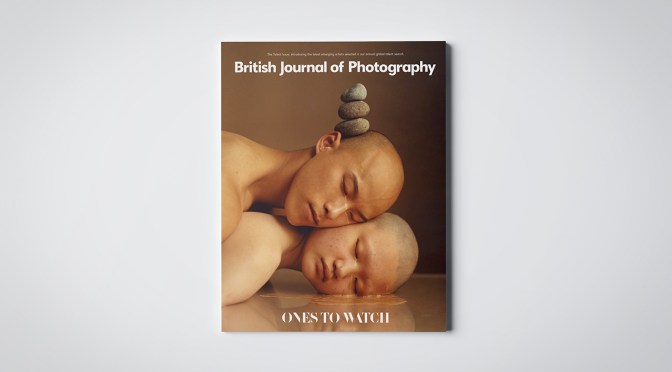


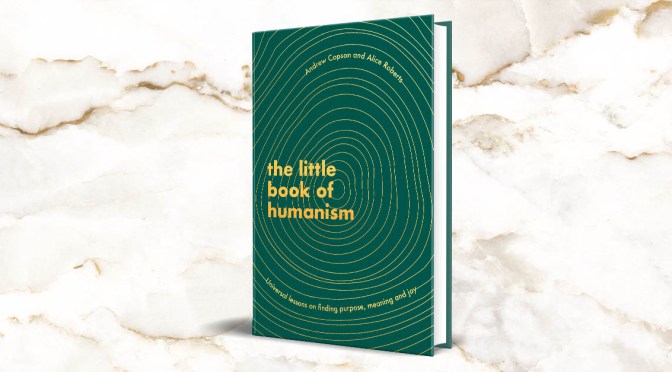

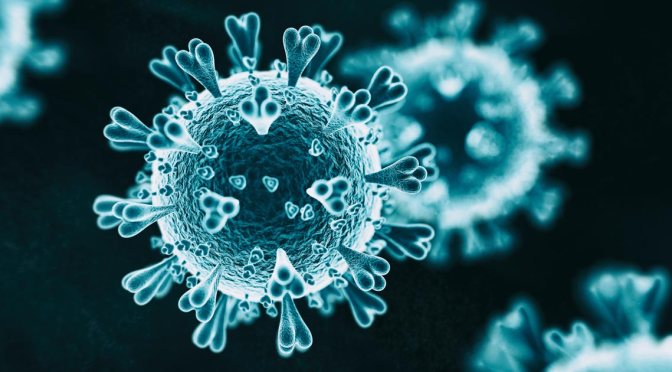
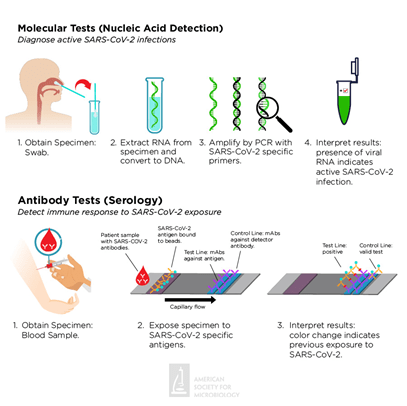



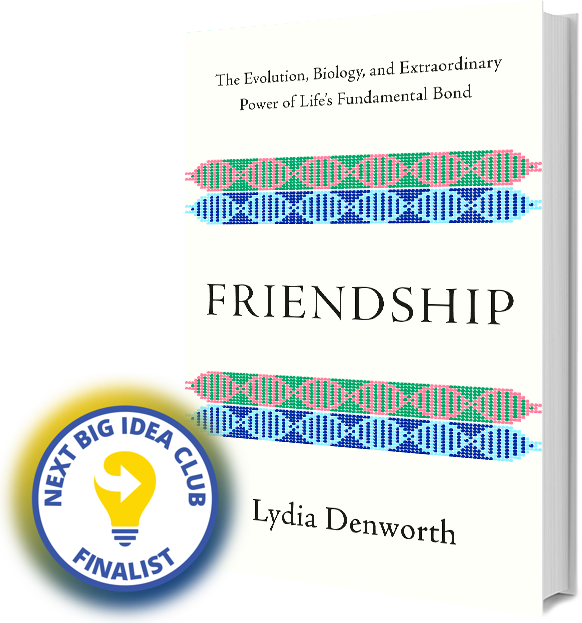
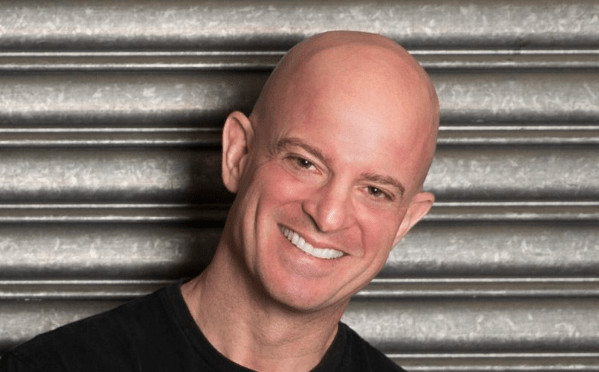
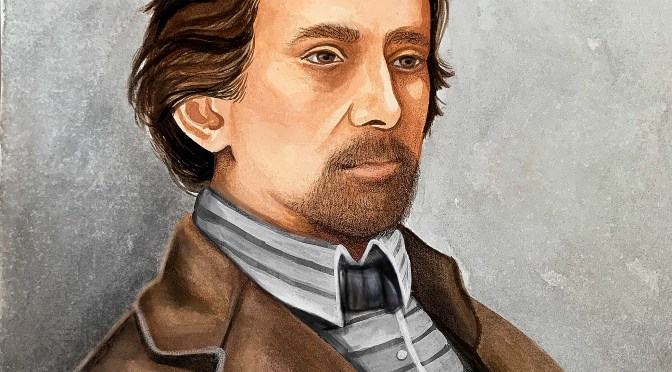


 Humanist Heritage Canada