Tag Archives: featured

Critically Thinking About Covid-19 – Part IV

You may wish to read Critically Thinking About COVID19 PART I, Critically Thinking About COVID19 PART II and Critically Thinking About COVID19 PART III before diving into this essay.

By: Dr. Christopher DiCarlo (December 18 , 2020)

In this installment of commentary on the current Covid19 pandemic, we will consider our current status in regards to testing, restrictions, vaccination development, and public policies. As usual, in light of our epistemic model, it is always important to remember Rumsfeld’s Rule:

 “There are known knowns. There are things we know that we know. There are known unknowns. That is to say, there are things that we now know we don’t know. But there are also unknown unknowns. There are things we do not know we don’t know.”[1]

So at this point in the pandemic, we must ask ourselves: what do we know, and what do we know we don’t know about this particular virus? 

Controlling the Spread of the Disease:

It is important to understand that there are three ontological states of being when it comes to human infection: asymptomatic, pre-symptomatic, and symptomatic. We have known for quite some time that many spreaders of the disease have been asymptomatic i.e. those infected but who exhibit no symptoms. Because of various studies carried out by different countries around the world – including Iceland, the UK, and others, we are starting to see a clearer picture on the actual percentage of asymptomatic carriers of the virus.[2] Coming in somewhere between 75% and 86%, we are discovering that one of the central reasons such a virus can spread so quickly is not simply due to its high level of virulence i.e. ability to infect a host, but to the fact that so many people don’t even realize they have it, and therefore, don’t self-isolate.
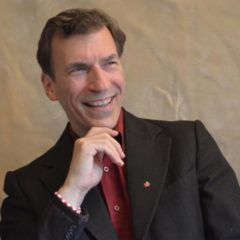
Dr. C DiCarlo
Dr. Christopher DiCarlo

At this point in the pandemic, we are starting to see some variance in regards to viral mutations throughout the world. The UK has found that several new mutations have arisen, some of which have made the virus more communicable, others making the virus somewhat weaker:

The new strain of coronavirus spreading through Britain has a ‘striking’ amount of mutations, scientists have claimed. Members of the UK’s Covid-19 Genomics UK Consortium (COG-UK), who have been investigating the evolved strain, say they have uncovered 17 alterations, which they described as ‘a lot’. Many of the changes have occurred on the virus’s spike protein, which it uses to latch onto human cells and cause illness. Alterations to the spike are significant because most Covid vaccines in the works, including Pfizer/BioNTech’s approved jab, work by targeting this protein.[3]

These mutations have some people worried that the currently developed vaccines will not have any effect on these variants. “But scientists, including England’s chief medical officer Chris Whitty, have said there is ‘currently no evidence’ the mutation — which has been spotted in Wales, Scotland, Denmark and Australia — will have any impact on vaccines.”[4] So that is some good news as we face this second and far more devastating wave of infections. But we must also remember, that such a virus will continue to evolve and mutate even after massive vaccinations have been carried out:

…vaccines won’t put an end to the evolution of this coronavirus, as David A. Kennedy and Andrew F. Read of The Pennsylvania State University, specialists in viral resistance to vaccines, wrote in PLoS Biology recently. Instead, they could even drive new evolutionary change. There is always the chance, though small, the authors write, that the virus could evolve resistance to a vaccine, what researchers call “viral escape.” They urge monitoring of vaccine effects and viral response, just in case.[5]

A lot of people don’t realize this, but there will be scientists who will track the mutation rates of Covid-19 for months or even years after global inoculations have taken place. We can be fairly optimistic that with the various vaccines in circulation now, the likelihood for ineffectiveness over time remains fairly low:

There are some reasons to be optimistic that the coronavirus will not become resistant to vaccines. Several years ago, Dr. Kennedy and Dr. Read presented an analysis of the difference between resistance to drugs and vaccines. Neither bacteria nor viruses evolve resistance to vaccines as easily as they do to drugs, they wrote. Smallpox vaccine never lost its effectiveness, nor did the vaccines for measles or polio, despite years of use.[6]

So it looks as though we can rest assured that scientists will not have to continuously battle an ever-changing, shape-shifting, virus in the years to come.

And let’s remember, a global viral pandemic will always follow this exact pattern of reaction: Testing, Isolation, Anti-virals, and Vaccine (or TIAV)

To return to our acronym – TIAV, let’s where we’re at in terms of current information:

Testing: “Don’t let the perfect be the enemy of the possible”

In regards to testing, there have been some developments since my last paper in September but quite frankly, I’m disappointed in the overall failure of testing placement by our local, provincial, and federal governments. Where are the ‘at-home self-tests’ for Covid-19? They exist, but they have not been approved for wide distribution and use. In my last paper, I had discovered that Precision Biomonitoring received approval for their PCR rapid testing units on July 7th. But neither the Provincial nor Federal Governments purchased any such devices. Instead, major Canadian and US companies purchased them which allowed mining, fishing, logging, and even the movie industries to continue with little interruptions. Had our governments purchased such units and hired the right people to put them in key places such as airports, retirement homes, supply chains, private businesses, etc., we could have minimized the effects of the inevitable second wave of infections. Be that as it may, we are still using the same, basic testing facilities that have been in place since March, 2020. The response times are still anywhere from 2-5 days which is helpful but still far too long to have any significant impact on controlling and tracing the spread of the virus.

What I referred to in earlier papers as the ‘Holy Grail’ of tests, may finally be a reality. The FDA just recently announced its Emergency Use Approval for the first fully at-home Covid-19 Test by Ellume.[7] Although not as accurate as the PCR tests, medical authorities believe they will go a long way in allowing people to safely test themselves from the comfort of their own home rather than having to wait in line ups and wait for days for results.

In terms of accuracy,

With all antigen tests, positive results are highly accurate and should be treated as a presumptive positive (meaning, you should act as though you have Covid until another test can verify it). However, there is a higher chance of false negatives, because antigen levels can drop lower than what the tests can detect, according to the FDA. In other words, a negative antigen test result doesn’t rule out a Covid-19 infection. Clinical trials found that Ellume’s home test correctly identified 96% of positive samples and 100% of negative samples in people with Covid symptoms. In people without symptoms, the test correctly identified 91% of positive samples and 96% of negative samples. That means this test works best with people who have Covid symptoms, because antigen tests return positive test results when a person is most infectious. So, while this test can save you a trip to a clinic and a long wait in line to get antigen tested, the results should be taken with a grain of salt. Getting a negative result from an antigen test doesn’t give you the green light to behave as though you’re uninfected. The most reliable way to tell if you have Covid or not is to get a PCR test, which is considered the gold standard.[8]

Whether or not Health Canada will approve this new test is not known at this time. They are currently considering numerous applications for such quick response at-home tests. What we do know is that they have refused approval for similar at-home antigen tests in the past:

Where are Canada’s rapid at-home coronavirus tests? Infectious disease experts have been asking themselves — and public health officials — this for months. “If every Canadian had that in their medicine cabinet, we might be able to test our way out of this,” said Colin Furness, an infection control epidemiologist and assistant professor at the University of Toronto… …Furness is hopeful for a wider approval. He said at-home tests have the ability to not only assist busy public health agencies but also help keep businesses and schools afloat.[9] “We have to think of it like a screening tool, a magic thermometer,” he said. “It doesn’t provide you a diagnosis but it tells you something’s wrong.”[10]

Other medical experts are collectively shaking their heads at the poor policies in place for the approval and massive distribution of such at-home rapid-testing kits.

Many of these tests have gotten a “bad rap” because they’re considered less sensitive than lab-based tests, said Dr. Prabhat Jha, an epidemiologist at the University of Toronto, and director of the Centre for Global Health Research at St. Michael’s Hospital…Jha believes there’s too much weight being put on this threshold. He believes an effective home testing strategy is a critical part of Canada’s response to the second wave of the virus.[11]

Based on this information, are we safe to infer that if we had such tests back during the summer, we could have drastically reduced the number of infections that led to the second wave?

“Making them available to nursing home staff, for example, would be worth it. Sure, there’d be some you miss, but you could substantially reduce the number of people who are showing up positive at a nursing home, asymptomatically,” he said. “We don’t have to let the perfect be the enemy of the possible.” [12]

It seems as though we have been waiting a long time for such tests. I never imagined that, during a global pandemic, several vaccinations would be discovered and widely distributed before a single, reliable, rapid-response at-home test could be produced.

Isolation:

At this point in time – mid to late December, 2020 – we find ourselves in Canada faced with a rapidly rising second wave of infections. Many restrictions have been placed across the country. We are seeing a rate of 2400 cases a day in Ontario. This is four times higher than during the first wave in March-April. For various reasons – people ignoring social restrictions, businesses staying open, lax enforcement of Covid-19 regulations, kids returning to school, pandemic fatigue, excitement for a vaccine, etc. – the rate of infections has steadily increased since the end of the summer. Governments are forced to impose tougher restrictions on ‘hot spots’ which, in turn, causes residents of that area to move into less restricted areas to shop, dine, etc., which eventually causes a greater spread of infections turning that area into a ‘hot spot’ and so on, and so on, ad nauseum.

It is discouraging to see how some absolutely ridiculous policies were put in place regarding isolation with Covid-19. From the Ontario Provincial Ministry of Health’s        website, the following protocol can be found on the ‘COVID-19 Screening tool for          students and children in school and child care’ (Version 3: October 5, 2020):                “Household members without symptoms may go to school/child care/work.”[13] Think about this for a second. What’s wrong with this statement? Quite a bit, actually. First of all, it commits the fallacy of ‘begging the question’ by assuming that only those people showing signs of the virus are a threat and need to stay home. However, as we all have known for a very long time, it is those who are asymptomatic who are the greatest spreaders of the virus. In fact, the latest research indicates that those who are asymptomatic far outnumber those who are not by a ratio of up to 3 to 1.[14] Because of this policy, thousands upon thousands of unsuspecting and asymptomatic people – especially elementary school-aged children – will attend school to spread the disease to other unsuspecting children who show no signs of the illness but who will quite likely pass it on to their unsuspecting older siblings, parents, and grandparents. In effect, this policy allows for an extremely effective way of transmitting the virus throughout a given population. Such a policy has allowed very young children to become central vectors in transmitting the disease. It is a self-defeating, ill-conceived policy, and it needs to stop – immediately! I have been trying to relay this to the Minister of Education, Stephen Lecce, and the Premier of Ontario, Doug Ford, for months; but to no avail. 

Any and all such policies which assume – falsely – that checking for Covid symptoms amounts to preventing the spread of the virus, are flawed. So any person who is asymptomatic can leave a household entirely infected with Covid-19 and return to work, or attend school, or go to a daycare. A more comprehensive policy might have included something akin to the following protocol: Whenever any person within a household is positively diagnosed with Covid-19, ALL members of that household should remain isolated. When – AND ONLY WHEN – every person in that household produces a negative test result from a PCR testing site, should they end their isolation. By allowing all non-symptomatic members of an infected household to move throughout the community governments have initiated a policy which has rapidly increased the rate of spread of infection.

What we might want to consider at this point is: Who created this part of the policy for isolation regarding Covid-19? Was it a single person? A committee? How were medical professionals consulted on such a development? Citizens have a right to know; because this small technicality may be largely responsible for the rapid transmission of the virus throughout Ontario.

There are other problems involving isolation – or perhaps, more accurately – non-isolation. ‘Anti-maskers’ are people who believe that wearing a mask while in public places, is unnecessary. They sometimes hold large anti-lockdown freedom marches. Not unlike Trump rallies, such events are both highly politicized and often become super spreader gatherings. Wearing a mask is no longer seen as a public duty i.e. “We’re all in this together”. Instead, wearing a mask is viewed as a symbol of political oppression i.e. “No way, is ‘the man’ or ‘Big Government’ going to tell me what to do!” There are many factions of society – from Mennonite communities, to New Age devotees, to far-right conservatives – who show up for such marches.

It is science which has led the way throughout this entire pandemic.

There is a general feeling of anti-science in the air. And that is unfortunate; for it is science which has led the way throughout this entire pandemic.[15] From our decades-long predictions and warnings, to pleading for attention that this pandemic was inevitable, to the understanding of its cause, to its genetic identification, vaccination development, etc., science has been at the forefront leading and advising us of the most responsible actions to take. In world-record-breaking time, several vaccinations have been produced to put an end to the virus so the world can return to some form of normalcy. To see such people flout the value of scientific evidence because of their oddly-kept and deeply skewed views of liberty and freedom has such ironic flavour as to go entirely unnoticed beneath their watch. Anti-maskers are wrong. Period. Wear a mask; it’s among the very least you can and hence, should do – for your community, your country, your world. Science proves that masks work; therefore, you listen to science and wear a mask – irrespective of any and all political ideologies.[16]

Anti-Virals:

The biggest news to date with antivirals is that the Latest COVID-19 guidelines have come out against two leading antivirals: bamlanivimab and remdesivir. In a recent paper, it was found that:

…there are insufficient data to recommend either for or against the use of bamlanivimab for the treatment of outpatients with mild to moderate COVID-19. The drug should not be considered the standard of care, and hospitalized patients should not receive bamlanivimab outside of a clinical trial, according to the treatment panel. It recommended that clinicians discuss trial participation with patients and prioritize use of the drug in patients with the highest risk of COVID-19 disease progression.[17]

Dexamethasone and convalescent plasma treatments continue to be used successfully in ICU’s throughout the world.

Vaccines:

There has been considerable development of vaccination therapies since Part III of this series. As of mid-December, 2020 the world is now receiving vaccinations from two major companies: Pfizer and Moderna. Both are mRNA vaccines which is a very new form of technology which was developed in accordance to discoveries made by 2020 Nobel Prize Laureates Drs. Emmanuelle Charpentier and Jennifer A. Doudna. 

That method, formally known as CRISPR-Cas9 gene editing but often called simply CRISPR, allows scientists to precisely cut any strand of DNA they wish. In the 8 years since its creation, CRISPR has been a boon for biologists, who have published thousands of studies showing that the tool can alter DNA in organisms across the tree of life, including butterflies, mushrooms, tomatoes, and even humans.[18]

This same technology has allowed scientists to rapidly develop vaccines against Covid-19. Known as mRNA (or messenger ribonucleic acid):

COVID-19 mRNA vaccines give instructions for our cells to make a harmless piece of what is called the “spike protein.” The spike protein is found on the surface of the virus that causes COVID-19. COVID-19 mRNA vaccines are given in the upper arm muscle. Once the instructions (mRNA) are inside the immune cells, the cells use them to make the protein piece. After the protein piece is made, the cell breaks down the instructions and gets rid of them. Next, the cell displays the protein piece on its surface. Our immune systems recognize that the protein doesn’t belong there and begin building an immune response and making antibodies, like what happens in natural infection against COVID-19. At the end of the process, our bodies have learned how to protect against future infection. The benefit of mRNA vaccines, like all vaccines, is those vaccinated gain this protection without ever having to risk the serious consequences of getting sick with COVID-19.[19]

Currently, both the Pfizer and Moderna vaccines are being shipped to enormous freezers which must keep them at very cold temperatures: Pfizer at -75o C and Moderna at – 20o C.[20] This will obviously complicate logistics. But many countries have already established guidelines and supply chain management strategies in an effort to optimize deliveries of the vaccine.

Triage: Who Gets the Vaccine First?

Since this is our first pandemic, determining the triage or order of preference for a medical intervention is a political, legal, and moral determination. In regards to which countries first receive the vaccine, Canada is involved with a coalition known as COVAX:

COVAX is a global initiative led by the WHO, the Coalition for Epidemic Preparedness Innovations (CEPI) and international vaccine alliance organization Gavi, that aims to bring governments and vaccine manufacturers together to ensure all countries have access to the COVID-19 vaccine once they become available.[21]

So far, there are approximately 184 countries participating in the COVAX program. But this does not limit wealthier nations (like Canada) from reaching out directly to pharmaceutical companies in procuring vaccines:

Higher-income countries are not limited to resorting to COVAX just because they’ve signed on. Several, like Canada and the European Union, have been dealing directly with pharmaceutical companies to secure vaccine doses. To date, Canada has procured nearly 414 million vaccine doses — more than 10 doses per-person for its population of 37.9 million while the European Union, which is home to almost 448 million people, is also on track to obtain 1.1 billion COVID-19 vaccine doses. In a statement to Global News, the office of the Prime Minister said that Canada had announced $440 million into COVAX — the second largest contribution any country has made so far.[22]

So, as a country, Canada seems well-positioned in receiving various vaccines as they become approved for world-wide distribution. In regards to who, exactly, will be receiving the vaccines as they arrive, we notice that a system of priorities has been put in place. On the Government of Canada’s website, we find the following guidelines:

The objective of this advisory committee statement is to provide preliminary guidance for public health program level decision-making to plan for the efficient, effective, and equitable allocation of a novel coronavirus disease 2019 (COVID-19) vaccine once it is authorized for use in Canada when limited initial vaccine supply will necessitate the prioritization of immunization in some populations earlier than others. These recommendations aim to achieve Canada’s pandemic response goal: “To minimize serious illness and overall deaths while minimizing societal disruption as a result of the COVID-19 pandemic.” Due to anticipated constraints in supply, these National Advisory Committee on Immunization (NACI) recommendations apply to provincial/territorial publicly-funded immunization programs only and not for individuals wishing to prevent COVID-19 with vaccines not included in such programs.[23]

There are specific key populations that have been identified as priority status. Such key populations include at high risk of severe illness and/or death from COVID-19 includes:

Advanced age, those most likely to transmit COVID-19 to those at high risk of severe illness and death from COVID-19 and workers essential to maintaining the COVID-19 response, Healthcare workers, personal care workers, and caregivers providing care in long-term care facilities, or other congregate care facilities for seniors, other workers most essential in managing the COVID-19 response or providing frontline care for COVID-19 patients, household contacts of those at high-risk of severe illness and death from COVID-19, those contributing to the maintenance of other essential services for the functioning of society, those whose living or working conditions put them at elevated risk of infection and where infection could have disproportionate consequences, including Indigenous communities.[24]

The following graph summarizes the National Advisory Committee on Immunization’s (or NACI) interim recommendations on key populations for early COVID-19 immunization for public health program level decision-making:

Good News…bad news.

So the good news is: the end to the pandemic is in sight. The bad news is that by the time vaccinations get into the arms of enough Canadians to reach actual herd immunity (70+%), many will become sick and many more will continue to die. We have learned, recently, that such a tactic of deliberately allowing millions to become infected with the virus to quicken the likelihood of herd immunity was carried out by the Trump Administration:

A top Trump appointee repeatedly urged top health officials to adopt a “herd immunity” approach to Covid-19 and allow millions of Americans to be infected by the virus, according to internal emails obtained by the House Oversight Committee and shared with POLITICO. “There is no other way, we need to establish herd, and it only comes about allowing the non-high risk groups expose themselves to the virus. PERIOD,” then-science adviser Paul Alexander wrote on July 4 to his boss, Health and Human Services assistant secretary for public affairs Michael Caputo, and six other senior officials.[25]

At first sight, one might think this might be an effective way to try to battle a virus. However, upon further consideration, it becomes quickly apparent that far more people will fall ill and die as a result. For example, if just 1% of those infected with Covid-19 die, and 300 million Americans contract it in an effort to hasten herd immunity, then that means around 3 million people in the US, alone, will die. Trump’s appointee furthers his illogical suggestion by saying:

“Infants, kids, teens, young people, young adults, middle aged with no conditions etc. have zero to little risk….so we use them to develop herd…we want them infected…” Alexander added. “[I]t may be that it will be best if we open up and flood the zone and let the kids and young folk get infected” in order to get “natural immunity…natural exposure,” Alexander wrote on July 24 to Food and Drug Administration Commissioner Stephen Hahn, Caputo and eight other senior officials.[26]

Here’s where things get interesting and perhaps, a little frightening. If, and I say: IF, Paul Alexander was aware of the projected death rate, and he continued to push for his bizarre idea of bringing about herd immunity, THEN it follows that he was willing to sacrifice a great many lives in order to speed up the movement of the virus through the US population – and the number of lives sacrificed would be well into the millions. What’s more, the suggestion of such an idea makes a great deal of sense now that we recall how states like Florida and Texas simply ignored CDC and WHO guidelines for dealing with the virus and let all businesses stay open and resume as usual. And perhaps this is why Trump was downplaying the use of masks and holding such enormous rallies:

Alexander also argued that colleges should stay open to allow Covid-19 infections to spread, lamenting in a July 27 email to Centers for Disease Control Director Robert Redfield that “we essentially took off the battlefield the most potent weapon we had…younger healthy people, children, teens, young people who we needed to fastly [sic] infect themselves, spread it around, develop immunity, and help stop the spread.”[27]

There is no definitive evidence that Alexander’s suggestions were fashioned into any type of formal policy: “In a statement, a Health and Human Services spokesperson said that Alexander’s demands for herd immunity “absolutely did not” shape department strategy.”[28] Be that as it may, to what extent did such an idea lie in the backs of the minds of those who neglected to act quickly and decisively against the spread of such a deadly virus? Especially when another main chief medical advisor to President Trump, Dr. Scott Atlas, was a major advocate in promoting herd immunity:

During a Fox News appearance on Aug. 3 discussing college reopenings, Atlas echoed an argument often made by Trump that children “have no risk for serious illness” and “they’re not significant spreaders,” adding, “There should never be and there is no goal to stop college students from getting an infection they have no problem with.”[29]

Practically all public health care professionals have argued the opposite and have now recognized the crucial role people who are asymptomatic play in transmitting and spreading the disease:

While researchers are still studying the effects of the virus on children, a study published in JAMA Pediatrics in July found children carry as much or more of the infection in their noses and throats compared to adults, while a Centers for Disease Control and Prevention contact tracing study found young people between ages 10 and 19 years old are more likely to spread the coronavirus in households, where other family members may be more susceptible to severe symptoms.[30]

Donald Trump has surrounded himself with ‘yes men’ for his entire Presidency. For those who dare to question, they have been shown the door and ridiculed on Twitter. To know just how bad Dr. Atlas’s advice has been, we need look no further than an endorsement from the President himself:

“Scott is a very famous man who’s also very highly respected,” Trump said on Monday. “He’s working with us and will be working with us on the coronavirus,” Trump said in August. “And he has many great ideas. And he thinks what we’ve done is really good, and now we’ll take it to a new level.”[31]

Notice how Trump refers to Atlas’s apparent ‘fame’ first? Trump has always cared more about vacuous and value-starved credentials like ‘fame’ and ‘ratings’ as sign-posts for excellence in his concept of professionalism rather than virtues like honesty, integrity, earned professional merit, and dependability. For anyone to think that the Trump Presidency’s task force on Covid-19 (led by Vice President Mike Pence) was “really good”, demonstrates a blind obedience to a political power and indicates a person who has surrendered the values of science as being impartial and objective.

Before joining Trump’s Covid-19 ‘Task Force’, Atlas held a position as senior fellow at Stanford University’s Hoover Institution, a conservative think tank. Atlas himself is not an infectious disease expert but a board-certified diagnostic neuroradiologist and has served as a professor and chief of neuroradiology at Stanford University Medical Center from 1998 to 2012. His highly-politicized medical advice regarding the pandemic has been met with swift and fierce rebuke from his colleagues at Stanford. In a scathing letter, dozens of Stanford University Medical School’s top faculty denounced their former colleague for promoting what they called “falsehoods and misrepresentations of science”:

“Many of his opinions and statements run counter to established science and, by doing so, undermine public-health authorities and the credible science that guides effective public health policy,” according to the letter, signed by Dr. Philip A. Pizzo, former dean of Stanford School of Medicine; Dr. Upi Singh, chief of Stanford’s Division of Infectious Diseases, and Dr. Bonnie Maldonado, professor of epidemiology and population health, and 105 others.[32]

When scientific knowledge loses its objectivity and professionals decide to weaponize such misleading information, people suffer, and people die. And this is exactly what we have been seeing because of extremely poor leadership on the part of Mr. Trump, and unforgiveable behaviour on the part of Dr. Atlas. In my estimation, ‘Dr.’ Atlas should have his medical degree suspended or stripped for spreading such medical misinformation. We shall see if any professional repercussions ensue in the following months.

The importance of why world leaders must be well-informed and guided by professional advisers who provide the most current and accurate scientific information cannot be overstated. To ignore this, is to do so at the peril of many innocent people.

We did not meet the second wave with the same amount of dedication as we did with the first wave. And unfortunately, this is showing in the number of cases, hospitalizations, and deaths throughout the world. Hopefully, we will be able to flatten the curve on this wave as quickly as possible so we are all in a much better position to reach peak immunization when the vaccine becomes available to us.

NOTE: I am not going to waste any time discussing the anti-vaccination position. The bottom line is this: Anti-vaxxers are wrong. If the Covid-19 vaccination poses no real health threat to you, it automatically becomes your prima facie minimal duty – to yourself, to others, to your country, and to the world, to get it.

Dealing with Anxiety by Battling Misinformation

Emotionally, the pandemic has taken its toll on us. It is difficult to say at this point, how long after the world returns to normal will we need to deal with issues of anxiety and PTSD. As many are facing pandemic fatigue and are simply tired of having their lives affected by such a pathogen, we must remain vigilant in following rigorous protocols of physical distancing, mask-wearing, handwashing, testing, tracking and tracing, and patience in waiting for our turn to get the vaccine. We can best deal with anxiety when we start with solid, reliable, and responsibly-attained information. If anyone reading this series of papers has any questions regarding the scientific soundness of available information, there are plenty of websites available to help:

https://en.ccunesco.ca/blog/2020/10/fighting-disinformation-during-a-pandemic

https://ec.europa.eu/info/live-work-travel-eu/coronavirus-response/fighting-disinformation_en

https://www.nature.com/articles/d41586-020-01834-3

https://www.the-scientist.com/critic-at-large/opinion-scientists-must-battle-the-disinformation-pandemic-67993

If you are unable to find answers to your questions regarding reliable information about Covid-19, feel free to reach out to me, personally and I will do my best to comply. I can be reached at: cdicarlo@criticalthinkingsolutions.ca.

Conclusion:

We will get through this. And we will all be the better for it. For it is in such times of crises that we discover the value and the virtue of the human condition. Here’s hoping that my next paper will report incredible progress against this virus not only in Canada, but throughout the rest of the world. And may it also be the last paper I will need to write about Covid-19.


[1] https://academic.oup.com/jxb/article/60/3/712/453685

[2] See: https://www.dovepress.com/three-quarters-of-people-with-sars-cov-2-infection-are-asymptomatic-an-peer-reviewed-article-CLEP

[3] https://www.dailymail.co.uk/news/article-9058923/New-Covid-strain-17-mutations-scientist-say.html?ito=push-notification&ci=60538&si=17097303

[4] Ibid.

[5] https://www.nytimes.com/2020/11/27/science/covid-vaccine-virus-resistance.html

[6] Ibid.

[7] https://www.cnbc.com/2020/12/16/fda-approves-ellume-home-covid-test-how-it-works-and-antigen-accuracy.html

[8] Ibid.

[9] https://globalnews.ca/news/7469571/coronavirus-canada-rapid-at-home-tests/

[10] https://globalnews.ca/news/7469571/coronavirus-canada-rapid-at-home-tests/

[11] Ibid.

[12] Ibid.

[13] https://covid-19.ontario.ca/covid19-cms-assets/2020-10/Printable%20school%20and%20child%20care%20screening_v3_en.pdf

[14] See: Peterson, I., and Phillips, A. (2020). Three-Quarters of People with SARS-CoV-2 Infection are Asymptomatic: Analysis of English Household Survey Data. Clinical Epidemiology. https://www.dovepress.com/three-quarters-of-people-with-sars-cov-2-infection-are-asymptomatic-an-peer-reviewed-article-CLEP

[15] See: https://www.theatlantic.com/magazine/archive/2021/01/science-covid-19-manhattan-project/617262/

[16] Obviously, this excludes health-based and all other relevant reasons for not being able to wear a mask.

[17] https://acpinternist.org/weekly/archives/2020/11/24/1.htm

[18] https://cen.acs.org/biological-chemistry/gene-editing/CRISPR-genome-editing-2020-Nobel/98/i39#:~:text=The%202020%20Nobel%20Prize%20in,strand%20of%20DNA%20they%20wish.

[19] https://www.cdc.gov/coronavirus/2019-ncov/vaccines/different-vaccines/mrna.html

See also: https://www.nature.com/articles/nrd.2017.243

[20] There are also the Oxford-AstraZeneca and the Johnson & Johnson vaccines which are expected to receive approval for widespread distribution soon.

[21] https://www.msn.com/en-ca/news/world/your-guide-to-covax-the-whos-coronavirus-global-vaccine-plan/ar-BB1bwZZK?ocid=iehp&li=AAggNb9

[22] https://www.msn.com/en-ca/news/world/your-guide-to-covax-the-whos-coronavirus-global-vaccine-plan/ar-BB1bwZZK?ocid=iehp&li=AAggNb9

[23] https://www.canada.ca/en/public-health/services/immunization/national-advisory-committee-on-immunization-naci/guidance-key-populations-early-covid-19-immunization.html

[24] https://www.canada.ca/en/public-health/services/immunization/national-advisory-committee-on-immunization-naci/guidance-key-populations-early-covid-19-immunization.html

[25] https://www.msn.com/en-ca/news/newspolitics/we-want-them-infected-trump-appointee-demanded-herd-immunity-strategy-emails-reveal/ar-BB1bZ5h3?ocid=iehp&li=AAggNb9

[26] Ibid.

[27] Ibid.

[28] Ibid.

[29] https://www.forbes.com/sites/mattperez/2020/08/12/who-is-dr-scott-atlas-trumps-new-covid-health-adviser-seen-as-counter-to-fauci-and-birx/?sh=6336011720a4

[30] Ibid.

[31] https://www.cnn.com/2020/11/16/politics/atlas-stanford-coronavirus-michigan/index.html

[32] https://www.mercurynews.com/2020/09/12/stanford-doctors-take-aim-at-former-colleague-scott-atlas-trumps-new-adviser-on-the-covid-19-pandemic/


The views, opinions and analyses expressed in the articles on Humanist Freedoms are those of the contributor(s) and do not necessarily reflect the views or opinions of the publishers.

Featured Photo Courtesy of: https://www.baystatehealth.org/covid19

Humanist International’s 2020 Freedom of Thought Report

On December 10, 2020 Humanists International re-launched the Freedom of Thought Report as an updated document. The document has been in continuous development and circulation since 2012 as a monitor of the rights and treatment of humanists, atheists and non-religious people in every country in the world.

The report contains an entry for every country in the world and uses a unique rating system ranging from “Fee and Equal” to”Grave Violations”. Canada’s rating overview states:

Canada is a federal parliamentary democracy, extending north into the Arctic Ocean, and sharing the world’s longest land border with the United States. Despite what should be strong constitutional protections for freedom of thought and expression, significant religious privileges are in force, both nationally and in several of its ten provinces and three territories.

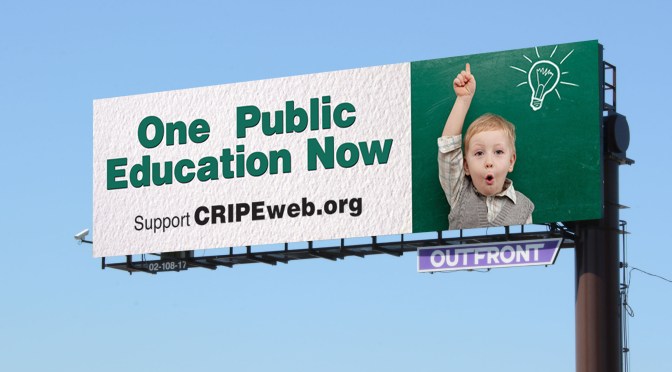
Of particular interest to humanistfreedoms.com is the report’s sections covering Quebec’s Bill C-21, education in Canada, and blasphemy & hate speech. Our readers will recall that this site was partially inspired by Dr. Richard Thain’s fight to defend his right to free expression when he attempted to advertise his opposition to the public funding of Catholic school boards in Ontario.

In this year, when speaking publicly about controversial issues has become a notably riskier endeavour, the need to support individuals and organizations who actively defend humanist freedoms has grown enormously.

Consider Humanist International’s Humanists At Risk Action Report 2020, which exposes a lack of separation between state and religion, as well as an array of tactics used against humanists, atheists and non-religious people in Colombia, India, Indonesia, Malaysia, Nigeria, Pakistan, the Philippines, and Sri Lanka to limit their rights to freedom of thought, conscience, and religion or the right to freedom of expression, association and assembly. No other organization may be relied upon to devote a significant portion of its time to defending humanist freedoms.

Citations, References And Other Reading

  1. Featured Photo Courtesy of https://humanists.international/
  2. https://humanists.international/2020/06/growing-evidence-of-worsening-persecution-targeting-the-non-religious-around-the-world-new-report-reveals/

The views, opinions and analyses expressed in the articles on Humanist Freedoms are those of the contributor(s) and do not necessarily reflect the views or opinions of the publishers.

‘Jiang Ziya’ and the Unbearable Lightness of Bourgeois Humanism

In our search for interesting, challenging and critical perspectives on contemporary humanism, we occasionally find articles published in other venues that we think humanistfreedoms.com readers may enjoy. The following article was published on Sixth Tone and is republished with the author’s permission.


‘Jiang Ziya’ and the Unbearable Lightness of Bourgeois Humanism

The real-life Jiang Ziya was a bold strategist who overthrew a tyrant. His cinematic counterpart mostly mopes — and audiences seem to like it that way.

By: Wu Changchang

Last month, Beijing Enlight Pictures premiered the second film in its traditional mythology-themed “Investiture of the Gods” cinematic universe: “Jiang Ziya: Legend of Deification.” And following in the footsteps of last year’s box office hit “Ne Zha,” which transformed its source story from a critique of feudalism into a family-friendly tale of childhood rebellion and acceptance, Enlight also gave the eponymous hero of “Jiang Ziya” a modern gloss.

The historical Jiang Ziya was a founding father of the Zhou dynasty (1046 B.C.-256 B.C.). One of the country’s earliest master strategists, he rose up in revolt against the brutal last despot of the Shang dynasty. Of course, these details have long since been overtaken in the popular imagination by more fantastic portrayals, and the Jiang Ziya most Chinese audiences would be familiar with is more mythic than real. In the classic Ming dynasty (1368-1644) novel “The Legend of Deification,” Jiang Ziya is depicted as a disciple of the Taoist deity Yuanshi Tianzun who leads the rebellious Zhou army to victory.

But the cinematic “Jiang Ziya” goes in a different direction, rewriting the military genius as a maudlin intellectual beset by the cliché humanist ethical problem of how to balance the needs of the individual and the people. The whole film is colored by his confusion and disillusionment, a portrait of the revolutionary politician as an emo young man.

As a scholar of cultural studies, I can’t help but be curious if the film’s production team really believes the only way to make an appealing movie these days is to “humanize” any hero — no matter how mythic, epic, or larger-than-life they are — by weighing them down with mundane concerns.

Then again, if the studiously “humanist” tone of the first two films in the “Investiture” universe are any indication, they probably do.

Zhou Xiaohong, a professor of sociology at Nanjing University, once famously observed that China’s emerging middle class puts consumption first and politics last. But while the first bit is likely true, I can’t agree with the second. Since the 1980s, China’s resurgent petit bourgeoisie have broken with the nation’s revolutionary politics in favor of a return to humanism — the centering of individuality and humanity in place of the Marxist focus on social relations. But how exactly is that apolitical? If anything, it’s the essence of bourgeois politics.

Humanism as a winning pop culture product is a relatively recent phenomenon within the People’s Republic of China. Early on, the country’s authorities took it for granted that the political positions of petit bourgeois intellectuals — distinct in this framework from those in the “middle class” — are obviously dubious and not to be trusted. Although technically grouped with the revolutionary masses, they were locked out of power and resided at the bottom of the so-called chain of contempt. In the words of Mao Zedong: “In the deepest reaches of their souls still reigns an empire of petty bourgeois intellectuals.”

As such, petit bourgeois political stances needed periodic testing and “rectification,” and the only depictions of the petty bourgeoisie compatible with socialist literature and art were those of revolutionaries who have resolved the contradictions of their identity in order to affirm their alliance with the proletariat — or the background figures needed to contrast against more heroic workers, peasants, and soldiers.

After the advent of “reform and opening-up” in the early 1980s, however, humanism became a cultural phenomenon. Following the bloody chaos of the Cultural Revolution, a new movement — in which human nature was used as a means of finding closure and rewriting history — gradually formed in Chinese literary and artistic circles, and petit bourgeois culture revived.

That trend continued into the new millennium, as the social status and financial power of China’s petit bourgeoisie grew. Once relegated to the depths of society, today they’ve reclaimed their perch atop China’s chain of contempt, acting as judges of good taste and looking down upon the backward views and lifestyles of rural China.

A promotional image for the film “Jiang Ziya,” featuring Jiang, Ne Zha, and other characters from the “Investiture of the Gods” cinematic universe in their boy band personas. From @电影姜子牙 on Weibo

A promotional image for the film “Jiang Ziya,” featuring Jiang, Ne Zha, and other characters from the “Investiture of the Gods” cinematic universe in their boy band personas. From @电影姜子牙 on Weibo

Pop culture production has shifted in response. During the so-called golden age of Chinese TV from 2005 to 2014, the petit bourgeoisie was the demographic over which all the major TV stations competed. They propelled Dragon TV to the ranks of China’s top stations, and even younger-skewing Hunan Satellite TV has sought to rebrand itself as highbrow in the hopes of courting a more affluent viewership.

The resulting cultural hegemony of humanism carries a whiff of revisionism, however — one that brooks little dissent. In the mid-1980s, scholars sought to place humanism in a broader context, inclusive of concepts like social relations and alienation. Today, such discussions are practically invisible, as humanism has been lifted to the status of universal value or absolute truth, one that automatically takes precedence over historical and national issues.

This shift is reflected throughout popular culture, from films like 2009’s Japanese soldier-centered tale of the Nanjing Massacre “City of Life and Death” to the reemergence of that great chronicler of Chinese petit bourgeoisie, Eileen Chang. Even a recent adaptation of the classic fantasy novel “Journey to the West” took pains to clarify that the white bone spirits’ violence toward humans was actually justified, as they had once been hurt by humans themselves.

Underlying all these works is a fear of collective violence. They emphasize individual freedom above all else and defend the right of their heroes to retreat from political and public life. Put another way, they advocate the right to remain ambivalent: to not commit to a stance or a collective cause. Any arguments calling this logic into question — such as pointing out that the historical Jiang Ziya went to war to overthrow a tyrant — are denounced as “anti-humanistic”.

Idyllic farmsteads, niche subcultures, consumption — these are the cultural fixations of contemporary China’s petit bourgeoisie, and fixtures of the cultural products they withdraw into.

In part, that’s because they give the petit bourgeoisie ample opportunity to showcase their elegant taste and lofty disposition. This summer, for example, petit bourgeois viewers of iQiyi reality show “The Big Band” briefly made the gritty musical act Wu Tiao Ren pop culture icons. A rock-and-roll group, Wu Tiao Ren seem tailor-made to bourgeois affectation: They sing in the dialect of Shanwei City and have the down-to-earth aura of kids from a small town, but their lead singer still finds ways to read Slovenian philosopher Slavoj Zizek in his spare time.

In turn, the band’s petit bourgeois fans use the group to show off their own cultural sophistication by dissecting and discussing their songs on online forums. Or as one commenter put it in a review of their song “The Globe”: “(It) projects magnificent imagery onto such a small scene as a way of seeking meaning in this world. It uses the scene as a means of invoking a state somewhere between transcendence and madness.”

For all their talk of humanism, China’s petit bourgeoisie view the world and examine the human condition from a position they consider superior to most of humanity. In the process, they scour folk tales and songs alike of their revolutionary connotations, replacing what they take out with their own values. The anti-Confucian iconoclast Ne Zha becomes a bratty son, the warlord Jiang Ziya a mopey man of letters, and I can’t help but ask: Just who exactly is being anti-humanistic here?

Translator: Lewis Wright; editors: Wu Haiyun and Kilian O’Donnell.

(Header image: A promotional image for the film “Jiang Ziya.” From Douban)


Citations, References And Other Reading

  1. Featured Photo Courtesy of https://www.wellgousa.com/sites/default/files/styles/hero_image/public/2020-01/812×1200-v1.jpg?itok=PTJ82POp
  2. http://www.sixthtone.com
  3. https://en.wikipedia.org/wiki/Jiang_Ziya

The views, opinions and analyses expressed in the articles on Humanist Freedoms are those of the contributor(s) and do not necessarily reflect the views or opinions of the publishers.

Open Letter to Algeria’s Ambassador To Canada

It is difficult to know for certain whether letters to our politicians and government officials will have an effect. Do you expect that a letter to your city or town Councillor be read and taken seriously? How about your Member of Provincial Parliament? Federal MP? Every bureaucratic layer, every mile from home can seem to shrink the probabilities.

What about writing a letter to dignitaries from foreign countries? Do you think you would be heard? But if the subject were important enough to you, would you still do it?

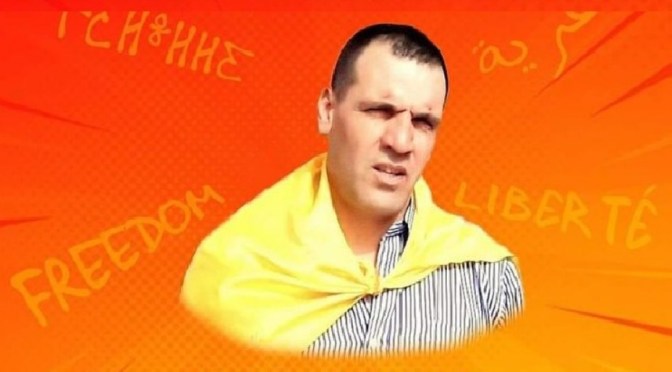
We imagine that these are some of the questions that ran through Dr. Richard Thain’s mind some weeks ago as he composed and sent a letter (an abridged version provided below) to members of the Algerian government. In his letter, Thain called for the release of Yacine Mebarki, a vocal member that country’s Berber minority who has been involved in the long-running Hirak protest movement. Mebarki had been imprisoned for “profaning Islam” (blasphemy, by a slightly different turn of phrase), encouraging a Muslim to leave the religion as well as several other charges.


Dear Ambassador Meghar
,

My name is Richard Thain. As a Canadian citizen, I have the power and the freedom to publicly communicate my perspectives, whether on political, religious or other public matters. I decide who I wish to engage in civil and civic dialog.

On those grounds, I intend to respectfully express my deep concern over the Algerian Court’s decision to find Yacine Mebarki guilty and sentence him to ten years of imprisonment. This decision is the latest of an extremely disturbing pattern in Algeria which is being covered in the international news media. The jailing of journalist Khaled Drareni provides another outrageous example. The world has learned, from Algeria’s National Committee for the Release of Detainees that over five dozen people have been incarcerated in your country, for merely holding unpopular opinions. Journalism is not a crime.

I respectfully direct your attention to the press release, issued on Thursday, September 8, by the Algerian League for the Defence of the Human Rights which “underlines the guarantees in the national law, notably the Constitution and the international conventions ratified by Algeria, in particular the respect for freedom of conscience and opinion.”

I urge you to inform President Abdelmadjid Tebboune, Prime-Minister Abdelaziz Djerad and Minister of Justice Belkacem Zeghmati that many Canadians are appalled by events in Algeria. I urge you to advise the Government of Algeria to immediately release Yacine Mebarki and all prisoners of conscience in Algeria!

Ambassador, there is no-one better positioned or informed than you to recognize that it is of the utmost importance and in the best interests of the Government of Algeria and the Citizens of Algeria that these unconscionable matters be corrected. Help your government to bring the Citizens of Algeria and the Citizens of Canada together by ensuring shared individual freedoms, rights and powers. It is within your power to decide to act or not to act in the interests of Algerians.

Thank you for your time and prompt attention to this critical matter.

Sincerely yours,

Dr Richard G L Thain

You may read a version of Thain’s letter on EAP (en francais). It is our understanding that Thain has not yet received a reply to his letter. But that doesn’t mean that the Algerian government and courts have ignore Mebarki’s case.

We may also imagine the tremendous satisfaction and enthusiasm that Dr. Thain may have felt to read today, as reported on France24, that Algeria’s ” court reduced Mebarki’s prison term from 10 years to one after upholding convictions including “offending the precepts of (Islam)”, but overturning others with heavier sentences including “profaning the Koran”.

Whether Dr. Thain’s letter reached eyes of influential officials in Algeria or not should not reduce any satisfaction Dr. Thain may feel either for his correspondence or for the news for Mebarki. When it comes to the freedom of expression, it is not merely holding the value that is important, it is utilizing that freedom to express one’s opinion even in situations where one has every reason to expect not to be heard.

Dr. Thain encountered his own concerns with freedom of expression, government officials and religious privilege in 2014 when he attempted to publish advertisements objecting to the public funding of Catholic Schools systems in Canada during the launch of the Canadian Museum for Human Rights.

While it may be difficult to know whether our dignified and civilized protestations will be heard, that does not diminish our need to make them.


You may also be interested in Wole Soyinka’s open letter calling for the release of Mubarak Bala.

Citations, References And Other Reading

  1. Featured Photo Courtesy of
  2. https://www.editionap.ca/actualites–news/lettres–letters-d0125757f52f1f19bf41a22066d4bf13actualites–news/liberez-le-defenseur-des-droits-humains-et-militant-laic-yacine-mebarki-d2d4ef51505273408e7035cde3a90d08
  3. https://www.france24.com/en/live-news/20201125-algeria-slashes-activist-s-jail-term-for-offending-islam
  4. https://www.barrons.com/news/algeria-slashes-activist-s-jail-term-for-offending-islam-lawyer-01606307405
  5. https://al-bab.com/blog/2020/10/missing-page-quran-lands-algerian-jail

The views, opinions and analyses expressed in the articles on Humanist Freedoms are those of the contributor(s) and do not necessarily reflect the views or opinions of the publishers.

Stanford Medicine: Fostering Humanism Through PPE

PPE. Personal Protective Equipment. Such a cold and distant term, isn’t it? Due to the current social and regulatory environment stimulated by the ongoing COVID-19 pandemic, this clinical term is rapidly becoming part of routine conversation in non-clinical settings. Are the service providers in your community (retail clerks, travel-industry personnel, bank tellers, automotive mechanics) wearing their PPE? Are you wearing yours?

A rallying-cry for 2020/2021 may well turn out to be something like Mask-Up-For-Health! However, with all of this masking that has been going-on, it may be argued that some essential components of human interaction are being lost. It is comforting to observe that some folks in the healthcare field have begun to consider and act on this possibility.

A team at Stanford Medicine and partnered with The Arnold P. Gold Foundation and Occidental College have asked: How can we foster humanism in medicine, when the use of personal protective equipment (PPE) is required and providers don masks, glasses and gowns to protect their eyes, noses, and mouths from COVID-19?

Now there is an excellent and necessary question.

ppe

Lead: Cati Brown-Johnson, PhD

Team: Mary Beth Heffernan, Paige Parsons, Juliana Baratta, Alexis Amano, Mae Verano, Cynthia Perez

The team states that, “We believe PPE Portraits may support patient care and health, and even healthcare team function and provider wellness.

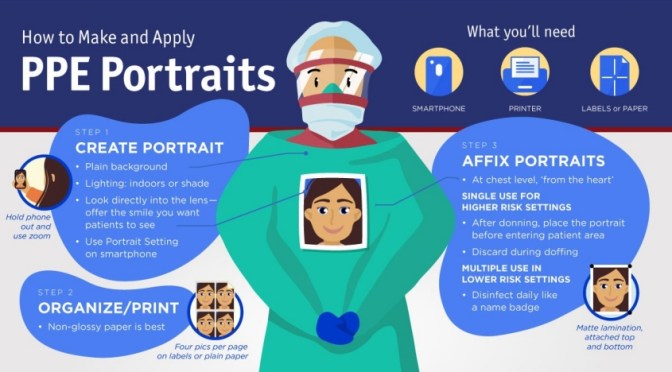
PPE Portraits are one possible solution: disposable provider portrait picture stickers (4×5) affixed to PPE where patients can see them. Our brief pilot showed signs of interest and adoption: a participating physician requested PPE Portraits at their clinic and masked medical assistant team-members required PPE Portraits to wear over scrubs.

How does it work? The Stanford Medicine team is taking a position that it is not unlike how a placebo works, ” we know that provider warmth and competence are positively associated with health at the biological level. Personal protective equipment (PPE) signals competence; portraits could be one of the only signals of warmth for patients who have, or may have, COVID-19. PPE Portraits are disposable portrait picture stickers (4×5 inches) put on PPE that can help patients and providers form a personal connection to positively impact patient health.

In a Smithsonian article, the project is described as “a way to reintroduce the aesthetic of kindness into patient care“. Fostering humanism is fostering an aesthetic of kindness. No surprise to the humanistfreedoms.com team!

The concept has been with Heffernan since at least 2014, based on an article on hyperallergic.com. Journalist Laura C. Mallonee quoted Heffernan as saying about an ebola epidemic in the news at the time, “Wouldn’t they be less frightening if the person on the inside was pictured on the outside?

A humanist approach could make a pandemic less frightening? No surprise to the humanistfreedoms.com team! Good ideas deserve to be shared.

Health care workers
Photo Courtesy of SmithosianMag.com (reference below)

If you are affiliated-with or aware-of an institution whose clientele may benefit by a PPE portraits launch or by participating in ongoing research, you may wish to consider contacting Cati Brown-Johnson or Mary Beth Heffernan.

If you found this article interesting, you may also wish to see these earlier articles:

  1. Critically Thinking About COVID 19 – Part I
  2. Critically Thinking About COVID 19- Part II
  3. Gold Humanism Society Inducts Class of 2021

Sources, Citations and References

  1. Featured Photo Courtesy of https://med.stanford.edu/pcph/research/ppe-project.html
  2. https://www.smithsonianmag.com/smart-news/health-worker-portraits-buoy-spirits-covid-19-patients-180974681/
  3. https://hyperallergic.com/199732/picturing-the-people-inside-ebola-hazmat-suits/

The views, opinions and analyses expressed in the articles on Humanist Freedoms are those of the contributor(s) and do not necessarily reflect the views or opinions of the publishers.

Humanist Wins 2020 Ottawa Book Awards

HumanistFreedoms.com is thrilled to celebrate the recent announcement that one of our favourite poets and humanists, Henry Beissel, is a winner of the 2020 Ottawa Book Awards.

Henry Beissel is a poet, playwright, fiction writer, translator and editor. He has published 44 books published including 22 collections of poetry. He lives in Ottawa with his wife Arlette Francière, the literary translator and artist. While copies of the critically acclaimed Cantos North(1980 & 2017) and a poet-autographed copy of Fugitive Horizons (2013) adorn our shelves, it was Beissel’s Footprints of Dark Energy (2019) which caught the eye of the Ottawa Book Awards jury (Paul Carlucci, Lyse Champagne, Amatoritsero Ede).

Jury Statement for Footprints of Dark Energy: Part Idyll, part love song and mostly about man in nature, Henry Beissel’s Footprints of Dark Energy approaches the sublime in its epic treatment of its subjects. The meditative undertones of the shorter poems coalesce into the epigrammatic wit of the long title poem, and all are bolstered by the narration’s majestic sweep. 

The title poem of this collection takes us on an epic journey across past and present historical events and through spaces defined by the natural sciences, as it explores the challenges of being human in these troubled times. It is accompanied by a gathering of shorter poems that confront the dark forces in our world as they struggle for the light at the end of the tunnel. In stark imagery, these poems turn words into music to celebrate the anguish and the glory of being alive.

Courtesy of Youtube and the ongoing COVID-19 social environment, you can enjoy a highly personal, yet socially distanced, reading by the poet himself:

Since 1985, the Ottawa Book Awards have recognized the top English and French books published in the previous year. Both languages have categories for fiction and non-fiction. All shortlisted finalists receive $1,000 and each winner receives a prize of $7,500. 

Footprints of Dark Energy

Winners of the 2020 Ottawa Book Awards were announced during a virtual ceremony on Wednesday, October 21, 2020, at 6:00 p.m. To watch a recording of the event, please visit:

Ottawa Public Library’s Facebook page!

Congratulations Henry! And well done! We admire the many contributions you have made to humanism and poetry.

Sources, Citations and References

  1. Featured Photo Courtesy of https://ottawa.ca/en/arts-heritage-and-events/ottawa-book-awards#2020-winners-and-finalists
  2. https://www.henrybeissel.com/
  3. https://www.cbc.ca/books/beverley-mclachlin-henry-beissel-win-2020-ottawa-book-awards-1.5772822
  4. https://ottawacitizen.com/entertainment/beverley-mclachlin-beissel-among-winners-of-ottawa-book-awards
  5. https://theworldnews.net/ca-news/finalists-announced-for-2020-ottawa-book-awards
  6. https://canlit.ca/article/gifts-for-the-journey/

The views, opinions and analyses expressed in the articles on Humanist Freedoms are those of the contributor(s) and do not necessarily reflect the views or opinions of the publishers.

BOOKS: Pre-order Opportunity

You may recall Ray Argyle from his July 2020 article here on humanistfreedoms.com. If you’re as crazy for the history of humanism and secularism as we are, you’ve been anticipating the release of his biography of George Jacob Holyoake for months. Well the pre-order opportunity is here!

What follows is the press-release information shared with us…and now with you.

Secularism, the world’s most widely applied model for the separation of church and state, has freed peoples and their governments from control by religious authority. At a time when it is being challenged by evangelical Christianity and fundamentalist Islam, Inventing Secularism, the first modern biography of secularism’s founder, George Jacob Holyoake, is scheduled for the Spring 2021 list of McFarland & Co.

Ray Argyle, Canadian biographer of French president Charles de Gaulle and American ragtime composer Scott Joplin, writes that George Holyoake “changed the life experience of millions around the world by founding secularism on the idea that the duties of a life lived on earth should rank above preparation for an imagined life after death.”

Jailed for atheism and disowned by his family, Holyoake came out of an English prison at the age of 25 determined to bring an end to religion’s control over daily life. He became a radical editor and in 1851 invented the word secularism to represent a system of government free of religious domination. Inventing Secularism reveals details of Holyoake’s conflict-filled life in which he campaigned for public education, freedom of the press, women’s rights, universal suffrage, and the cooperative movement. He was hailed on his death in 1906 for having won “the freedoms we take for granted today.”

More than 160 secular and humanist organizations around the world today advocate principles set out by George Holyoake in his newspaper The Reasoner and in hundreds of lectures as well as books and pamphlets.

Argyle’s Inventing Secularism warns that a rise in religious extremism and populist authoritarianism has put secularism under siege in countries ranging from the United States to such once staunchly secular nations as Hungary, Poland, Turkey and India. He writes that Holyoake “looked beyond his own time, confident of a future of moral as well as material good, offering an infinite diversity of intellect with equality among humanity.” 

Inventing Secularism, US$45.00, is available for pre-order at https://mcfarlandbooks.com/product/inventing-secularism.  

McFarland & Company, Inc., Publishers, is located in Jefferson, North Carolina, and is one of the leading publishers of academic and scholarly nonfiction in the United States, offering about 6000 titles in print.


Sources, Citations and References

Featured Photo Courtesy of https://rayargyle.com/a-radical-life/


The views, opinions and analyses expressed in the articles on Humanist Freedoms are those of the contributor(s) and do not necessarily reflect the views or opinions of the publishers.

Public Funded Education In a Pandemic

In the weeks leading up to Labour Day and the annual return to school, Canadian media outlets have provided ample coverage of the unprecedented stresses and challenges the COVID-19 pandemic have created for politicians and educators.

On September 1, 2020, CBC reported that Ontario’s school boards will need to ‘collapse’ some classes, trustees group says. It appears that school boards are coping with a dramatic increase in online learning in response to the pandemic. School boards and media covering Ontario’s education system have focused-on class sizes as a key element of funding agreements with the province.

On August 31, 2020 The Globe and Mail published an article stating that Ontario’s education unions file labour board challenge over school pandemic plans. The upshot is that Ontario’s four education unions are challening the provincial government’s approach to the coming school year….with a focus on smaller class sizes.

Back in July, The Toronto Star reported that Opening Ontario schools safely amid COVID could require up to $3.2 billion funding for staff, cleaning supplies, say Liberals, staff union.

What is absent from all of this discourse? Any evidence that educators, politicians or the media have recognized how fundamentally-flawed, ill-prepared and out-dated the design of Ontario’s education system is.

Who does seem to have recognized this issue? Administrators. CBC reported on September 2, 2020 that Ontario school boards lose 20% of education directors as daunting pandemic year looms, even quoting Alana Murray, a retiring Director in the Bluewater District that “I guess my timing was pretty good.”

The timing to recognize that Ontario’s publicly-funded education system is terribly outdated and badly in need of reform isn’t just “pretty good” – it is critical.

Federal and provincial governments are tripping over themselves, and each other, in hurried efforts to distribute supplies, maintain social distancing, fulfill online learning needs, negotiate with educate unions and sort our their funding agreements. How it will all be paid for is anyone’s guess. Or isn’t it everyone’s certainty that the costs of COVID-19, whether within the domain of education spending or across the whole public sector, will be paid via taxes?

Ontario’s government, whether anybody wants to admit it or not, is faced with a critical problem to redesign and modernize Ontario’s publicly-funded education system. No small part of that will be recognizing and addressing one of Ontario’s most expensive anachronisms – the ongoing public funding of separate Catholic schools. After COVID-19, we can’t afford it any longer.


Citations and References

  1. https://www.cbc.ca/news/canada/toronto/covid-classrooms-collapse-trustees-ontario-1.5708005
  2. https://www.cbc.ca/news/canada/hamilton/ontario-school-board-director-leaving-1.5708110
  3. https://www.theglobeandmail.com/canada/article-ontarios-education-unions-file-labour-board-challenge-over-school/
  4. https://www.thestar.com/politics/provincial/2020/07/27/opening-ontario-schools-safely-amid-covid-could-require-up-to-32-billion-funding-for-staff-cleaning-supplies-say-liberals-staff-union.html
  5. https://www.chroniclejournal.com/prairies/bc/alberta-to-dole-out-federal-funds-for-covid-safe-schools-on-per-student-basis/article_54bca2ee-a8b8-54c4-8ceb-bcad9d7e5d76.html

The views, opinions and analyses expressed in the articles on Humanist Freedoms are those of the contributor(s) and do not necessarily reflect the views or opinions of the publishers.

Featured Photo courtesy of Dr. Richard Thain

Critically Thinking About Covid-19 – Part II

You may wish to read Critically Thinking About COVID19 PART I first.

By: Dr. Christopher DiCarlo (June 26, 2020)

Over two months have now passed since my first commentary on the Covid –19 pandemic. And in that short time period, a lot has happened. When considering information and evidence regarding a novel new virus like Sars CoV – 2, we must constantly remember our knowledge limitations. And so it is always worth repeating and remembering what we might call Rumsfeld’s Rule:

“There are known knowns. There are things we know that we know. There are known unknowns. That is to say, there are things that we now know we don’t know. But there are also unknown unknowns. There are things we do not know we don’t know.”[1]

So at this point in time, what do we know, and what do we know we don’t know about this particular virus? 

Name Origin:

In case you’re wondering, there are very specific reasons why this particular novel corona virus is called Covid – 19. According to the Center for Disease Control:

On February 11, 2020 the World Health Organization announced an official name for the disease that is causing the 2019 novel coronavirus outbreak, first identified in Wuhan China. The new name of this disease is coronavirus disease 2019, abbreviated as COVID-19. In COVID-19, ‘CO’ stands for ‘corona,’ ‘VI’ for ‘virus,’ and ‘D’ for disease.[2]

In April 16, 2020, Whitehouse counsellor, Kellyanne Conway said: “Some of the scientists and doctors say that there could be other strains later on, that this could come back in the fall in a limited way. This is COVID-19, not COVID-1, folks,” Conway said. “You would think that people charged with the World Health Organization facts and figures would be on top of that.”[3] In response to this startling statement of ignorance, Congressman Bobby Rush stated the following:

Dear Kellyanne, you seem to be confused, so let me break it down for you:

CO: Corona

VI: Virus

D: Disease

– : that’s a hyphen

19: 2019, the year the virus was discovered (no, there haven’t been 19 corona viruses).

Do better.[4]

President Trump, on the other hand, has called Covid-19 many different things from the China virus, to the Wuhan virus, and on June 24th:

President Donald Trump seemed confused about the origin of the “19” in COVID-19 during his rally in Phoenix on Tuesday night as he riffed on various names for the novel coronavirus. “I could give you 19 or 20 names for that, right,” Trump told the student attendees, who were gathered for a rally organized by Students for Trump. He went on to give several examples including “kung flu,” a racist term targeting China, where the virus was first identified, that perhaps received the loudest cheer from the crowd. He continued: “I said, ‘What’s the 19?’ COVID-19, some people can’t explain what the 19, give me, COVID-19, I said, ‘That’s an odd name.'”[5]     

No, it’s not an odd name. It’s a perfectly rational, sane, and scientifically accurate term for a novel new virus. Enough said; moving on.

Origins:

From the World Health Organization (WHO) we find that the virus originally developed in Wuhan, China sometime in December, 2019 (perhaps earlier). In their findings, the WHO states the following:

While some of the earliest known cases had a link to a wholesale food market in Wuhan, some did not. Many of the initial patients were either stall owners, market employees, or regular visitors to this market. Environmental samples taken from this market in December 2019 tested positive for SARS-CoV-2, further suggesting that the market in Wuhan City was the source of this outbreak or played a role in the initial amplification of the outbreak. The market was closed on 1 January 2020.[6]

Since then, scientists have determined that the virus has an ecological origin in bat populations which rules out conspiracy theories that it was man-made or intentionally constructed in a laboratory. 

Many researchers have been able to look at the genomic features of SARS-CoV-2 and have found that evidence does not support that SARS-CoV-2 is a laboratory construct. If it were a constructed virus, its genomic sequence would show a mix of known elements. This is not the case.[7]

Some readers will remember the Severe Acute Respiratory Syndrome (SARS) outbreak of 2003. This was another coronavirus called SARS-CoV-1, and it too, found its origins in bats. But these viruses did not directly infect humans from bats but first infected other animals.

For example, SARS-CoV-1 infected civet cats and then humans, while the virus causing the Middle East Respiratory Syndrome (MERS-CoV) is found in dromedary camels, and has continued to infect humans since 2012.[8]

Currently, scientists are not sure what animal the bats infected which then transmitted the SARS-CoV-2 virus to humans. Some have proposed that it may be pangolins. For those of you who may have seen the movie Contagion, you will recall that the novel new virus in the movie developed when a bat dropped an uneaten piece of fruit into a pig pen which was then consumed by a young pig which then infected a chef who was Patient Zero who then passed it on throughout much of the human population worldwide.

Ethical Dilemma 1:

For over two decades my colleagues and I have been contacting Chinese and Canadian politicians in an effort to stop or at least curb the way in which such ‘wet markets’ operate in China. Aside from the different types of animals which are being offered at these markets and the manner in which they are treated, we have tried to bring attention to the fact that the history of agriculture in general is the central reason why such viruses are transmitted to humans in the first place.

Aside: In case you’re wondering, it was due to our ancestral domestication of animals around ten thousand years ago that has led to all of our seasonal colds and flus. If we were still nomadic, the rate of such maladies would hardly exist. But once humans and animals are in close contact, the likelihood of novel new viruses crossing over into human populations increases dramatically. Because of our close proximities to domesticated and wild animals, we need to become far

Dr. C DiCarlo
Dr. Christopher DiCarlo

more conscious of what’s called ‘microbial ecology’ – that is, the relationships of multi-species pathogens at the very tiny level of causation i.e. at the level of bacteria and viruses. We must become ‘germ-aware’ not germ-a-phobic of how such pathogens arise and infect the human population. We are constantly in an arms race against mutating pathogens. And if we can understand them better and stay ahead of them, we win. Otherwise, the outcome can be catastrophic.

The ethical question that emerges from our understanding of the origin of this (and other) virus is whether or not one country has the right to tell another what they can and cannot eat – even if such practices pose world-wide catastrophic effects to other countries.

Controlling the Spread of the Disease

As we saw in my first paper, what makes the spread of this virus particularly difficult to contain is that a significantly large percentage of those infected with it, show no symptoms. This characteristic – the fact that carriers can be asymptomatic – is the single greatest reason we are all living under the conditions we now find ourselves. 

We also noted that a global viral pandemic will always follow this exact pattern of reaction:

Testing, Isolation, Anti-virals, and Vaccine (or TIAV)

To return to our acronym – TIAV, let’s now look at each element in light of current information:

Testing:

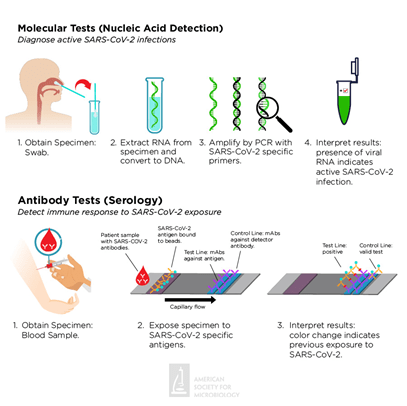
Basically, there are two types of tests available for Covid19: Molecular and Antibody.

Molecular Tests are also called nucleic acid detection/amplification tests and are also known as genetic, RNA (recombinant nucleic acid), or PCR (polymerase chain reaction[9]) tests.

Antibody Tests – also known as serology (or blood) tests.                        

Molecular Tests:

In Molecular Testing, nucleic acid amplification (RNA) testing requires respiratory samples from the patient because SARS-CoV-2 is a respiratory virus. And so nasopharyngeal swabs are most commonly used. And for those who have had one, the swab is shoved way – way, up the nose. Just ask Drake: “But yo, that test is uncomfortable though, they put that Q-tip all the way inside your thoughts!”[10] Yes, Mr. Drake is quite right. In order to assure that a sample contains the virus, a swab must reach a person’s nasopharyngeal region (where your respiratory tract meets your throat). This is where the virus first attaches and begins replicating. So there might be some slight discomfort or, as Morpheus told Neo in The Matrix: “This might feel a little weird.” But then it’s over and you can wait a few days for your results.

The next part gets a little complicated:

Samples are then processed and tested for SARS-CoV-2 RNA. The test includes extraction of RNA from the patient specimen, conversion to DNA and PCR amplification with SARS-CoV-2-specific primers.[11]

This ‘nucleic acid amplification’ reveals whether or not a patient is actively infected with SARS-CoV-2 by detecting the presence of characteristic sequences of SARS-CoV-2 genetic material (RNA) in respiratory samples of patients. 

Molecular tests can yield a false negative result if the level of viral RNA in a particular sample is too low for detection, and results can be skewed if steps are not taken to ensure that the tests are performing properly in the first place. The American Society for Microbiology has developed step-by-step verification procedures to help labs develop efficient and effective verification protocols for commercial EUA [Emergency Use Authorization] COVID-19 diagnostic tests. These procedures will help ensure that data is accurate.[12]

So if you have been tested for Covid-19, this is the type of test that will tell you if you are currently infected.

However, the antibody test is, in many ways, just as important because it informs scientists about who has been infected by the virus. This type of test allows us to better understand the extent to which a population has been infected.

Antibody Tests:

Antibodies are naturally occurring proteins produced by our immune systems which respond to various types of pathogens or infections. When pathogens (disease causing organisms) enter our bodies, antibodies attach themselves to antigens on their surfaces. When the antibody attaches to or ‘binds’ to an antigen, its sole purpose is to disable, stop, or ‘kill’ the pathogen through various means.

With antibody testing, scientists can determine if SARS-CoV-2-specific antigens are mixed with a person’s blood. If so, the two will bind to one another, resulting in a color change that marks the test positive. In this way, scientists can measure the amount of antibodies produced in response to the SARS-CoV-2 infection and does not test for the presence of the virus itself. Such a test, therefore, does not indicate if a person is currently infected – rather, it measures if they have been infected.

Important Findings and Caveats:

Antibody testing reveals if a patient has been exposed to the virus but does not tell whether an active infection occurred, or whether the antibodies produced are the kind that can prevent another infection. Furthermore, it does not reveal how long protective immunity to SARS-CoV-2 infection will last if developed. If we can determine those things, they will help inform decisions about the safety of returning to normal activities.[13]

There are several concerns regarding antibody testing. For example, such tests may yield a false negative result if the test is conducted too early and antibodies have not yet developed. As well, they can produce false positives if antibodies to coronaviruses other than COVID-19 are present (e.g., SARS-CoV and MERS-CoV). It is vitally important that such serology tests are carefully designed to determine specifically for the SARS-CoV-2 virus.

The value of such serological testing is to provide an understanding of the infection rates of the larger populations. This will assist in surveillance and tracking in an effort to control the spread of the virus.

Here is a good depiction of the two types of tests from the American Society for Microbiology:

Comparison of COVID-19 Molecular and Antibody Tests[14]

Currently, the number one problem with Molecular Tests which diagnose active Covid-19 infections is the time delay in getting results. When the tests first began in March, it took Ontarians up to five days to get their results. Since then, the time to receive results has improved but it still takes anywhere from 2-3 days. And this is problematic for a number of reasons.

First, there is considerable stress produced in waiting for the results while being barricaded away from family members somewhere in a home, apartment, etc. And second, people can be negative during a test, and then contract Covid-19 between the test time and the day they receive their results. If the test comes back negative, but they have since become infected, they may unknowingly infect others. We have to decrease the response time for Covid-19 testing. Luckily, there are plenty of companies working on this right now.

On the Government of Canada’s website page: ‘Testing devices for COVID-19: List of applications under evaluation’[15], states that there are 43 companies that have developed fast-resulting tests: 16 DNA and 27 Serological. But there is a problem. Before such tests can be used, they need to be examined and approved by Health Canada, the FDA, etc., for Emergency Use Authorization (EUA). So if you go to the website, you will find that the status for all 43 testing devices is largely “Under Review” (or “Awaiting Response from Manufacturer”).

To date, I have contacted 4 of the 16 companies working on DNA or diagnostic tests (3 Canadian, 1 UK): Spartan Bioscience, Precision Biomonitoring, Hyris Global Diagnostics, and the Centre for Biodiversity Genomics (CBD). Spartan Bioscience released their devices over a month ago, but they were recalled due to issues with their swabs and so will be re-releasing their revised units shortly. When I spoke with Federico Baldo (Business Developer) at Hyris Global Diagnostics, he said that they “…expect to be close to getting approved but unfortunately with these matters you can never know for sure.” He also added that he would be pleased to inform me when they received approval from Health Canada. And in speaking with the Director of the Centre for Biodiversity Genomics, Dr. Paul Hebert, I learned that his team has developed a rapid results-producing and inexpensive Covid-19 test. Currently, the average cost for a Covid-19 test is around $40.00/test. Dr. Hebert’s team can produce a better, faster test for $1.00/test. When I spoke to Dr. Hebert recently he told me that his team’s progress has been impeded by university regulations. When I first spoke with the CEO of Precision Biomonitoring, Dr. Mario Thomas told me that his company was simply waiting for approval from Health Canada which he then described as “imminent”. When I questioned him about the device’s accuracy, he stated: “We know our system works very well…in blind testing it had an accuracy rating of over 98%.” During the very last stages of revising this paper, Dr. Thomas contacted me to inform me that his company had received approval from Health Canada.[16] This is extremely encouraging news because, if successful, such devices could drastically reduce the number of infections within a given population. This is exactly the type of testing that is needed at this point in the pandemic. Let’s just hope there are many more such testing units produced to be massively distributed around the world and especially, to those places hardest hit.

Ethical Dilemma 2:

During a pandemic, when perhaps hundreds of thousands of lives are at stake, what should be the protocol for monitoring and considering new technologies? For example, what is the hold up with Health Canada? We all want to be assured that tests are accurate and reliable. But at the same time, we want to save lives. What is the ethical balance between the two? For every day delayed, thousands of lives are lost. But we can’t risk making the situation worse by rushing approval for devices that may be inaccurate.

In my next entry, I will definitely be contacting officials at Health Canada to learn more about their policies and procedures during a pandemic.

What is Still Needed: Rapid Response Testing

As I mentioned in Part I, the Holy Grail of testing for Covid-19 would be a fast and accurate home test that anyone could use. Right now, this doesn’t exist. But there are some companies working on making this a reality. For instance, in South Africa, Canary Health Technologies has produced a proto-type breathalyzer that is currently undergoing test trials.[17]

If such testing units were to become widely available for public/private use, this would be a game-changer in a significant way. Governments could ease travel restrictions considerably; people could meet in larger gatherings; sporting events could return to some semblance of normalcy, etc. However, at this point in time, such devices simply do not exist. And there is a big gamble in developing such testing units. If, for example, these units took longer to perfect than a vaccine, then a lot of money in research and development will be wasted. However, if a vaccine is months or even years away, then such a device would be extremely effective in easing quarantine or travel restrictions.

The single greatest need at this point in the pandemic continues to be rapid, accurate, testing capabilities. Otherwise, isolation alone, would once again become our greatest defense. However, not everyone seems to be onboard with the value of testing. On June 21, 2020, in a less-than-half filled auditorium in Tulsa, Oklahoma, the President of the United States, Donald Trump, said the following:

“When you do testing to that extent, you’re going to find more people, you’re going to find more cases,” Trump said. “So I said to my people, ‘Slow the testing down, please.’ They test and they test.”[18]

In what appears to be a direct flouting of consistency and logic, some members of Trump’s administration claimed it was said tongue-in-cheek while the President followed up by saying: “I don’t kid. Let me just tell you, let me make it clear.”[19] Whether or not he was kidding, it was a ridiculous thing to say and undermines what every health official in the world has been calling for: massive increases in testing.

By using Critical Thinking, we can now state that, as a conditional, if any company could produce millions of fast and accurate devices for use around the world, then it logically follows that we will be better enabled to determine positive and negative cases and track infection rates much more accurately. This, in turn, will allow for the greater mobility of human populations.

Isolation:

Although isolation restrictions have eased in various places around the world, cases continue to rise in places like the US, India, Brazil, and others. Ontario has recently entered Stage II of reopening[20] which allows various businesses to re-open, and gatherings of 10 people or less. Some believe this decision may be premature. Time will tell. What is important to consider at this point is how well people will remain vigilant in physical distancing and wearing masks.

In the US, a movement has begun which identifies the wearing of a mask as an impingement on human rights. As much as the Democrats and Republicans have been polarized on important issues, one more issue which has been added to the list is the wearing of masks for personal and public protection. Many on the left tend to side more with the expertise of scientists, public health doctors, etc., while many on the right tend to be somewhat suspicious of science and view the wearing of a mask as not only unnecessary but as a symbol of oppression. The evidence speaks for itself:

Though masks alone will not completely halt the spread of the virus, recent research has shown that wearing them is the most efficient way to stop its transmission. [Dr. Anthony] Fauci, at a recent talk, said everyone should wear a mask in public and it “should not be a political issue. It is purely a public health issue.”[21]

Although this again appears to be another case of autonomy vs. paternalism i.e. how much freedom should the public have vs. how much control should the government exercise over them, whatever one’s political stripe, remember: Nature always wins. And the greatest defense we have against this virus right now is, and always will be, scientific knowledge.

Ethical Dilemma 3:

With Stage 2 of the Province of Ontario’s ‘Reopening’, what are the legal and moral ramifications for employers asking their employees to return to work? We were all informed at the start of the pandemic that nobody would lose their job as a result of self-isolating at home. But now that travel and activity restrictions have eased, what happens if someone still feels uneasy about returning to work? What measures are being taken to assure their safety? According to the Ontario Government’s report: A Framework for Reopening our Province:

Keeping workplaces, employees and the general public safe as Ontario gradually reopens is essential for making the reopening of the province a success. That is why we are providing people, businesses and communities with the guidelines they need to prepare for Stage 2. The government and its health and safety association partners have released more than 100 health and safety guidance documents for multiple sectors, as well as a guidance document for essential workplaces. These documents, available at Ontario.ca/covidsafety, will cover businesses able to open in Stage 2. More guidance will be available as Ontario continues to move through the next stages of reopening and recovery. To reopen safely, employers must review the workplace health and safety guidance and ensure that appropriate measures are in place. Employers must also meet all existing occupational health and safety requirements.[22]

So these touch on the legal aspects regarding easing restrictions and gradually returning to work. But what about the moral/ethical considerations? What if someone is immuno-compromised? Or suffers from anxiety? Or simply doesn’t feel safe in such a workplace environment? What will be the new set of guidelines or policies and procedures for returning to work as we progress through the rest of this pandemic? Again, there are no easy answers, but just a few of the pressing questions we should start thinking about now.

By this point in the pandemic, I sincerely thought we would have had better, more rapid, and more accurate widespread testing available. I am disappointed that people continue to suffer and lives are being lost because we do not have these services up and running throughout the world. Hopefully, once Health Canada gives the ‘green light’ to some of the proposed testing devices, we can generate the much-needed testing at the facilities which require it the most: hospitals/clinics, retirement communities, prisons/penitentiaries, supply chains, food services, etc. Until then, unfortunately, all we can do is wait.

Anti-Virals:

In my last paper, I had mentioned several developments involving anti-viral medications. Since then, we have discovered that President Trump has been taking the anti-malarial drug: hydroxychloroquine as a prophylactic i.e. preventive measure, to avoid contracting Covid-19. Although studies have indicated that there is no evidence that such a drug has a preventative effect on this particular strain of the coronavirus, when asked why he was taking the drug (along with zinc), Mr. Trump responded with the apparent argument: “I’m not gonna get hurt by it…Here’s my evidence: ‘What do you have to lose?’” All of Mr. Trump’s evidence is based on a rhetorical question regarding harm. In other words, he’s making us infer his conclusion which is: “He has nothing to lose.” Not only is this a false premise, for he could possibly lose his life due to heart or other complications, it is simply a factually false statement. If there was an award for an argument’s failure to satisfy any and all logical criteria, Mr. Trump would be the grand master in this case.

Ethical Dilemma 4:

What if, based on Donald Trump’s beliefs and actions that hydroxychloroquine should be taken because people have “nothing to lose”, some of his followers copied his behaviour and became seriously ill or died? For example, if people believe that hydroxychloroquine[23] should be taken to ward off Covid-19 and as a result of side effects, die, should there be any legal or moral recourse against the President for spreading false and highly dangerous information? To consider this in some context, Trump’s actions were so stunning, that Fox’s own Neil Cavuto put out an Emergency Fox News Alert saying: “If you are in a risky population here, and you are taking this as a preventative treatment … it will kill you. I cannot stress enough. This will kill you.”[24] So if the President’s actions and/or advice e.g. injecting bleach or shining UV radiating into one’s body, harms another person, is he morally blamable? Legally culpable? Both? Neither?

Although there is no compelling evidence that hydroxychloroquine successfully prevents people from contracting the Covid-19 corona virus,[25] a recent major study in support of these findings was pulled from the leading science journal, The Lancet:

The online medical journal The Lancet has apologized to readers after retracting a study that said the anti-malarial drug hydroxychloroquine did not help to curb COVID-19 and might cause death in patients. The study was withdrawn because the company that provided data would not provide full access to the information for a third-party peer review, saying to do so would violate client agreements and confidentiality requirements, The Lancet said in a statement. “Based on this development, we can no longer vouch for the veracity of the primary data sources. Due to this unfortunate development, the authors request that the paper be retracted,” The Lancet said in a statement. The study was published May 22, with researchers from Brigham and Women’s Hospital in Boston using data and analysis provided by Surgisphere Corporation. The study was massive, with information coming from 671 hospitals around the world and the medical records of 96,000 patients.[26]

It was concluded in the study that researchers found that hydroxychloroquine not only didn’t help prevent or ease the effects of Covid-19, it actually caused heart problems and increased the likelihood of death. This led the WHO and other agencies to stop research into its efficacy.

Keep in mind that the results of the study are not in question; simply the protection of private information of those in the study has stopped third parties from confirming or falsifying the findings of the study. In science, this is the responsible thing to do; even if it raises doubts or questions regarding the truthfulness of the study.

There has, however, been some encouraging news in the development of antivirals. In the last paper, I mentioned that the drug, Remdesivir, had passed various randomized placebo controlled trials with 1090 test subjects which demonstrate “…a clear-cut significant, positive effect in diminishing the time to recovery”.[27] Since then, remdesivir has become a much-needed drug in reducing inflammation in patients suffering from Covid-19. Such a drug can reduce a patient’s time in ICU by up to five days and has quickly become a very popular drug world-wide; so popular, that Mr. Trump decided to buy up the world’s entire supply:

The US has bought up virtually all the stocks for the next three months of one of the two drugs proven to work against Covid-19, leaving none for the UK, Europe or most of the rest of the world. Experts and campaigners are alarmed both by the US unilateral action on remdesivir and the wider implications, for instance in the event of a vaccine becoming available. The Trump administration has already shown that it is prepared to outbid and out-manoeuvre all other countries to secure the medical supplies it needs for the US. “They’ve got access to most of the drug supply [of remdesivir], so there’s nothing for Europe,” said Dr. Andrew Hill, senior visiting research fellow at Liverpool University.[28]

The Trump administration has purchased more than 500,000 doses of remdesivir from the manufacturer Gilead, which accounts for all of their production for July and 90% of their production for August and September. The patent for the drug is held by Gilead which means that no other manufacturer in the world can produce it.

Ethical Dilemma 5:

During situations like pandemics, to what extent should a major drug manufacturer prioritize who should receive their product or sell to the highest bidder? It costs billions to develop medications. So why should a company lose money by fairly distributing its product when they stand to make far more money for their stakeholders? And is there any ethical obligation for lessoning restrictions on their patent of the drug so that it may be produced in other countries? On the one hand, a drug company is in business to make money. On the other hand, they are involved in a humanitarian enterprise. There are no easy answers or solutions but when one country buys up an entire supply of a life-saving drug to the exclusion of all other countries, it does trigger our ‘fairness detectors’ and makes us wonder if such an act is ethically justifiable.

At this point in time, we have seen another drug make its way into the antiviral arsenal and it’s called dexamethasone.

Dexamethasone, a cheap, widely-available steroid, is the latest drug touted by experts in the UK as a possible treatment for COVID-19, with evidence suggesting that it can successfully reduce deaths from the virus by up to one third in severely-ill patients. After researchers at the University of Oxford announced the headline results on Tuesday – with the full results to be released later this month – the British government immediately authorised its use in treating coronavirus patients. It’s not the first time during the coronavirus pandemic – which has killed 438,000 people worldwide – that a drug has been touted as a treatment for COVID-19, famously by the U.S. President Donald Trump, who controversially tweeted that he was taking the anti-malarial drug hydroxychloroquine. Interestingly, it was the same researchers at Oxford that proved hydroxychloroquine did not work that suggested that dexamethasone could.[29]

Although it is still fairly early in the pandemic, some scientists have said that this new treatment might be a game-changer in the treatment of those who have been most severely affected by the virus. By my next installment, we should know better as to the efficacy of this particular antiviral treatment.   

Vaccines:

Since my first paper, there has been quite a bit of research and development of vaccines for Covid-19. Although the  re is a rigorous 3-phase procedure for developing and testing vaccines, scientists and healthcare experts are confident that one will be ready within the next six months:

COVID-19 vaccine candidates will enter late-stage clinical studies by the end of the month, with others beginning in August, September and October, the U.S. government’s top infectious diseases expert said on Thursday. The news comes as Moderna Inc, which is at the forefront of the country’s vaccine development efforts, reiterated earlier in the day that a late-stage trial with 30,000 volunteers would begin this month. “We may be able to at least know whether we are dealing with a safe and effective vaccine by the early winter, late winter, (or) beginning of 2021,” Dr. Anthony Fauci, head of the National Institute of Allergy and Infectious Diseases, said in an interview to JAMA Network. Earlier on Thursday, Dr. Francis Collins, the director of the U.S. National Institutes of Health, said the Trump administration’s vaccine-acceleration program could generate a safe and effective COVID-19 vaccine by year-end.[30]

But developing a vaccine for such a novel new virus like SARS-CoV-2 is not an easy task. And it takes time. Because we now live in what I have been calling the Age of Immediacy where information and options are available in seconds, the world has gotten in the habit of expecting medical breakthroughs to function like Amazon i.e. same-day shipping. But scientific research does not work this way. It takes time because we want to do things properly and safely. I am not sure who the above-mentioned 30,000 volunteers will be. But I do know that there is already a movement underway which brings together volunteers who wish to sacrifice their own bodies in an effort to speed up the testing trials of new vaccines. Known as ‘1 Day Sooner’[31] the movement is comprised of volunteers who want to engage in what’s called Human Challenge Testing which bypasses current ethical standards and safety measures in order to help with the development of a new vaccine. They believe that if they can help develop a vaccine one day sooner than it normally would have been, they will have saved thousands of lives. It is indeed a noble movement. But it leads to some ethical considerations:

Ethical Dilemma 6:

Should people be allowed to offer their bodies as ‘guinea pigs’ to be subjected to vaccination trials for Covid-19? Such trials would involve the injection of vaccines and then the infection of the SARS-CoV-2 virus in an effort to determine efficacy. It raises questions again of paternalism vs. autonomy i.e. who has the right to say what people do with their own bodies? If I could sell some of my organs to make money in some parts of the world, why can’t I offer my body as a trial host to speed up the development of a new vaccine?

Although the WHO does not sanction the wishes of such 1 Day Sooner volunteers, it did make a statement saying that if such testing were to be allowed, subjects would have to be healthy, between the ages of 18 and 30, use a safe dose of the virus i.e. one which causes illness but not severe disease, and test in secure facilities to avoid infecting others. To date, there has been no official approval of such Human Challenge Testing because as the WHO notes, there is no “escape treatment” which could rescue any test subjects if they became severely infected i.e. no one yet knows what a “safe dose” of the virus is.

With 38 vaccine trials currently underway around the world[32], we have little choice but to wait and hope. Many experts in the field of immunology believe that it’s not so much a matter of ‘if’ but ‘when’ such a vaccine will be available but currently can give no definitive estimated time of arrival. In March, Dr. Anthony Fauci stated that it would take a year to 18 months before a vaccine was available. Although we may see one developed before then, Fauci and Dr. Francis Collins (Director of the National Institutes of Health) recently stated in the journal Science that perhaps multiple vaccines may be needed in order to inoculate billions of people worldwide.[33] We must also anticipate the possibility that even if a vaccine is developed and distributed worldwide, it is unlikely to be 100% effective. To put things into perspective the MMR (measles, mumps and rubella) vaccine is 97% effective in prevention and our seasonal flu shots come in at around 60% effective. Nonetheless, such a vaccine, combined with other protective measures e.g. physical distancing, mask-wearing, hand-washing, etc., should prove largely effective in defeating the virus throughout the world.

Recommendations – What Needs to be Done Now:

What the world needs right now is the development and distribution of hundreds of thousands of portable, fast, and accurate testing devices throughout the world – especially those countries most affected. Within our own province and country, all hospitals, retirement homes, police, ambulance, and fire stations, all supply side and food distributors and processors, migrant workers, borders, airports, bus stations, etc., must be equipped with such devices as soon as they become approved.

REMEMBER: This virus spreads largely because of people who are asymptomatic –which represents anywhere from around 20% to 50% of the population. And the only way to determine who has the virus is through proper testing. People who feel well, but are infected, run the risk of infecting hundreds of others. Until we have the appropriate number and types of testing devices in place, we have no choice but to rigorously practice physical distancing, isolation, and wearing masks.

Caveats:

I am deeply concerned that many countries around the world – especially in the northern hemisphere – are lifting isolation restrictions too much and too quickly. This will invariably lead to the spiking of cases in specific parts of the world. We are unfortunately seeing this occur in many states in America.[34] When the warm weather and sunshine of the summer arrives, many people are naturally drawn to the outdoors. Psychologically, we subconsciously think that the summer is not a time of the year to be sick. And we’ve heard that the Covid-19 virus doesn’t survive as well in warmer weather. Combine this with the fact that many people are facing what has been called ‘quarantine fatigue’[35] along with the recent #BLM protests, and you have the perfect storm of causalities which will, unfortunately, lead to a considerable spike in cases.

Ethical Dilemma 7:

With the recent death of George Floyd, many people around the world took to the streets to protest against black racism and injustice. While the world applauds the right to assembly and protest, we must also keep in mind that this (or any) virus doesn’t care about human rights. It doesn’t care about anything. It’s simply a small, replicating, machine which needs biological hosts to reproduce. No matter how noble our causes, SARS-CoV-2 doesn’t care one bit about our politics. And so we are left with another ethical consideration regarding the delicate balancing act of allowing massive assemblies of people vs. the avoidance of physical contact. Once again, this is another example of autonomy vs. paternalism. That is, we want people to be free to demonstrate their rights and to be able to assemble and protest. But in so doing, how many more lives might be lost due to the spreading of this virus? How do we balance the right to peaceful assembly with the various pandemic conditions placed on physical distancing?

Conclusion:

Let’s never forget that now, more than ever, it is time to use our prefrontal cortexes rather than our limbic systems. During these stressful and difficult times, we need to think critically, not emotionally, about our next steps. And we must be vigilant in using Critical Thinking and Ethical and Scientific Reasoning in meeting and resolving our challenges. For these are the systems of thought that will save lives and get us through this pandemic. Let us not forget this when we get to the other side.  


[1] https://academic.oup.com/jxb/article/60/3/712/453685

[2] https://www.cdc.gov/coronavirus/2019-ncov/faq.html

[3] https://www.bostonglobe.com/2020/04/16/nation/this-is-covid-19-not-covid-1-folks-kellyanne-conway-mistakenly-suggests-name-virus-means-multiple-versions/

[4] Ibid.

[5] https://www.businessinsider.com/whats-19-trump-confused-over-covid-19-name-skips-mask-2020-6

[6] https://www.who.int/docs/default-source/coronaviruse/situation-reports/20200423-sitrep-94-covid-19.pdf

[7] Ibid.

[8] Ibid.

[9] PCR is a laboratory technique which can make many copies of a specific segment of DNA. It is a very precise technique and can be used to amplify, or copy, a specific DNA target from a mixture of DNA molecules. This helps to determine if specific pathogens (like viruses) are present.

[10] https://www.huffingtonpost.ca/entry/drake-covid-19-test_ca_5e7678a5c5b6f5b7c5455933

[11] https://asm.org/Articles/2020/April/COVID-19-Testing-FAQs

[12] Ibid.

[13] Ibid.

[14] Ibid.

[15] https://www.canada.ca/en/health-canada/services/drugs-health-products/covid19-industry/medical-devices/testing/applications.html

[16] https://www.newswire.ca/news-releases/health-canada-authorizes-precision-biomonitoring-to-import-and-sell-biomeme-s-sars-cov-2-real-time-rt-pcr-test-in-response-to-covid-19-869985862.html

[17] https://www.the-scientist.com/news-opinion/in-south-africa-covid-19-breath-test-trial-set-for-june-67631?utm_campaign=TS_OTC_2020&utm_medium=email&_hsmi=89795891&_hsenc=p2ANqtz–HvBYXCH3NS4mcSIww-QaBFGQDbG1270hcvlF1ESlR1GOfCHWo8LNX8vFiyCkRgFQbdufomZwpUyAv1l3plEqdkrAJkg&utm_content=89795891&utm_source=hs_email

[18] https://khn.org/morning-breakout/joking-or-not-trumps-slow-the-testing-down-statement-stands-out-from-tulsa-rally/

[19] https://www.cnn.com/2020/06/22/politics/donald-trump-testing-slow-down-response/index.html

[20] https://www.ontario.ca/page/reopening-ontario

[21] https://www.theguardian.com/world/2020/jun/29/face-masks-us-politics-coronavirus

[22] https://files.ontario.ca/mof-framework-reopening-province-stage-2-en-2020-06-08.pdf

[23]https://theintercept.com/2020/05/19/alarm-confusion-fox-news-trump-says-takes-hydroxychloroquine/

[24] Ibid.

[25] https://www.cebm.net/covid-19/hydroxychloroquine-for-covid-19-what-do-the-clinical-trials-tell-us/

[26] https://www.webmd.com/lung/news/20200605/lancet-retracts-hydroxychloroquine-study

[27] https://twitter.com/NBCNews/status/1255541788154224641

[28] https://www.theguardian.com/us-news/2020/jun/30/us-buys-up-world-stock-of-key-covid-19-drug

[29] https://www.euronews.com/2020/06/17/what-is-dexamethasone-the-new-drug-being-used-to-treat-covid-19

[30] https://www.theglobeandmail.com/world/article-covid-19-vaccines-to-enter-late-stage-trial-by-end-of-july-dr/

[31] https://1daysooner.org/

[32] https://www.raps.org/news-and-articles/news-articles/2020/3/covid-19-vaccine-tracker

[33] https://science.sciencemag.org/content/368/6494/948

[34] https://www.nytimes.com/2020/06/25/world/coronavirus-updates.html

[35] https://www.theatlantic.com/ideas/archive/2020/05/quarantine-fatigue-real-and-shaming-people-wont-help/611482/


The views, opinions and analyses expressed in the articles on Humanist Freedoms are those of the contributor(s) and do not necessarily reflect the views or opinions of the publishers.

Featured Photo Courtesy of: https://www.baystatehealth.org/covid19