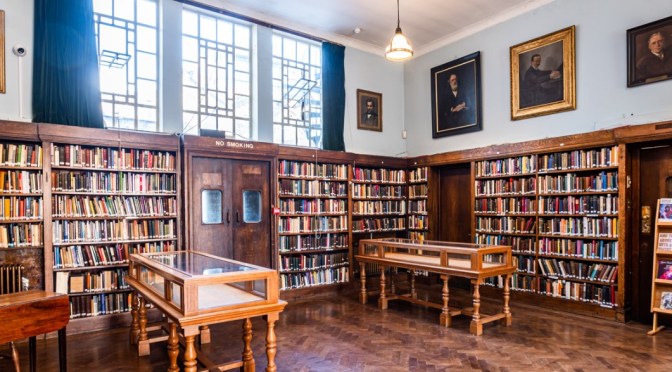
Humanists UK and Conway Hall are delighted to announce the award of a grant of just over £160,000 from The National Lottery Heritage Fund to expand the work of the Humanist Heritage project. Humanist Heritage uncovers the untold story of humanism in the UK – a story of people, groups, objects, places, movements, publications, and ideas.
Made possible by money raised by players of the National Lottery, the new two-year project – ‘Humanist Heritage: doers, dreamers, place makers’ – focuses on the remarkable freethinkers and activists who changed the world, and the communities they built around them. The project will combine digital interpretation with artistic response and public programming.
This year, a new interactive virtual tour of Conway Hall, London – one of the only two surviving buildings in the UK built by and for humanists – will enable people near and far to virtually visit this unique space for the first time, learning more about the rich history contained there. This will include school groups, university students, and those who – with no lift access to rooms above the ground floor – are unable to visit the library or main hall balcony in person.
From the life and work of its namesake, Virginia-born abolitionist and social reformer Moncure Conway, through a 130 year tradition of Sunday concerts, to the meetings and activities of LGBT Humanists (founded in 1979 as the Gay Humanist Group), there will be plenty for users to discover. 2024 will mark the 45th anniversary of LGBT Humanists, offering further opportunities to highlight its groundbreaking work and vibrant community through collaborations, exhibitions, and public events.
Research will be underpinned by Conway Hall’s vast library and archive, the largest and most comprehensive humanist research resource of its kind in the United Kingdom, as well as by the special collections at the Bishopsgate Institute. Personal stories will also be heard through the gathering of oral histories, offering insights impossible to capture from written materials alone.
The project will offer volunteers the chance to assist in the digitization, interpretation, and sharing of these collections and their stories. As well as shedding new light on the history and influence of non-religious people in the UK, these help to illuminate a vast range of themes and issues still resonant and relevant today, including work for freedom of speech and of the press, efforts to gain the vote, providing ceremonies, creating communities around shared values and ideals, and championing equality for women, ethnic minorities, and LGBT people. It also includes creators of art, literature, music, and song – all of which will be used to inform and inspire a new generation of artists and activists.
These various project strands represent a vibrant and ongoing history of challenging the status quo, and of creating space – physical and metaphorical – to foster community. The project will reveal, explore, and share this inspiring heritage, encouraging audiences and participants to see themselves as inheritors of the rights won and tradition revealed.
Commenting on the award, Humanist Heritage Coordinator Madeleine Goodall said:
‘We are so excited to have received this support thanks to National Lottery players and are looking forward to working closely with Conway Hall to celebrate these unsung heroes, and engage more people than ever before.
‘This grant gives us a transformative opportunity to explore the rich history of humanist activism in brand new ways, to discover even more about it, and to tell the story through the incredible space and collections of Conway Hall.’
Holly Elson, Head of Programming at Conway Hall, said:
‘We are delighted to be working with Humanists UK on this exciting project, and extremely grateful to The National Lottery Heritage Fund for supporting our work to increase access to these fascinating collections and stories. Working with artists, community groups, and young people will enable new perspectives and vibrant interpretations to be drawn from our historic spaces and archival material, and provide an exciting opportunity to explore their continuing relevance today.’
Director of Understanding Humanism Luke Donnellan commented:
‘Today more and more people are discovering a connection with the humanist worldview. This ongoing funding of the Humanist Heritage project will help to raise awareness of the rich and influential history of this approach to life. The resources will be of great value to students and teachers, of whom several supported the bid, as well as the wider public, and will bring learning about an often hidden history to life in new and exciting ways.’
Citations, References And Other Reading
- Featured Photo Courtesy of : Conway Hall, UK
The views, opinions and analyses expressed in the articles on Humanist Freedoms are those of the contributor(s) and do not necessarily reflect the views or opinions of the publishers.
By continuing to access, link to, or use this website and/or podcast, you accept the HumanistFreedoms.com and HumanistHeritageCanada.ca Terms of Service in full. If you disagree with the terms of service in whole or in part, you must not use the website, podcast or other material.

 Humanist Heritage Canada