Critical thinking about the social impacts of technology is becoming urgent, particularly in a scenario of emerging technologies such as artificial intelligence and algorithmic automation. Global digitalisation continues to widen the inequality gap as well as the digital divide, as digitalisation is not happening equally all over the world.
The event aims to explore how to build a digital transition that does not leave anyone behind, protects and reinforces human rights in the digital age, and places both people and the planet at the centre of the technological deployment.
It will assemble top-leading thinkers and doers who will discuss, identify, and address the challenges our societies are facing from a human-centred technological perspective, through themes such as Digital Inclusion, Ethical Artificial Intelligence and Digital rights.
When Monday, November 15th 9:30 h – 18:30 h CET
Where Hospital de la Santa Creu i Sant Pau, Barcelona.
The event will take place in Barcelona on November 15th and it will also be streamed online. Please select below the registration option you prefer. Registration for the in person and online modalities is free.
All sessions will have simultaneous translation in Spanish, Catalan and English.
In case you have already registered and need to do a modification, please click on ‘View/Edit your registration’.
If you’ve spent more than a few minutes around humanism…or science fiction….or robots….you already know who Isaac Asimov is. We don’t need to tell you that.
We probably also don’t need to tell you much about the Foundation books. We do need to tell you that there’s a new TV series based on those books. The shows AppleTV website says the show is “Based on the award-winning novels by Isaac Asimov, Foundation chronicles a band of exiles on their monumental journey to save humanity and rebuild civilization amid the fall of the Galactic Empire.”
Oh…and also “Cerebral sci-fi drama has diversity and some violence.” What an interesting combination of traits that seemed necessary to advertise.
The show premiered on September 24, 2021 and appears to encompass ten episodes in the first season. How much of Asimov’s original vision and humanism will survive in this big-budget television film version? It’s very difficult to tell at this time. What we can say is the makers have an excellent (ahem) foundation to build upon.
The views, opinions and analyses expressed in the articles on Humanist Freedoms are those of the contributor(s) and do not necessarily reflect the views or opinions of the publishers.
In our search for interesting, challenging and critical perspectives on contemporary humanism, we occasionally find articles published via other venues that we think humanistfreedoms.com readers may enjoy. The following article was located on SAGE Open, an open-access publishing source. Dr. Robertson has kindly provided a brief opening paragraph for HumanistFreedoms.com. (Note that bold features are ours and may not coincide with any emphasis that Dr. Robertson might prefer.)
The Medicine Wheel Revisited: Reflections on Indigenization in Counseling and Education
Enlightenment humanism seeks universal values common to the human condition. For example, in humanism the dignity of the person is valued regardless of the race, creed, sex, sexual orientation, ethnicity or geographic location of that person. Similarly, empirical scientific truth will apply to all individuals, irrespective of divinely given alternate “realities” that are subjectively held. In this article I argue that the methods of science and reason that makes such a naturalistic understanding possible are compatible with traditional aboriginal worldviews, but that each culture must ground the Enlightenment to its traditions for that culture to participate equally in the scientific revolution. I call this process of adapting new technologies to local cultures “indigenization.” I recommend a secular approach to indigenization relating modern conceptual thought to traditional cultures in a way that is consistent with traditional constructs. In this article, I use the ancient medicine wheels found on the Great Plains of North America to illustrate how this could be done.
This article is peer reviewed and was first published by SAGE Open as “open access.” It may be referenced: Robertson, LH. (2021) The Medicine Wheel Revisited: reflections on indigenization in counselling and education, Sage Open, 11(2) 1-11 DOI: 10.1177/21582440211015202
Abstract
Indigenization involves relating traditional cultures to modern methods, concepts, and science to facilitate their use by those populations. Despite attempts to indigenize both the practice of counseling and the content of educational curricula, mental health and educational deficits in Amerindian communities have remained. This article suggests indigenization in the North American context is often based on a reified view of culture that discounts naturalistic and scientific approaches, and that this dynamic inhibits progressive cultural change at institutional and community levels. A secular approach to indigenization is proposed that relates modern conceptual thought to traditional cultures in a way that is consistent with traditional constructs. The medicine wheel, traditional to North American Great Plains cultures, is applied to counseling to illustrate how concepts found in aboriginal cultures could inform modern practice with wider applications to curriculum development. Related tensions involving interpretations of aboriginal spiritualities and modernity are discussed.
As Director of Lifeskills for the Saskatchewan Indian Federated College in Regina, Canada, during the 1980s, I would be asked, “Why do we (aboriginal people1) always have to become more like them (non-aboriginal people), why can’t they become more like us?” While modern North American cultures are constituted by the histories of their constituent peoples, including those aboriginal to the continent,2 these students were actually voicing alienation from a modern educational system that emphasizes mathematics, logical constancy, and chronological time delineated behavior—skills that were not indigenous to Canadian hunter-gathering societies. Attempts to rectify such alienation have included calls for the indigenization of curricula that are pictured as “western” or “European” (Barman et al., 1986; Louie et al., 2017).
Counseling is also pictured as Euro-American and unsupportive of aboriginal cultural traditions (McCormick, 1996; Poonwassie & Charter, 2001; Sojonky, 2010) with the result that some aboriginal students are unwilling to see nonnative counselors (Dolan, 1995). Indigenization in this context is a process whereby an imported psychology is transformed in ways that are appropriate to the local culture (Adair, 2006).3 Indigenization may be understood as the appropriation of technologies, practices, or systems of conceptual thought in ways that accord with the receiving culture.
Swidler (1986) redefined culture as excluding change to technology and material artifacts while including “beliefs, ritual practices, art forms, and ceremonies, as well as informal cultural practices such as language, gossip, stories, and rituals of daily life” (p. 273). Although technologies and artifacts per se may not be part of culture, the ways that they are used and interpretive significance given them would be. In this article, cultures are held to be fluid concepts consisting of generally shared experiences or generic representations that may be called cultural schemas common to populations linked by tradition (Quinn, 2011). As counseling and education can effect change in the mental schemas held by clients and students, the acquisition of the knowledge, attitudes, and skills required by them to participate successfully in modern economies will inevitably lead to change in their family and community cultures. The alternate view that cultures are defined entities as opposed to fluid concepts leads to at least two important corollaries: (a) a person could have incompletely or inadequately learned a culture with which he or she identifies or is otherwise assigned making that person a less worthy representative; and (b) speakers from a defined culture may make knowledge claims that are at variance with those made by speakers from other cultures but are nonetheless of greater truth for the represented cultural group. Representative of this perspective on culture, a peer reviewer of an earlier version of this manuscript asked whether the author was aboriginal and writing from an indigenous perspective. Had I identified as a person with aboriginal ancestry, I could still have been accused, under this paradigm, of not taking an “aboriginal perspective.” Such a static and defined view of culture is similar to a religiously held dogma in that deviations from a prescribed belief system are proscribed.
The goal of this article is to suggest a paradigm of dynamic cultural change compatible with secular enlightenment that is rooted in cultures indigenous to North America. Using the concept of the medicine wheel as a metaphor for traditional cultural knowledge generally, it is argued that the practice of indigenization in counseling and curriculum development will contribute to progressive change. World views based on a static or essentialist view of culture, it will be argued, have impeded participation in the modern economy by aboriginal peoples.4 It is suggested that historical and interpretive factors used in advancing the essentialist view are in need of reexamination. We begin by establishing a case for such a reframe.
Stalled Education: Colonization and “Indian Control”
Education is an important value in human cultures. Goulet and Goulet (2014) identified three forms of the teaching-learning process conceptualized in the indigenous Cree language: “kiskinaumegahin (teaching another), kiskinaumasowin (teaching oneself), and kiskinaumatowin (teaching each other)” (p. 65). While teaching as a profession was necessitated by the increased complexities of modern civilization and falls within the rubric of “teaching another,” the introduction of such education to students aboriginal to Canada had disastrous consequences. The Canadian government contracted with five churches to provide education with the goal of assimilating indigenous students into the colonial economy5 with the churches responsible for operating costs. The churches planned to cover these costs by generating income through industrial production. For example, schools on the Canadian prairies typically taught farming and animal husbandry with students providing manual labor half days. When these “industrial schools” failed to generate sufficient revenues, many students suffered from malnutrition and dis- ease. Furthermore, examples of physical and sexual abuse Indian Residential Schools were widespread (Aboriginal Healing Foundation, 2006; Barman et al., 1986). While such experiences contributed to a negative view of education among many indigenous people, it is important to also consider that this view was not universally held. When the Canadian government attempted to end the residential school program in 1969,6 the Federation of Saskatchewan Indian Nations (FSIN) successfully lobbied to keep the schools open in their province. Hired by FSIN as part of this process, educational consultants Robertson and Redman (1988) were told the Indian residential school system was to be maintained because (a) the quality of residential school education was considered superior to that offered by on-reserve day schools and (b) the schools effectively provided an alternative to the apprehension of children in dysfunctional families by child welfare agencies.7
Schools have also been viewed as a vehicle for cultural preservation. In a 1972 policy document, the National Indian Brotherhood (NIB) declared, “The present school system is culturally alien to native students . . . School curricula in federal and provincial/territorial schools should recognize Indian culture, values, customs, languages and the Indian contribution to Canadian development” (“Indian control of Indian education,” 1972, p. 9). Prototypically, the Plains Indians Cultural Survival School was established in Calgary, Canada, with 50% of its curriculum consisting of cultural components, including “bustle-making, hide-tanning, drumming, Indian dances, native languages, tepee-making and visits with native elders” (Friesen, 1983, p. 54). This model emphasizing indigenous cultural restoration coupled with local control at primary, secondary, technical and university levels has been replicated across Canada.
This level of indigenization did not result in improved academic achievement. Richards (2014) found that aboriginal students have a significantly higher incompletion rate in band-run reserve-based secondary schools (58%) than in provincial schools (30%). Those who do graduate may not have the literacy skills implied by their grade level. During my experience as an educational psychologist with a northern community college servicing a largely (80%) aboriginal population, I found that graduates of band-run schools often obtained scores 3 to 7 years below grade level on standardized tests of reading and mathematical achievement. A study of Grade 3, 6, and 9 Albertans found that 50% of aboriginal students were not achieving at grade level (Richards & Scott, 2009).
This educational achievement gap cannot be totally attributed to shortfalls in funding. In their comparative study, Richards and Scott (2009) found that federal funding for First Nations schools exceeded the average per student funding provided by provincial governments by more than $4,000 CAD.8 The achievement gap in education could be partly explained by conflicting expectations between educational authorities and local communities. At the university level, Robertson et al. (2015) documented examples of indigenous students whose educational success was considered secondary to the culturally sanctioned demands of their families. Students in counseling described themselves as “caught between two worlds” with the implication that their formal education was considered secondary in one of those worlds.
Another explanation for the education gap between aboriginal, particularly Amerindian, and non-aboriginal students is that the increase in aboriginal cultural content has brought with it a concomitant assumption that traditional “aboriginal ways of knowing” are equivalent to modern conceptual thought. But as Widdowson and Howard (2013) warned, “Because hunting and gathering/horticultural societies lack a culture of literacy, incorporating aboriginal traditions will not facilitate the values, skills, and attitudes that aboriginal people will need to obtain a scientific understanding of the world” (p. 303).9 As a considerable body of research emphasizes the necessity for cultural grounding in learning (Banks, 2001; Hutcheon, 1999; Petersson et al., 2007), a suggestion that cultural teaching may retard learning requires further examination.
Anyone bereft of culture would not have the constructs, the mental scaffolds, upon which to organize and understand experience. Indeed, such a person would not have the language to describe that experience. This is not how cultural loss is usually presented. A more essentialized view is that culture is a “thing” that exists independent of a body of people but can be possessed by them (Waldram, 2004). In such a view, modern science and mathematics may be presented as European, colonialist, or “western.” However, extending the definition used by Swidler (1986), modern conceptual thoughts, especially as found in science and advanced mathematics such as statistics, are not, in themselves, cultural, thus freeing each culture to appropriate scientific, mathematical, and concomitant critical thinking abilities in the course of their own evolution. The evolution of Euro-American cultures from their medieval roots included (a) scientific discoveries rendering old faith-based teachings obsolete and (b) cross-cultural contact contributing to a globalization of their (Euro-American) world view. As a result of this evolution, any school curriculum that taught a geocentric model of the universe or the inherent superiority of European races would not be tolerated. Nonetheless, a continuity of descent marks this education as “European” to students within the Euro- American tradition. The indigenization of curricula within Amerindian traditions requires a similar descent, and such a cultural descent has also been recommended in counseling (Chandler & Lalonde, 1998; Poonwassie & Charter, 2001).
The use of multisensory presentations, democratization of grading, and the use of oral storytelling has been commended as representing indigenization of methodologies in the Canadian context (Louie et al., 2017). All of these techniques had been previously commended by non-aboriginal educators in non-aboriginal settings (McCown et al., 1996; Nelson & Michaelis, 1980; Postman & Weingartner, 1969); therefore, the marker of aboriginality could not have been found in the method but in the content. The development of active listening and critical thinking skills may be enhanced by cross-cultural content grounded in the student’s own culture, but if the purpose of teaching cultural content is to inculcate the student in a particular belief system or worldview, then that would serve to thwart the development of such critical thinking abilities.
While the reification of culture may have the effect of closing minds to new knowledge, it is also possible to view education as a process of opening minds to new possibilities with debates about culture and multiculturalism at the heart of education as a meaningful project (Robertson et al., 2020). If we view all cultures as aggregates evolved from historical and contemporary appropriation, then each participant in the cultural project becomes an authorized speaker capable of investing in culture in creative ways with applications dependent on context and purpose. Under this paradigm, education has the potential to be transformative (Robertson & Conrad, 2016) with individual self-definition enhanced and expanded from a menu of possibilities of increasing size and scope.
Ethical Issues in Education and Counseling Associated With Cultural Reification
While it has been suggested that education and mental health gaps facing Amerindian peoples in Canada may be attributed to cultural insensitivity and even racism on the part of providers (Barman et al., 1986; Chandler & Lalonde, 1998; Louie et al., 2017), a lack of receptivity to services perceived as “western” or “Euro-Canadian” by indigenous students may also explain such deficiencies. It is argued here that the reification of a set of beliefs about aboriginal spirituality creates resistance to learning modern concepts and that such reification is counterproductive in a quest for cultural continuity. In this example, the Medicine Wheel, as a sacred and unvarying ontological dictum is unhelpful, but the medicine wheel concept as an epistemological understanding may serve as a bridge for connecting culture to technological and scientific development. The medicine wheel has been used in various forms to build identity (Mussel, 2005), adult lifeskills development (Lavalley & Wilson, 2006), and adult basic education (Clarke et al., 1998), and such usage suggests the compatibility of the medicine wheel concept with science and reason. Before building on this theme, we need to consider the process of reification.
The Cree elder advised, “If you have even a little (aboriginal ancestry) then you can choose to be either Indian or white, but you cannot be both.”10 Such a view conflates race with culture with the implication that culture is a quantifiable thing that is subject to choice only if one is of mixed ancestry, and even then only as a binary “either or” proposition. In such an essentialist view, cultural assimilation may be equated with genocide (Swidrovich, 2004; Wesley-Esquimaux & Smolewski, 2004). While effective teaching and counseling necessarily relates to the worldview of the student or client, the essentialist view holds that if the individual does not sufficiently know or identify with their ascribed culture, then he or she has lost some- thing and is judged to be unhealthy (Robertson, 2011b). “Loss of culture” by those who can trace at least part of their genetic ancestry to those aboriginal to North America has been blamed for a host of social problems with cultural restoration frequently framed as “healing” (Brave Heart, 2003; McCormick, 1996; Robertson, 2014a).
The process of cultural restoration is not always appreciated. Elders in one northern community said they recognized that their community had not always been Christian, but efforts to teach them Aboriginal Spirituality11 based on southern (plains buffalo culture) normative beliefs12 felt oppressive (Robertson, 2015). Such conflict between Aboriginal Spirituality and Christianity has not been uncommon (Aboriginal Healing Foundation, 2006). Swidler (1986) explained that during “unsettled times,” ideologies become highly articulated and directive “because they model patterns of action that do not ‘come naturally’” (p. 284).
Religious belief, as defined here, begins when a source is considered authoritatively omnipotent. For example, a Saulteaux elder expressed the concern that “white” schools teach his grandchildren Earth goes around the sun, but his elders taught him the reverse (Scott & Nippi, 2004). If the views of these long-deceased elders were taken as revealed truths not subject to material evidence, then these views were held religiously. Such religiously held views may conflict with scientific teachings in educational settings. For example, Ontario philosopher Christopher DiCarlo faced a university disciplinary hearing after two students complained his suggestion of a common human African ancestry was insensitive to an Amerindian teaching that aboriginal people were placed on the American continents by a “Creator” (Kaill, 2005). While notions of a geocentric universe and a creator-god are also indigenous to European cultures, cultural accommodations have been made, allowing teachers to reference science even in non-science courses. Teaching religiously held belief as fact (or an alternative factum) in education classes can be offensive to people with a scientific worldview. One participant in a workshop on Prior Learning Assessment and Recognition for staff at a northern community college commented, Our provincial Department of Higher Education and Manpower has no more business teaching Native Spirituality—with the intent of conversion—than it has teaching Tibetan Buddhism . . . Imagine what towering indignation would have been engendered had (the instructor) been a Catholic and she had asked us to burn incense, to partake in Holy Sacraments, to confess our sins, and tied problem-solving to the four points of the Cross. (Robertson, 2011a, pp. 99–100)
The “four points of the Cross” in this example is an allusion to the four parts of the Medicine Wheel reproduced in Figure 1. This medicine wheel has been capitalized, referenced in the singular, and described as a sacred part of Aboriginal Spirituality (Dyck, 1998; Sanderson, 2010).
The quadrants represent what are thought of as the four dimensions essential for life balance: mental, physical, emotional, and spiritual. This medicine wheel may be expanded to include four seasons, directions, races, and periods of life overlayed on the basic medicine wheel with each item in a set of four presented in separate quadrants. Holism is then defined as must be represented in the life of the individual for that person to be healthy.
Figure 1. The standard medicine wheel identified with Aboriginal Spirituality.
The division of the circle into four quadrants makes mathematical sense if it is used to represent two variables—one on each of the x- and y-axis, but the use of the number four in this medicine wheel is arbitrary. For example, the notion that there are four races – red, yellow, black, and white – does not conform to scientific understandings of the concept (Miele, 2002; Pinker, 2002; Templeton, 1998) and may have been appropriated from the Christian children’s song Jesus Loves Me. While it may be generally thought that there are four seasons, the traditional Woodland Cree had six. The representation of four life stages, including child, teenager, adult, and elder, must be a recent application to the medicine wheel because the concept of “teenager” is a modern European invention.
There is no direct translation for the English word mental in languages aboriginal to Canada. For example, the Cree word/phrase Kiskwew (literally, “s/he is crazy”) is used to represent the term in that language to the angst of practicing mental health workers. It can be inferred that whoever first added the word mental to the Medicine Wheel was probably thinking in a European language, and then sought to translate the concept into an aboriginal language. As the wheel was not indigenous to aboriginal North American cultures, the very term medicine wheel must be viewed as a cultural appropriation. Widdowson and Howard (2013) questioned whether the concept itself could be used to advance critical thinking, the dissemination of abstract ideas, or the organization of complex information into constituent parts:
While it appears that the Medicine Wheel . . . offers a more systematic pedagogical technique (as compared to concrete conceptualizations in hunter-gatherer societies), this turns out to be a mirage. The “constituent parts” that emerge from the “breaking down of complex situations” are arbitrarily constructed, the only basis for which is a spiritual belief about the significance of the number four. (p. 294)
The teaching of this Medicine Wheel along with other beliefs associated with Aboriginal Spirituality presents an ethical dilemma for professionals who believe education involves teaching analytic skills concomitant with opening young minds to multiple possibilities. Psychotherapists and counselors who assume the construction of an aboriginal self is based on Aboriginal Spirituality potentially do disservice to aboriginal clients whose worldviews are constructed differently. It will be argued that there is a much older concept of the medicine wheel that is amenable to both modern education and counseling that is client-centered.
Using the Lens of Diversity to Understand the Stone Medicine Wheels of the Plains
There have been tens of thousands of circular structures dotting the Great Plains of North America with most identified as “tipi rings”—stones used to hold the flaps of a tipi in place. Some rings do not fit this explanation. After restricting the definition to include only those circular stone structures too large to be a tipi ring having a central stone cairn, one or more concentric stone circles, and/or two or more stone lines radiating outward from the center, Brumley (1988) estimated that there were between 100 to 200 stone medicine wheels on the plains. Two medicine wheels (one near the Bow River in southern Alberta and another at Medicine Mountain, Wyoming) are divided into 28 pie- shaped parts (Grinnell, 1922). It has been suggested that medicine wheels in Wisconsin (Bender, 2008), Alberta, Saskatchewan, and Wyoming (Freeman, 2009) are aligned with astrological phenomena, but this suggestion remains controversial (Vogt, 2015). Restricting the definition to include only those structures divided into four (or multiples of the number four) would exclude these medicine wheels from the classification.
In estimating there to be more than 340 medicine wheels, Robertson (2014b) included circular structures too large to be tipi rings that are not divided at all, and those that are divided without reference to a central hub or spokes as with, for example, parallel lines. An example of such a medicine wheel can be found at the Tie Creek site in eastern Manitoba, Canada (Steinbring & Muller, 2012). This site includes a triangle centering a large circle of stones connected by a complex of lines to other petroforms, including a large winged bird. It would be curious to deny that this is a “medicine wheel” while conferring the title on other structures that have potentially less obvious interpretive and ceremonial significance. An equally important consideration is that the act of taking a modern definition of the term medicine wheel and applying it to ancient stone structures (albeit loosely to figures divided in ways that are not multiples of the number four) restricts the interpretive possibilities that may be attached to such structures, thereby potentially minimizing the traditional cultural wisdom contained therein. It is argued here that the traditional spirituality of the aboriginal inhabitants of North America employed flexible teachings having a pragmatic character.
Figure 2. The generic medicine wheel of Roberts et al. (1998).
This flexible and pragmatic interpretation of the medicine wheel concept may be applied to counseling.
Using the Medicine Wheel Concept in Counseling
Adlerians traditionally eschew the medical model in favor of a psychotherapy focussed on educating the client in new behaviors that better meet individual goals (Christensen & Marchant, 1993; Morris, 1993/2004). In comparing the holism of the aboriginal medicine wheel with that of Individual (Adlerian) Psychology, Roberts et al. (1998) acknowledged, “A wide variety of medicine wheels exist and no one claims a particular official symbol” (p. 137). Nonetheless, they produced what they called a “generic” medicine wheel reproduced in Figure 2. The reference to four directions in this figure suggests wholeness, but the attachment of the qualities of power, uniqueness, vision, and connectedness to specific directions appears to be arbitrary. The quality of individual uniqueness is not often attributed to collectivist cultures; however, the sense that we are unique individual beings is necessary to exercise personal decision-making and forward planning (Damon & Hart, 1988; Robertson, 2020).
I taught an undergraduate university class on contemporary native health issues in which students were invited to create their own personal medicine wheel. While many drew a wheel with four divisions, the number of spokes ranged from 0 to 18. One aboriginal person drew a series of concentric circles with herself surrounded by family, community, “helpers” (meaning outside agencies such as educators and counselors), and “white” society. Another student used spokes to divide a circle into categories representing vision, compassion, family, work, education, language (Cree), planning, doing, love, nature, and God. Although it might be possible to reduce such a self-characterization to four more general categories, doing so serves to constrain the individual’s meaning and relational experience.
If counseling were to be viewed as advice giving, then it would be expected that the advice so given would be informed by the cultural background of the counselor. Alternatively, the counselor could learn and reference a set of values appropriate for the individual based on his or her assigned cultural designation. Either stance is prescriptive with the direction of client-change determined by forces external to the client. Traditionally, professional counselors and psychotherapists use more client-centered approaches with advice giving minimized.
Counselors concerned with issues of identity within the field of psychology typically attempt to create a shared holistic understanding of the selves of their clients (Adler, 1927/1957; Dryden et al., 2001; Epstein, 1994) with client- directed self-change based on new information or alternative preferred narratives (Hermans, 2006; Robertson, 2016; Strong & Zeman, 2005). The role of the counselor is to assist in information gathering and the generation of alternative interpretations. While the use of a reified Medicine Wheel both constrains the presentation of the self and externalizes the direction of change, it is argued here that the use of the medicine wheel concept is both in keeping with aboriginal tradition and consistent with a nondirective view of counseling. Counselors may use the concept of the medicine wheel without teaching any one form as correct. Examples of different medicine wheels could be presented so as to capture the idea of diversity along with the common theme of holism. These unique medicine wheels would reflect individual values, behaviors, and world views, and the act of self-reflection may promote self-understanding with the decision to initiate change in keeping with the principle that the client is the expert on himself.
Both aboriginal and western counseling accepts client individuality within a social context and decision-making based on client choice. In a qualitative analysis of the writings of 17 schools of psychology and the transcripts of an equal number of interviewed Inuit elders, Korhonen (2002) found universal acceptance of such client-centeredness in problem definition, goal-setting, and choice of interventions. Positive psychologists (Dahlsgaard et al., 2005; Hart & Sasso, 2011; Seligman et al., 2005) have reported cross-cultural success by inviting clients to define for themselves terms like happiness and meaning and to cognitively plan, within their contexts, ways of meeting those objectives. While Christopher and Hickinbottom (2008) argued that using such an ethic privileges the individual to make decisions for the benefit of his or herself (thus giving apparent support to an individualist perspective), I replied (Robertson, 2017) that the capacity for individual volition implied in such tasks as forward planning is itself cross-cultural, and that the capacity for logical thought, including the assumption of an objective reality, flows from a cross-culturally informed cognitive self. This understanding of the self as a volitional, rational, and reflective entity both unites modern schools of psychotherapy and resonates with the self as found in collectivist societies (Robertson, 2020). If the client is viewed as self-actualizing, then he or she effectively becomes a culture of one and each counseling relationship becomes a cross-cultural exploration. In such a paradigm, aboriginal identity development can be supported without presuppositions as to what that identity will entail. While the Medicine Wheel pictured in Figure 1 makes such presuppositions as to how an aboriginal self should look, the medicine wheel in Figure 3 illustrates how the different schools of psychology gain an understanding of the self that is embedded in each “culture of one.”
Figure 3 was prepared by recognizing a continuum between physical and mental states of the individual on the x-axis and a continuum between active and passive states on the y-axis. The intersection of the two axes creates four quadrants labeled: cognitive, emotive, physiological, and behavioral. Various therapies were situated on those quad- rants based on their primary focus. Given a holistic perspective, it is anticipated that intervention directed at any one quadrant will necessarily create change in the other three. Thus, a client with attention deficit disorder could be given stimulant medication with the expected result that the medication will influence subsequent emotions, cognitions, and behavior. Similarly, a behavioral plan directed at the same condition would be expected to produce changes in the other three quadrants. Of course, some therapies, such as cognitive behavioral therapy, may address two or more quadrants directly as part of their methodology. Counselors can use this medicine wheel to explain to clients the process and expected results of therapy while building a holistic picture of the client’s self (Robertson, 2020).
Discussion
If we view traditional indigenous cultures as holistic (Poonwassie & Charter, 2001; Sanderson, 2010), then distinctions between modern constructs such as education and counseling may be seen as arbitrary. As we have seen, education in the modern era can be transformative of the self while counseling as practiced by many psychotherapists is often educational. It is hardly surprising, therefore, that practices and conceptualizations predating the modern era in any given culture would transcend modern categorical boundaries. It has been argued here that such transcendence is a potentiality of the ancient itineration of the medicine wheel. As culture does not include technology or artifacts (Swidler, 1986), modern scientific and mathematical laws also transcend culture. Thus, while the Age of Enlightenment leading to the modern explosion of knowledge began in Europe, thus rendering the term western science an accurate description of the locale of that knowledge explosion during one historical epoch, the corollary that there are other culturally bound “ways of knowing” that are equally efficacious serves to defeat both the educational objective (Robertson et al., 2020) and the psychotherapeutic objective of developing “mind” (Robertson, 2017). It
Figure 3. An application of the aboriginal concept of the medicine wheel to the practice of counseling psychology situating various therapies in quadrants defined by two axes: physical/mental and active/passive.
is the function of culture, then, to relate to science, technology, mathematics, and existing artifacts in some ways. The challenge then is not to replace “western science” with “cultural wisdom” but to link the knowledge therein to indigenous cultures. By facilitating a meaningful appropriation of the techniques by which new knowledge may be learned, aboriginal people will generate new knowledge. We are aided by the belief that aboriginal spirituality is not a religion but a variety of life stances that are open to change based on evidence and reason.
This article began with the suggestion that curricular indigenization to Amerindian cultures will necessarily involve the rooting of modern conceptual thought to earlier cultural constructs in a process of directed evolution. Figure 3 demonstrated how the medicine wheel can be used to illustrate modern conceptual thought in counseling and psychotherapy. Just as it is possible to use the concept of the medicine wheel without attempting to enforce a particular world view, other themes in aboriginal spirituality may be referenced without reifying a particular set of practices and beliefs. Berry (1999) found that a relationship with the land such as being able to hunt, trap, fish, and go berry picking was generally important to the spirits of Inuit, Amerindian, and Metis peoples. It is not necessary to script a particular way of interacting with the land. For example, Robertson (2015) reported on a successful community development program that included Christian indigenous elders taking youth out into the Precambrian Boreal Forest of northern Canada to learn survival skills. In the author’s private practice as a counseling psychologist, it is sometimes suggested that clients consider spending time on family “traplines,” an area traditionally used by a family for the purpose of trapping fur-bearing animals. What the clients do on their trapline that is therapeutic is individualized.
From a holistic perspective, both the student counseling services and curriculum offered by an educational institution are part of a common institutional culture. The indigenization of one cannot be successfully accomplished in isolation. While this article drew on an exemplar involving counseling practice, it is an exemplar with implications for curriculum development. Both involve opening minds to new possibilities. The individual agency implied by such education is not incompatible with cultural grounding:
A relativist position that all cultural tenets are of equal truth or value serves to nullify the cognitive revolution; however, the capacity to take an objective stance can be applied to the interpretive understanding of textual and oral tradition. We hold that it is possible to be inclusive of cultures even if their basic texts are contradictory, provided the process is of being challenged by tradition and working to adopt it in the manner appropriate to one’s own historical circumstance and in preparation for the pluralistic situation of living with other people. (Robertson et al., 2020, pp. 22–23)
The challenge discussed here involves the application of the medicine wheel concept to modern knowledge. As has been noted, the reified Medicine Wheel has already been used to illustrate the concept of race, but inaccurately. It is common in anthropology to note that genetic interchange through population movements over the last hundreds of thousands of years has ensured that there are no human sub- species or races (Lewontin, 2006; Livingstone, 1993; Templeton, 1998). The notion that there is only one race (the human race) could be illustrated by a wheel without divisions. Discussion of the more traditional view that there are three races, Mongoloid, Caucasoid, and Negroid (Nei & Roychoudhury, 1974; Rushton & Ankney, 1993), could be illustrated by dividing the wheel into three with major sub- divisions (e.g., most South Asians and Middle Eastern people are classified as Caucasoid in this system) noted within their respective places in the wheel. The more nuanced view that there are seven races (Edwards, 2003; Miele, 2002) could be similarly illustrated. Boundaries between racial categories could be made diffuse to indicate that racial demarcation is largely arbitrary with no one characteristic common to any race.
It has been customary to think of the medicine wheel as representing four directions, but in a three-dimensional world, there are six. The directions of “up” and “down” could be illustrated by adding a line, perpendicular to the two-dimensional directions, at the center of the wheel. The resultant “medicine sphere” could be used to illustrate numerous three-dimensional concepts in nature. The addition of movement to this sphere could be used to illustrate the fourth dimension of time and some of the effects of relativity. It is contended that linking such modern concepts with historical processes will aid in the internalization of both.
The ultimate objective of both counseling and education is the development of informed logical and critical thought allowing the individual to seek an objective stance relative to received tradition. Failure to ground such skills in indigenous cultures will make their transmission feel assimilationist and foreign. This article has explored the use of the concept of the medicine wheel as one bridge linking indigeneity with modernity. It is hoped that this exemplar will con- tribute to the development and use of other markers of aboriginality in education and counseling.
Acknowledgments
This article received support from Humanist Canada.
Declaration of Conflicting Interests
The author(s) declared no potential conflicts of interest with respect to the research, authorship, and/or publication of this article.
Funding
The author(s) received no financial support for the research, author- ship, and/or publication of this article.
In this article, the terms aboriginal and indigenous are used to reference people, things, and ideas that were commonly pres- ent prior to colonization or modernity. The terms are not capi- talized when used as adjectives but are capitalized when used as part of a proper noun. The reason for this convention will become apparent in the subsequent discussion distinguishing between Aboriginal Spirituality and the more generic “aborigi- nal spiritualities.”
Much that was indigenous to the Americas, such as foods (potatoes, corn, bison, beans, and turkeys), pharmaceuticals (aspirin, coca, peyote, and quinine), industrial products (rub- ber), clothing (moccasins), transportation (canoes, toboggans), and habit-forming substances (tobacco, chewing gum), have been appropriated into the general culture.
Adair (2006) was talking specifically about a need for a psy- chology indigenous to Canada and not a psychology indig- enous to people aboriginal to Canada.
Half a century ago, an indigenous Cree lawyer (Wuttunee, 1971) predicted policies of cultural reification pursued by Amerindian leaders of the day would result in impoverished communities dependent on increasing levels of govern- ment largess. That prediction has been realized (Helin, 2011; Richards & Scott, 2009).
This was actually the second European colonization of the North West with the first involving participation in the fur trade by its aboriginal inhabitants in a direct relationship with Britain. Canadian expansion involved the development of the North West as an agricultural and industrial hinterland (see Innis, 1930/1970; Ray, 1974; Robertson, 2015).
This was the second time the Canadian government attempted to end the Indian Residential Schools program. An earlier attempt to do so in 1907 was reversed subsequent to a successful lobby by western churches and Amerindian chiefs (Woods, 2012).
During the 1960s, the provincial authorities reluctantly took over responsibility for Indian child welfare, but they did not have sufficient foster or adoptive parents of indigenous ancestry to meet the child welfare need. The Federation of Saskatchewan Indian Nations (FSIN) viewed student place- ment at residential schools preferable to “adopting out” to non-aboriginal parents. A two-step process resulted in the transfer of authority for these schools to those Indian bands that contributed to the student population with Indian authori- ties first administering the physical plant. This development was not divorced from child welfare. As Director of the Health and Social Development Commission for FSIN, the author oversaw the development of a document titled “Indian Control of Indian Child Welfare” that paralleled the earlier docu- ment “Indian Control of Indian Education.” Indian Child and Family Service (ICFS) agencies were developed on each band replacing provincial child welfare services during the 1990s. While, officially, the last Indian Residential School in Canada closed in 1996, in 1999 the author completed psychologi- cal assessments of students at a facility offering a residential school program identical to its earlier mandate, but it was now called a “child welfare” facility. The ICFS agencies in northern Saskatchewan had given themselves each a quota of children to be sent to this institution that was still popularly known as the Prince Albert Residential School.
When provincial funding for school districts with fewer than 1,000 students was compared with federal per capita funding, the per capita advantage enjoyed by Amerindian educational authorities shrank to $2,547.
Working from a critical postmodernist perspective, Strong (2002) declared science to be a “white, male way of knowing” and that “truth” is something arrived at through the “discourse of knowledgeable people” (p. 3). In advocating the use of the reified Medicine Wheel, Dyck (1998) declared that “western science” was devoid of spirituality and creativity, and that people recognized as knowledgeable in presenting traditional teachings should be recognized as authoritative . In contrast, science is a process of learning about an independent reality by reducing subjective bias by using hypothesis testing (Bhaskar, 1975; Bloom & Weisberg, 2007), or as Wilson (1999) said, “Science . . . is the organized, systematic enterprise that gath- ers knowledge about the world and condenses the knowledge into testable laws and principles” (p. 58). The idea that there is an objective reality that may be discerned through careful observation predates Europe’s “scientific revolution” by about 2 millennia and is cross cultural (Robertson, 2020). Therefore, the idea that people from so-called collectivist cultures cannot be objective is suspect.
This is from personal communication with Cree elder Ernest Tootoosis, Poundmaker Indian Reserve, 1971. This advice has since been repeated to me by several aboriginal elders and is aligned with the Iroquoian “Two Row Wampum” teaching that the “Redman” and the “Whiteman” will paddle in separate (but parallel) canoes and that if someone tries to have a foot in both canoes, “there will be a high wind and the boats will separate and the person that has his feet in each of the boats shall fall between the boats . . .” (Onkehonweh as cited in Widdowson, 2013, p. 341). Other elders may have different understandings.
In this article, “Aboriginal Spirituality” (upper case) is a proper noun referencing a faith-based belief system (see Robertson, 2014b). The term aboriginal spirituality when lowercased ref- erences older beliefs that included supernatural attribution, but was nonetheless evidence based and thus open to change.
During the early 19th century, many Cree bands, in alli- ance with a Siouxian people called the Assiniboine, invaded the northern plains of North America. These “Plains Cree” adopted many Siouxian “buffalo culture” practices such as powwows, sun dances, and horse dances. The Cree remaining in the woodlands did not adopt these practices but, as Poliandri (2011) and Waldram (2014) have noted, Great Plains cultural practices have become increasingly identified with Aboriginal Spirituality across North America.
References
Aboriginal Healing Foundation. (2006). Final report of the Aboriginal Healing Foundation: Volume II, measuring prog- ress: Program evaluation. Aboriginal Healing Foundation.
Adair, J. G. (2006). Creating indigenous psychologies: Insights from empirical social studies of the science of psychology. In
U. Kim, K.-S. Yang & K.-K. Hwang (Eds.), Indigenous and Cultural Psychology: Understanding People in Context (pp. 467–486). New York: Springer Science.
Adler, A. (1957). Understanding human nature (B. Wolfe, Trans.).
Fawcett. (Original work published 1927)
Banks, J. A. (2001). Citizen education and diversity: Implications for teacher education. Journal of Teacher Education, 52, 5–16. Barman, J., Hebra, Y., & McCaskill, D. (1986). Indian education in Canada: The legacy (Vol. 1). University of British Columbia
Press.
Bender, H. E. (2008). Medicine wheels or “calendar sites”: Indian time or the space/time continuum. Time and Mind, 1(2), 195– 206.
Berry, J. W. (1999). Aboriginal cultural identity. Canadian Journal of Native Studies, 19(1), 1–36.
Bloom, P., & Weisberg, D. S. (2007). Why do some people resist science? Science and Public Affairs, 100(22).
Brave Heart, M. Y. H. (2003). The historical trauma response among natives and its relationship with substance abuse: A Lakota illustration. Journal of Psychoactive Drugs, 35(1), 7–13.
Brumley, J. H. (1988). Medicine wheels on the Northern Plains: A summary and appraisal. Alberta Culture and Multiculturalism, Historical Resources Division.
Chandler, M. J., & Lalonde, C. (1998). Cultural continuity as a hedge against suicide in Canada’s First Nations. Transcultural Psychiatry, 35(2), 191–219.
Christensen, O. C., & Marchant, W. C. (1993). The family counsel- ling process. In O. C. Christensen (Ed.), Adlerian family coun- selling (revised ed., pp. 27–56). Educational Media Corporation. Christopher, J. C., & Hickinbottom, S. (2008). Positive psychology, ethnocentrism, and the disguised ideology of individualism.
Theory & Psychology, 18(5), 563–589.
Clarke, J., Erickson, K., Sealy, D., & Herringer, J. (1998). Developmental studies phase 1 instructors manual. Northlands College.
Dahlsgaard, K., Peterson, C., & Seligman, M. E. (2005). Shared vir- tue: The convergence of valued human strengths across culture and history. Review of General Psychology, 9(3), 203–213.
Damon, W., & Hart, D. (1988). Self-understanding in childhood and adolescence. Cambridge University Press.
Dolan, C. A. (1995). A study of the mismatch between native stu- dents’ counselling needs and available services. Canadian Journal of Counselling, 29(3), 234–243.
Dryden, W., Neenan, M., & Yankura, J. (2001). Counselling indi- viduals: A rational emotive behavioural handbook (3rd ed.). Whurr Publishers.
Dyck, L. E. (1998). An analysis of western, feminist and aboriginal science using the medicine wheel of the Plains Indians. In L.
A. Stiffarm (Ed.), As we see aboriginal pedagogy (pp. 87–101). University Extension Press, University of Saskatchewan.
Edwards, A. W. F. (2003). Human genetic diversity: Lewontin’s fallacy. Bioessays, 25(8), 798–801.
Epstein, S. (1994). Integration of the cognitive and the psychody- namic unconscious. American Psychologist, 49(8), 709.
Freeman, G. R. (2009). Canada’s Stonehenge. Kingsley.
Friesen, J. W. (1983). Schools with a purpose. Detselig Publishing.
Goulet, L. M., & Goulet, K. N. (2014). Teaching each other: Nehinuw concepts and indigenous pedagogies. UBC Press.
Grinnell, G. B. (1922). The medicine wheel. American Anthro- pologist, 24(3), 299–310.
Hart, K. E., & Sasso, T. (2011). Mapping the contours of contempo- rary positive psychology. Canadian Psychology, 52(2), 82–92.
Helin, C. (2011). The economic dependency trap. Ravencrest. Hermans, H. J. M. (2006). Moving through three paradigms,
yet remaining the same thinker. Counselling Psychology Quarterly, 19(1), 5–25.
Hutcheon, P. D. (1999). Building character and culture. Praeger.
Indian control of Indian education. (1972). Policy paper presented to the Minister of Indian Affairs and Northern Development. National Indian Brotherhood.
Innis, H. A. (1970). The fur trade in Canada: An introduction to Canadian economic history (revised ed.). University of Toronto Press. (Original work published 1930)
Kaill, D. (2005). We are all African. Humanist Perspectives, 154, 5–7.
Korhonen, M.-L. (2002). Inuit clients and the effective helper: An investigation of culturally sensitive counselling. University of Durham.
Lavalley, P., & Wilson, L. (2006). Adult basic education level three: Life/work studies curriculum guide. Saskatchewan Advanced Education and Employment, Government of Saskatchewan.
Livingstone, F. B. (1993). On the nonexistence of human races. In
S. Harding (Ed.), The racial economy of science: Toward a democratic future (pp. 133–141). Indiana University Press.
Louie, D. W., Pratt, Y. P., Hanson, A. J., & Ottmann, J. (2017). Applying indigenizing principles of decolonizing method- ologies in university classrooms. Canadian Journal of Higher Education, 47(3), 16–33.
McCormick, R. (1996). Culturally appropriate means and ends of counselling as described by the First Nations people of British Columbia. International Journal for the Advancement of Counselling, 18, 163–172.
McCown, R. R., Driscoll, M., Roop, P., Saklofske, D. H., Kelly,
I. W., & Schwean, V. L. (1996). Educational psychology: A learning-centered approach to classroom practice (Canadian ed.). Allyn & Bacon.
Miele, F. (2002). Intelligence, race and genetics: Conversations with Arthur R. Jensen. Westview Press.
Morris, P. (2004). Post Traumatic Stress Disorder (PTSD): Adlerian assessment and treatment. http://www.creativelife-therapy.com/ (Original work published 1993)
Mussel, W. J. (2005). Warrior-caregivers: Understanding the chal- lenges and healing of First Nations men. Aboriginal Healing Foundation.
Nei, M., & Roychoudhury, A. K. (1974). Genic variation within and between the three major races of man, Caucasoids, Negroids, and Mongoloids. American Journal of Human Genetics, 26(4), 421.
Nelson, J. L., & Michaelis, J. U. (1980). Secondary social studies: Instruction, curriculum, evaluation. Prentice-Hall.
Petersson, K. M., Silva, C., Castro Caldas, A., Ingvar, M., & Reis, A. (2007). Literacy: A cultural influence on functional left-right differences in the inferior parietal cortex. European Journal of Neuroscience, 26(3), 791–799.
Pinker, S. (2002). The blank slate: The modern denial of human nature. Penguin.
Poliandri, S. (2011). First Nations identity and reserve life: The Mi’kmaq of Novia Scotia. University of Nebraska Press.
Poonwassie, A., & Charter, A. (2001). An aboriginal worldview of helping: Empowering approaches. Canadian Journal of Counselling, 35(1), 63–73.
Postman, N., & Weingartner, C. (1969). Teaching as a subversive activity. Dell.
Quinn, N. (2011). Models school reconsidered: A paradigm shift in cognitive anthropology. In D. B. Kronenfeld, G. Bennardo, V.
C. de Munck, & M. D. Fischer (Eds.), A companion to cogni- tive anthropology (Vol. 1, pp. 30–47). Blackwell.
Ray, A. J. (1974). Indians in the fur trade: Their role as hunters, trapper and middlemen in the lands southwest of Hudson Bay 1660–1870. University of Toronto Press.
Richards, J. (2014). Are we making progress? New evidence on aboriginal education outcomes in provincial and reserve schools. CD Howe Institute.
Richards, J., & Scott, M. (2009). Aboriginaleducation:Strengtheningthe foundations. Canadian Policy Research Networks.
Roberts, R. L., Harper, R., Bull, T.-E., & Heideman-Provost, L. M. (1998). The Native American medicine wheel and Individual Psychology: Common themes. Journal of Individual Psychology, 54(1), 135–146.
Robertson, L. H. (2011a). An application of PLAR to the devel- opment of the aboriginal self: One college’s experience. International Review of Research in Open and Distance Learning, 12(1), 96–108.
Robertson, L. H. (2011b). Prior learning assessment and recognition in aboriginal self (re) construction. Pimatisiwin: A Journal of Aboriginal and Indigenous Community Health, 9(2), 459–472. Robertson, L. H. (2014a). In search of the aboriginal self: Four indi-
vidual perspectives. SAGE Open, 4(2), 1–13.
Robertson, L. H. (2014b). Native spirituality: The making of a new religion. Humanist Perspectives, 471(1), 16–23.
Robertson, L. H. (2015). The trauma of colonization: A psy- cho-historical analysis of one aboriginal community in the North American “North-West.” InterAmerican Journal of Psychology, 49(3), 317–332.
Robertson, L. H. (2016). Self-mapping in counselling: Using memetic maps to enhance client reflectivity and therapeutic efficacy. Canadian Journal of Counselling and Psychotherapy, 50(3), 332–347.
Robertson, L. H. (2017). Implications of a culturally evolved self for notions of free will. Frontiers in Psychology, 8(1889), 1–8. Robertson, L. H. (2020). The evolved self: Mapping an understand-
ing of who we are. University of Ottawa Press.
Robertson, L. H., & Conrad, D. (2016). Considerations of self in recognising prior learning and credentialing. In S. Reushle, A. Antonio, & M. Keppell (Eds.), Open learning and formal cre- dentialing in higher education: Curriculum models and institu- tional policies (pp. 187–204). IGI Global.
Robertson, L. H., Holleran, K., & Samuels, M. (2015). Tailoring university counselling services to aboriginal and international students: Lessons from native and international student cen- tres at a Canadian university. Canadian Journal of Higher Education, 45(1), 122–135.
Robertson, L. H., & Redman, P. (1988). A comprehensive review of educational programs and support services of the Qu’Appelle Indian Residential School. Qu’Appelle Indian Residential School. Robertson, L. H., Robertson, T. J., & Robertson, D. T. (2020). The opened mind: An application of the historical concept of open- ness to education. In D. Conrad & P. Prinsloo (Eds.), Opening
education: Theory and practice (pp. 26–46). Brill.
Rushton, J. P., & Ankney, C. D. (1993). The evolutionary selec- tion of human races: A response to Miller. Personality and Individual Differences, 15(6), 677–680.
Sanderson, J. (2010). Culture brings meaning to adult learning: A medicine wheel approach to program planning. Pimatisiwin: A Journal of Aboriginal and Indigenous Community Health, 8(1), 32–54.
Scott, A., & Nippi, D. (2004, May 27). Walking in harmony: A workshop for healing within.
Seligman, M. E., Steen, T. A., Park, N., & Peterson, C. (2005). Positive psychology progress: Empirical validation of inter- ventions. American Psychologist, 60(5), 410–421.
Sojonky, T. (2010). A self-study: Being a white psychologist in an Indian world. Peter Lang.
Strong, T. (2002). Collaborative “expertise” after the discursive turn. Journal of Psychotherapy Integration, 12(2), 218–232.
Strong, T., & Zeman, D. (2005). “Othering” and “selving” in therapeutic dialogue. European Journal of Psychotherapy, Counselling and Health, 7(4), 245–261.
Swidler, A. (1986). Culture in action: Symbols and strategies.
American Sociological Review, 51(2), 273–286.
Swidrovich, C. M. (2004). Positive experiences of first nations chil- dren in non-aboriginal foster or adoptive care: De-constructing the “Sixties Scoop.” University of Saskatchewan.
Templeton, A. R. (1998). Human races: A genetic and evolutionary perspective. American Anthropologist, 100(3), 632–650.
Vogt, D. (2015). Medicine wheels of the great plains. In C. L. N. Ruggles (Ed.), Handbook of archaeoastronomy and ethnoas- tronomy (pp. 541–550). Springer.
Waldram, J. B. (2004). Revenge of the windigo: The construction of the mind and mental health of North American aboriginal peoples. University of Toronto Press.
Waldram, J. B. (2014). Healing history? Aboriginal healing, his- torical trauma, and personal responsibility. Transcultural Psychiatry, 51(3), 370–386.
Wesley-Esquimaux, C. C., & Smolewski, M. (2004). Historic trauma and aboriginal healing. Aboriginal Healing Foundation. Widdowson, F. (2013). Native studies and Canadian political sci- ence: The implications of “decolonizing the discipline.” In F. Widdowson & A. Howard (Eds.), Approaches to aboriginal education in Canada: Searching for solutions (pp. 340–356).
Widdowson, F., & Howard, A. (2013). Running the gaunt- let: Challenging the taboo obstructing aboriginal education policy development. In F. Widdowson & A. Howard (Eds.), Approaches to aboriginal education in Canada: Searching for solutions (pp. 288–317). Brush Education.
Brush Education.
Wilson, E. O. (1999). Consilience: The unity of knowledge. Vintage Books.
Woods, E. T. (2012). The Anglican Church of Canada and the Indian Residential Schools: A meaning-centred analysis of the long road to apology. London School of Economics and Political Science.
Wuttunee, W. I. C. (1971). Ruffled feathers: Indians in Canadian society. Bell.
The views, opinions and analyses expressed in the articles on Humanist Freedoms are those of the contributor(s) and do not necessarily reflect the views or opinions of the publishers.
In our search for interesting, challenging and critical perspectives on contemporary humanism, we occasionally find articles published via other venues that we think humanistfreedoms.com readers may enjoy. The following article was found on Pressenza on August 16, 2021.
Pressenza is a space open to the expression of the social base. We endorse a universalist humanist perspective…(more about Pressenza at the bottom of this article).
A Filipina from Manila, Philippines. A longtime Humanist. A Creative Director and Advertising Communications professional for many years, she has been active in the Community for Human Development, facilitating workshops for personal and social change to help build a culture of peace, nondiscrimination and nonviolence. She is currently a freelance writer and a volunteer editor-writer for Pressenza in Asia.
August 15, 2021. The World Humanist Forum- Asia was officially launched with the participation of over 105 individuals, many representing humanist organisms and other NGOs/groups, all sharing the same vision of a non-violent and non-discriminatory humane world, and working in their different fields towards that vision—humanizing the earth. The Forum connected and linked participants coming from India, Pakistan, Bangladesh, Nepal, Sri Lanka, Philippines, Japan, Australia, also from Africa, Europe, North and South America.
Sudhir Gandhotra facilitated so that the participants could discuss, interchange and be inspired by each other to continue with their actions and to reach more people in the region, to address crucial issues of violence and discrimination that all face in their personal and social lives.
To start the forum, he defined that the humanist is someone or anyone who believes in non-violence and is against discrimination and violent action. He quoted from Silo, founder of New Humanism and the Humanist Movement:
“Namer of a thousand names, maker of meanings, transformer of the world, your parents and the parents of your parents continue in you. You are not a fallen star but a brilliant arrow flying toward the heavens. You are the meaning of the world, and when you clarify your meaning you illuminate the earth. When you lose your meaning, the earth becomes darkened and the abyss opens.
I will tell you the meaning of your life here: It is to humanize the earth. And what does it mean to humanize the earth? It is to surpass pain and suffering; it is to learn without limits; it is to love the reality you build.
I cannot ask you to go further, but neither should it offend if I declare, “Love the reality you build, and not even death will halt your flight!”
You will not fulfill your mission if you do not apply your energies to vanquishing pain and suffering in those around you. And if through your action they, in turn, take up the task of humanizing the world, you will have opened their destiny toward a new life.”
The opening remarks given by Antonio Carvallo set the tone further:
Dear Dr. Mathai, dear Mr. Rajagopal, dear Ms. Sudha Soni, dear Sudhir, dear Ajeet. Dear friends representing the organisms of the Humanist Movement and Silo’s Message, dear friends who accompany this occasion.
I am delighted to be celebrating the launching of the Asian Humanist Forum, with all of you. Our aim is to communicate to the world Silo’s message of Humanization with the goal to construct a Universal Human Nation. What better a day than today, the anniversary of Indian independence so strongly associated with the memory of Mahatma Gandhi and his universal call for non-violence.
The Forum aspires to send a renewed and powerful appeal to overcome suffering, capable of sounding meaningful and providing direction to every individual.
That message is a message of faith, of compassion, of recognition and trust in our own inner force, capable of guiding us through the most difficult circumstances. A message that persuades us to treat others as we like to be treated.
A message that helps everyone to connect with themselves, to access the profound and sacred that lies in our hearts and minds.
In times of big instability and confusion, like the present one, when even nature appears unpredictable and threatening, we need to hold together and find support in our center of gravity.
We think that the world is changing for the better and that we are at a turning point in our civilization, in the process of transforming into a universal human nation. This is new and unprecedented; we are facing the need for a profound change both socially and individually. The human being must be the central value in this change. We must learn to eradicate violence from our minds and our societies, since both are inextricably intertwined. This task needs to be undertaken now by every one of us.
This is in summary the message the Humanist Forum should aspire to deliver everywhere and to everyone. Because it is good, because it is just and because it is urgent.
To make it possible we all need to work together.”
After this, a tapestry of missions and visions, of actions and campaigns strung together with the thread that humanizes, commenced. Participants heard from Ghandians about their peace and non-violence programs, from grassroots NGOs addressing the different needs of the communities and sectors of society they work in, be they Muslims or young women who need education, about foot marches across India being planned from September 21, Day of Peace to October 2, Gandhi’s birthday, which is the International Day of Non-violence. And more…
Representatives from the five organisms of the Humanist Movement talked about what they do and stand for. The Community for Human Development works in the social field, helping “to raise the level of consciousness”. The Humanist Party is in the political field which greatly affects everyone, aiming to restore real power to the people and not resting on the interests of a handful. The Convergence of Cultures organism espouses the need for all the cultures to coordinate, coexist and learn from each other, acknowledging and respecting cultural diversity. Aspiring towards no borders, World without Wars and Violence, the organization that launched the Global March in all continents in 2009 calling for an end of nuclear arms and disarmament, is launching another World March. Now, it is expanding its scope from war and armaments to all forms of violence and aiming to educate the youth, the next generation, on the principles of peace. The World Center of Humanist Studies analyzing the crucial issues affecting the world today, looking for proposals and solutions. And, as all human beings have a spiritual part within, the messengers inspired by the book, The Message of Silo, works to carry peace within themselves to others.
The forum was spirited and lively, even going beyond the foreseen time as everyone shared and started connecting with each other. After an Asking to strengthen the resolve to carry on with the Forum’s mission, closing remarks pointed out that the internet was and is able to create and forge links. Thanks to this, it is helping to connect like-minded people within the environment of the World Humanist Forum which was just officially launched and will help it to go forward into the envisioned future. The website can play a big role to connect people across countries as organizations and individuals can join the Forum, inform, get in touch and collaborate with others. (https://www.whfasia.org/)
Everyone left, greatly inspired to expand this Humanist Work even to other Asian countries such as China, Vietnam, Thailand and Japan. As a participant, Pradeepan Madathil, commented, “ This is the voice of the times. The unity of non-violent peoples around the world, the togetherness of the volunteers, and the current global community waiting for such unity”
cooperation agreements and partnerships with other agencies, as well as reciprocal links with portals, platforms, news and communications media of specific communities and cultures. Pressenza is part of an extensive network of new media that achieves global reach for local proposals while they are supplied information with the material provided by the agency. Pressenza consists of volunteers with extensive experience in communication, social activism, cultural and academic fields. The agency is independent from any economic interest, the basic condition for its autonomy. We are columnists, reporters, photographers, graphic designers, videographers and translators on five continents who contribute our professional work without financial compensation. First established in Milan, Italy, in 2009, Pressenza is legally registered as an international agency in Quito, Ecuador since 2014 (Memo # SNC-DAL-2014-0011-O # 037 Agreement of June 4th, 2014 of the National Ministry of Communications) and we are organised into decentralized teams and newsrooms. With a presence in 24 countries, we issue our daily news service in English, Italian, Spanish, French, Portuguese, German, Greek and Catalan.
The views, opinions and analyses expressed in the articles on Humanist Freedoms are those of the contributor(s) and do not necessarily reflect the views or opinions of the publishers.
At this late date in August – have you just about browsed and dismissed just about every film available through your mainstream entertainment accounts? Bored with the usual slate of superhero movies, cops-and-murderer mysteries and documentaries that reveal little about the world and the human condition and the world we currently experience?
Well maybe the film Summertime and one of its backers, Tiger Tale Media could provide something different and worthy of your attention.
The film appears to be backed by Tiger Tales Media, whose website says, Tiger Tales Media is investing in a future for independent filmmaking grounded by rational optimism and a deep regard for the human condition. Founded as a means to facilitate and expand dialogues around humanist causes through both documentary and narrative film, Tiger Tales Media takes equity positions and awards grants that enable artists and storytellers to amplify their voices.
In addition to Summertime, Tiger Tales Media’s past projects includes several other documentaries that promise to be interesting , important and informative: The Social Dilemma is a documentary-drama hybrid which reveals how social media is reprogramming civilization with tech experts sounding the alarm on their own creations; Pray Away examines Exodus International and, according to the filmmaker to “tell the truth of the “pray the gay away” movement’s enduring harm.“; The Devil We Know is a film about the...is the story of how one synthetic chemical, used to make Teflon products, contaminated a West Virginia community. But new research hints at a much broader problem: nearly all Americans are affected by exposure to non-stick chemicals in food, drinking water, and consumer products. With very little oversight on the chemical industry in this country, we invite you to learn more about the problem and how you can protect yourself and your family.
Now…about Summertime…..here’s the press release:
Good Deed Entertainment announced today that their spoken word, Rotten Tomato certified-fresh hit film SUMMERTIME, directed by Carlos López Estrada (Raya And The Last Dragon (2021), Blindspotting (2018) and Marvel’s Legion (2017)), and executive produced by Kelly Marie Tran, will be available for fans to own beginning on August 27, 2021 and can be purchased through all major retailers including, iTunes/AppleTV, Amazon, Vudu and Google Play. The film can currently be pre-ordered at iTunes and a full list of where to purchase the film can be found at the SUMMERTIME website.
The film SUMMERTIME takes place over the course of a hot summer day in Los Angeles, following the lives of 27 young adults as they intersect. A skating guitarist, a tagger, two wannabe rappers, an exasperated fast-food worker, a limo driver—they all weave in and out of each other’s stories. Through poetry they express life, love, heartache, family, home, and fear. One of them just wants to find someplace that still serves good cheeseburgers.
The film was developed over a summer workshop with the young poets, who were all part of Get Lit – Words Ignite, an LA based nonprofit that fuses classic and original spoken word poetry to increase teen literacy on the page and in visual media. All 27 poets served as co-writers and stars in the film.
As part of the film’s social impact campaign, a full one-of-a-kind, comprehensive educational curriculum has been created for schools nationwide focusing on grades 9-12+. The curriculum includes access to Get Lit’s brand-new, interactive online poetry platform Uni(verse), currently in open beta,being made available at no cost to educators, thanks to an Uproar grant from Tiger Tales Media. The curriculum is aligned with the following standards: Common Core, SEL (CASEL), English Languages Acquisition, Visual & Performing Arts (VAPA), Texas Essential Knowledge and Skills (TEKS) and CPalms (B.E.S.T Standards)and is paired with engaging clips from the film. It is also modified to meet the needs of ELL and GATE students as well as students with special needs.
SUMMERTIME was released in theaters nationwide beginning on July 9, 2021, and will be available to rent later this fall.
The views, opinions and analyses expressed in the articles on Humanist Freedoms are those of the contributor(s) and do not necessarily reflect the views or opinions of the publishers.
2020 was HumanistFreedoms.com’s first full year of operation. We enjoyed publishing articles promoting and celebrating humanism and our common humanity. We thank our contributors, readers and visitors for making http://www.humanistfreedoms.com a unique online magazine.
Please follow our website, share articles with your friends and help us grow. At the end of February, we had reached half of the views we had for all of 2020! As the month of July comes to an end, we’ve surpassed our total views from last year!
Now for 2021 we are looking for even more essays, articles and stories to share! We are not able to pay for articles (yet) but we want to hear what you have to say. This month, themes that we want to explore include:
Contemporary Humanism’s Biggest Priorities and Challenges for 2021
Leadership Within The Humanist Movement
Humanism and Secularism
Humanism and Human Trafficking
Digital Humanism
Humanism and Global Population
A Humanist Perspective of Radical Politics
Humanist Photography: Photographer Review
Humanism in the Arts
Humanism Behind the Mask: Maintaining Respect and Compassion During the Pandemic
Humanism and the Environment
Humanism and Freedom of Expression: Lessons From 2020
Humanism and Freedom of/from Religion: Global Lessons
Humanism and Architecture
Book/Movie/Music/Arts Review: A Humanist Recommends….
Do you have an idea that isn’t on our list? Let us know. Inquire at humanistfreedoms@gmail.com
In our search for interesting, challenging and critical perspectives on contemporary humanism, we occasionally find articles published via other venues that we think humanistfreedoms.com readers may enjoy. The following article was located on Equal Times on April 28, 2021.
It was a story that you could say caused a bit of a buzz. Bees ’arrest’ suspected burglars in Busia, screamed the headline of a March 2021 story from the Ugandan newspaper, the Daily Monitor. The article, which attracted much derision on social media, told the story of a burglar who appeared to find himself apprehended by a swarm of bees after the victim of the house he had broken into decided to seek justice via a witch doctor rather than the police.
In a country where there is a strong belief in the supernatural, such headlines are not uncommon. “Some traditional healers exploit the ignorance of the population,” says Kato Mukasa, a human rights lawyer and chair of the Uganda Humanist Association (UHASSO). “[There’s] a category that pretends to have spiritual healing powers. They cause a lot of mayhem.”
While belief in witchcraft is commonplace across the continent, Africa is also considered one of the most religious parts of the world. According to 2017 research from the Pew Center, by 2060, 42 per cent of Christians and 27 per cent of Muslims will live in sub-Saharan Africa. In October, openDemocracy reported that more than 20 US Christian groups opposing LGBTI rights, safe abortion access and sex education have increased their spending to the tune of at least US$54 million in Africa over the past 13 years.
Despite this, humanism – a philosophy and way of life that stresses reason and free inquiry and opposes theism and supernatural views among other characteristics – is making headway on the continent.
“In many African countries humanist groups and individuals are working to make the wider public rediscover their own African humanist tradition, the concept of Ubuntu [a Zulu word and pan-African philosophy which roughly translates to mean “I am because we are”], a secular and humanist framework for compassion, reciprocity, dignity, harmony, and humanity for the purpose of building and sustaining community with justice and mutual concern,” says Giovanni Gaetani, membership engagement manager for Humanists International (HI), the global body of the humanist movement.
When HI was founded in 1952, there were just five member organisations; now, there are more than 170 from 75 countries, including 10 associations in Africa. HI holds a general assembly annually and its World Humanist Congress normally takes place every three years. At a local level, humanist organisations hold physical and (increasingly since the pandemic) virtual meetings for participants to learn and exchange ideas, to allow like-minded people to meet up, and to carry out voluntary work.
“New and emerging humanist organisations are sprouting all around the African continent, for example Humanists Liberia, Humanists Malawi and Secular Humanists Mauritius,” says Gaetani. And beyond humanism, secularism is also making its presence felt. Gaetani points to Sudan, which embraced a secular constitution in September 2020 after decades of Islam as the state religion. Meanwhile in Zimbabwe, the government has “taken strides to promote secularism despite the absence of an organised secular society,” according to Takudzwa Mazwienduna, a Zimbabwean-born humanist and author of the upcoming book A Vehicle for Progress, which looks at humanism in southern Africa, noting the government’s 2016 decision to ban prayer in schools and restrict religion to private spaces only.
Anti-atheist backlash, and advancing rights
While there has been some growth in the humanist movement in Africa, there has also been a backlash in some places, which is unsurprising given the stigma attached to atheism. “In Uganda and Africa, when a child is born, they are automatically inducted into religion,” says Dr Frank Mugisha, who despite being an LGBTI activist has been a Catholic “all my life”. “Atheism is rare and frowned upon so much in wider society,” he says. “To fit in, everyone has to belong to a religion.”
Nigeria – a secular country as set out in its constitution and where 49.3 per cent of citizens are Christian and 48.8 per cent are Muslim – has become the “epicentre of a new anti-atheist backlash,” particularly in the north of the country, according to Gaetani. The country’s most famous atheist Mubarak Bala, the president of the Humanist Association of Nigeria, will mark one year in jail on 28 April.
Bala was arrested at his home in the predominantly Muslim, north-western state of Kaduna before being detained in the neighbouring state of Kano over a Facebook post that authorities claim breached Nigeria’s Cybercrimes Act by insulting the Prophet Muhammed and being “provocative and annoying to Muslims.” Bala is the son of a prominent Islamic scholar whose family had him forcibly sectioned when he first renounced Islam and declared himself an atheist in 2014.
Despite his current detention, he is yet to be charged with any crime. His case had been adjourned until 20 April, but the hearing did not go ahead because of an industrial strike. James Ibor, who heads Bala’s legal team, says they are “exhausting all legal avenues” but are calling on the United Nations to impose sanctions on the Kano state governor and members of his cabinet. “We are also pressuring the UK embassy, the US embassy and the EU delegation in Nigeria, to get in touch with the government and put pressure on them over this,” adds Dr Leo Igwe, chair of the board of trustees for the Humanist Association of Nigeria, and a close friend of Bala.
Rare wins for Nigeria’s non-believers – who number between 50,000 to 100,000 according to Igwe, with only a tiny fraction openly declaring their beliefs – include holding Africa’s first humanist conference in 2001, and the recent launch of the non-profit Advocacy for Alleged Witches (AfAW) which uses the philosophy of humanism as a vehicle to save the lives of those impacted by superstition.
Humanists in Africa’s most populous country hold onto their beliefs, despite the dangers. Igwe has faced death threats for his support of Bala and he even had to temporarily flee his apartment. Femi (not his real name) lives in the south-western city of Ibadan and has been a humanist for nine years but says that he still does not feel comfortable going public with his beliefs. “It’s hard. Many of us get dumped by our romantic partners for being humanists,” he says, adding that his Christian mother would be “heartbroken” if she ever found out, although “that’s still better than the north [of Nigeria] where your family member may poison you for being godless.”
Igwe says that while he fears that there may have been an increase in witchcraft accusations in the face of the global public health crisis caused by Covid-19, the pandemic has shown that humanism is needed more than ever to strengthen rights and promote science. “Covid-19 has once again made it clear that superstition, paranormal beliefs and faith-based narratives offer us nothing in terms of our growth or progress in the face of diseases,” Igwe tells Equal Times.
For Amina Ahmed – the wife of Mubarak Bala, who is herself a humanist – humanism “can help women to stand up for their rights” and advance the cause of gender equality in Nigeria as “most women are being [metaphorically] caged due to religious beliefs.” For Roslyn Mould, former president of the Humanist Association of Ghana and the first African woman to be elected to the board of HI, humanism could be a crucial tool for wider gender and sexual emancipation across the continent. “As an African, humanism teaches us to decolonise our minds from dogmatic cultural and religious ways of thought that create divisiveness among our genders and diverse sexualities and hinders our development as a people. It is important that we drive equality, taking equity into account, on our continent amongst men and women.”
Flourishing in Uganda, despite the challenges
In the continent’s east, humanists are watching the Bala case daily. Africa’s humanist roots are firmly planted in Uganda. It was the first country to register a humanist organisation (UHASSO) in the mid-1990s and it is one of the few African countries to have a humanist organisation in every region. Still, according to various sources, less than one per cent of the Ugandan population describes itself as ‘without religion’, in a Christian-majority country within a secular state.
In 2014 a notorious act was signed into law to make homosexuality illegal, driven by foreign and local evangelicals, before being struck down, but religion continues to have a grip on Uganda. Bodies like the Inter-Religious Council of Uganda are still involved in politics and before the pandemic it was not uncommon for flamboyant prophets to commandeer packed megachurches.
But an increasing number of atheists are asserting their presence in the public space. Mukasa can often be seen on TV, while Robert Bwambale is renowned for founding the Kasese Humanist School, in the west of the country, where educators teach LGBTI and women’s rights, climate change and democracy.
Despite facing backlash – Mukasa’s car was set on fire and his workplace was vandalised, while Bwambale was the victim of a community smear campaign – humanists in Uganda won’t stay silent.
About 31 of the country’s groups, led by the newly formed Ugandan non-profit African Humanist Celebrant Network (AHCN), which trains humanist celebrants (someone who officiates non-religious marriage, funeral or other ceremonies) across Africa, are petitioning the Ugandan parliament to change the country’s Marriage and Divorce Bill to allow for humanist ceremonies. Apart from South Africa, humanist ceremonies are banned across the continent but Uganda’s humanists claim that the nation’s constitution contains protections against discrimination for non-believers, and argue that the ceremonies “give us a platform to show the world that it is perfectly fine to live a life without God”.
Unsurprisingly, there has been some opposition, with Bishop Jacinto Kibuuka, who leads the Christian Ecumenical Council of Uganda, vowing in December to draft an opposition petition, although nothing has happened yet. “Those voices who claimed same sex relations were a culture war by the West against Africa and the Church will re-emerge and cast humanist marriages as market entry for same sex marriages – precisely because they are non-denominational, promote free choice and individuality,” says Ugandan analyst Angelo Izama.
But whatever happens, Mukasa says the country’s humanists are here to stay. “When we registered our first organisation, there were very few people saying ‘I’m an atheist’. But right now if you follow our page online you would be surprised at the number of people saying ‘to hell with religion,’” says the activist. “We are eating into [religion], we are weakening it, even when [their followers] are making inroads we are making inroads too.”
The views, opinions and analyses expressed in the articles on Humanist Freedoms are those of the contributor(s) and do not necessarily reflect the views or opinions of the publishers.
Featured in the trailer for Roadrunner, a documentary about chef and television personality Anthony Bourdain, is a comment which argues that, “It was almost never about food…he was about totally learning to be a better person.”
Whether by design and intent or not, this singular comment provides a measured, rich and delicious metaphor for how a deeply-lived humanism infuses everything.
Human connection and humanism rarely separate us from our world. Humanism tends to deepen our care for all of the people, things and processes that surround us.
In Emily Zemler’s interview (Inside the Hurt and Humanism of Anthony Bourdain Doc ‘Roadrunner’), Morgan Neville, the film-maker says, “For somebody like Keith Richards or Iggy Pop, they’ve survived because they don’t care about anything, in a way that is enlightened. They don’t care what people say about them. They don’t care how they come off. They care about the people in their lives and, as Iggy says in the people, the people who love him. They are family people. But they have a relaxed way of being in the world. It’s carefree, which is enviable. And Tony was the opposite. He cared about everything. Every tweet. Every review. Every episode. As much as he tried to walk the walk, constitutionally he was not a Dionysian figure.“
Anthony Bourdain’s suicide evokes a great sadness. But a person’s life is not entirely understood by cutting consideration of the person down to nothing more than the nature of their death. When has it been more necessary than today to understand that none of us are entirely defined by our best moments, our worst moments or even our final moments?
Morgan Neville said, “He was such an humanist, but also so fucking funny — and dark.” Considering Anthony Boudain’s humanism and considering all others via a humanist perspective opens inquiry and curiosity rather than shuttering it with a grieving-veil of emotional taboo.
In the essay Why People Loved Bourdain, Jaron Gilinski argued that “Tony stood for more than mere writing, travelling, and eating. In pursuing those three actions with gusto, perhaps to his chagrin, he became a cultural icon for the 3 ism’s of humanism, pluralism, and globalism, values held sacred to many across the planet. Anthony Bourdain had a trademark formula for human connection that is so simple, so replicable, and yet so lost in today’s world. His ingenious discovery was that when you sit down and share a meal with someone, anyone, you have a better chance of understanding them. you ask the right questions over intoxicating aromas, a real connection can be made.“
Olivia Durif (Pouring One out for Anthony Bourdain) was inspired by Bourdain to write, “Eating, for Bourdain, was ultimately a humanist act. It is a good thing, he believed, to care about strangers, especially if you cannot imagine how they live their lives. It is also good to eat in many different kinds of places: at a restaurant, on the street, at the home of a friend, with a stranger.“
This is a lesson of humanism. Whether one experiences life as a chef, a teacher, a corporate executive a dentist or any other occupation that you care to mention – human connection can, if you open up to it, infuse every part of that experience.
The views, opinions and analyses expressed in the articles on Humanist Freedoms are those of the contributor(s) and do not necessarily reflect the views or opinions of the publishers.
It isn’t often that HumanistFreedoms.com expects to feature a job opening for a major architectural firm. We don’t even have a classifieds section! But we’ve come across something that we couldn’t overlook. According to Archinect, Selldorf Architects is searching for an Advanced Architectural Designer and a Project Architect. Not ready for “Wow!” yet? Keep reading.
What caught our eye was the job ad’s assertion that “Selldorf Architects is a 70-person architectural design practice founded by Annabelle Selldorf in New York City in 1988. The firm creates public and private spaces that manifest a clear and modern sensibility to enduring impact. Since its inception the firm’s guiding principles have been deeply rooted in humanism. At every scale and for every condition, Selldorf Architects designs for the individual experience. As a result, its work is brought to life–and made complete–by those who use it.” Sounds like a pretty good reason for any architect who happens to be a humanist to pay attention right?
How about Annabelle Selldorf’s 2018 essay Pressing for Evolution in the Field – (NewCities.org), when Selldorf advocated for greater equality in architecture, “For us to move forward as a society and within our architectural coterie we need to tackle the structures that seek to curtail women’s progress. This is both an issue of policy and individual responsibility. Ultimately, gender equality is an issue of humanism and respect. It is only until we eliminate the notion of “the other” that we will begin to truly achieve a fully evolved and equitable society. It is both an internal and personal endeavor to overcome our own biases as well as an external one to push for change within our field and broadly.“
And then there’s the amazing projects the firm has been involved in: The Frick Collection, Luma Arles, The Museum of Contemporary Art San Diego, Steinway HAll and one our favorites (see featured image) The Mwabwindow School in Southern Zambia, a project to increase education in rural Africa.
Firms like Selldorf Architects are helping to make humanism an exciting feature of contemporary society. Definitely a company that ought to make a humanist say, “Wow!” If you know an architect who happens to be a humanist – maybe the July 6 job postings we found are something they will want to hear about!
The views, opinions and analyses expressed in the articles on Humanist Freedoms are those of the contributor(s) and do not necessarily reflect the views or opinions of the publishers.
In his 1914 poem Mending Wall, Robert Frost made significant use of the old proverb, good fences make good neighbors. In the poem, a narrator explains that “something there is that doesn’t love a wall” and this something tears down a sturdy stone wall that separates the narrator’s property from the neighbor’s. So each year, the narrator and the neighbor meet on an appointed day to “walk the line and set the line between us one again”, the neighbor often reciting the ancient wisdom. Good fences make good neighbors. Meanwhile, the narrator wants to suggest the mischievous force that is tearing down the wall is “elves” but would prefer for the neighbor to say so.
It’s a lovely poem which aptly reminds the reader how to keep one’s metaphorical apple’s from eating-up someone else’s metaphorical pine cones .
In Canada, there is a new Facebook chat group named Secular Wall with an interest to walk the line and mend the wall. The group states that it wishes to “connect all Canadians opposed to the discriminatory and wasteful public funding of religious schools (especially in Alberta, Saskatchewan and Ontario) plus healthcare institutions. Secular Wall members support every citizen’s undisputed RIGHT to worship however they please … with the corresponding RESPONSIBILITY to fully fund their own beliefs.“
The organizers of Secular Wall seem to have staked-out familiar, but necessary, territory. Just as there are many individuals who would prefer not to have all their pine cones eaten-up by the neighbor’s apples – there are also plenty of apple-growers who would like to keep their apples from tasting of pine. A bit of annual wall mending is indeed a good thing.
After all, the really does seem to be a great deal of elf-activity from year to year and the walls won’t mend themselves.
The group has a stated zero tolerance for hate speech or profanity, which suggests that dialogue may maintain a level of dignity and respect despite a topic likely to bring out deep-seated values, perspectives and opinions.
If you have an interest in the integrity of your own domain, you may want to join the conversation.
The views, opinions and analyses expressed in the articles on Humanist Freedoms are those of the contributor(s) and do not necessarily reflect the views or opinions of the publishers.


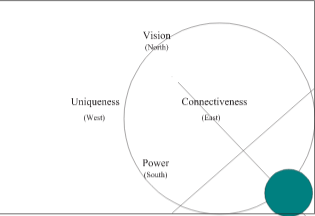

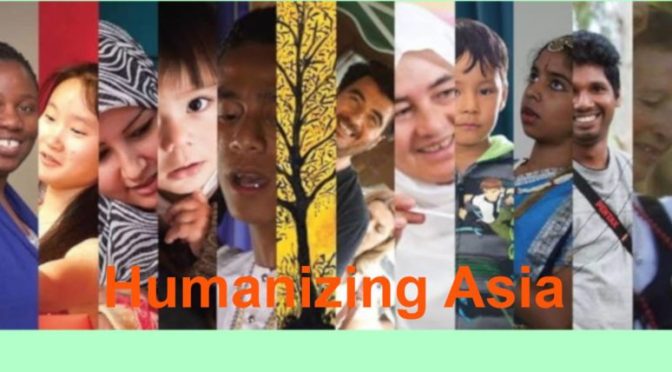


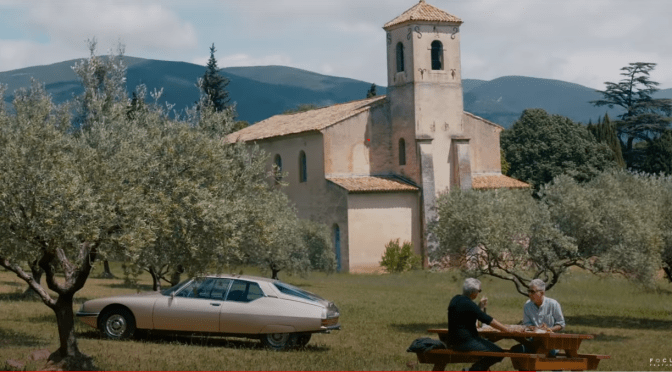
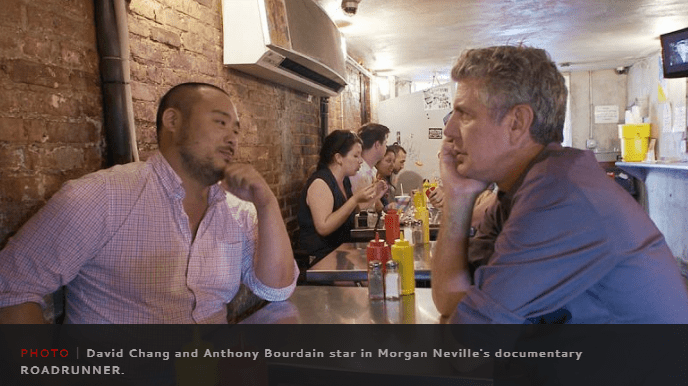
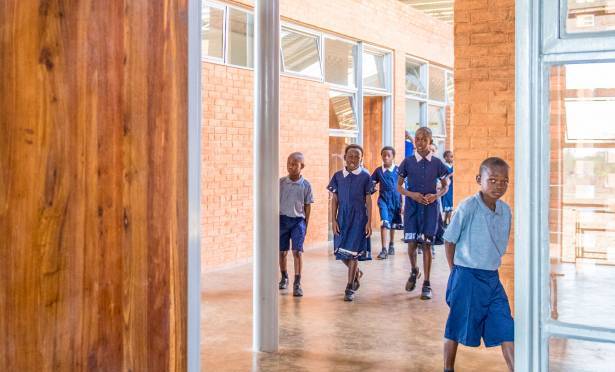


 Humanist Heritage Canada