While we may not be quite synchronized to December’s gift giving “season”, forthcoming title has been brought to our attention that may be just the thing for your on library or a special occasion.
Colin Brewer is a retired psychiatrist and was a lecturer and research fellow in the department of psychiatry at Birmingham university in the 1970s. He was subsequently director of the alcoholism unit at the Westminster hospital before becoming the medical director and later research director of the Stapleford Centre in London. His published scientific papers cover abortion, obesity, suicide, anti-depressants, alcoholic brain damage and behavioural psychotherapy as well as addiction treatment.
Placebo and non-specific effects, which can be very powerful, are a major reason why religions arose and why people believe in gods and feel better after prayers, pilgrimages and religious rituals, as they do after taking objectively inactive medications but they can have most of these benefits without believing in the doctrines or in gods.
Using a mixture of personal case-histories, published research and history, The God Effect describes the many similarities between the benefits regularly claimed for religious ritual and prayer and the benefits claimed for the procedures and rituals of Complementary and Alternative Medicine (CAM). Most people had similar faith in orthodox medicine and its practitioners. They often felt better after treatment, though until about 1920, hardly anything that physicians did had useful effects on the symptoms, course and outcome of most illnesses. Many medicines were toxic as well as ineffective but impressive side effects, like impressive and demanding religious rituals, could persuade people that they were being healed even when diseases progressed. Illnesses with a large psychological component, including many illnesses with a physical basis, are especially susceptible to medical and religious placebo effects.
The God Effect describes modern versions of hysteria and demonic possession and gives previously unpublished case histories of Brewer’s successful use of placebo medicines and sham/placebo ECT (electro-convulsive treatment) at a time when this was not regarded as unethical.
Brewer summarizes modern randomized controlled trials (RCTs) which show that in some conditions, sham surgery has large placebo effects that are just as helpful as the full operation and describe the placebo effects that have been important in fields like war, sport and politics.
Brewer discusses prayers of intercession, miraculous cures and saint-making as a sceptical physician but also in the context of the Vatican’s long history of corruption and exploiting credulity. The God Effect rescues from undeserved obscurity Father Jean Meslier, an early atheist ‘placebo priest’ and introduce his modern equivalents. It examines in detail the psychological processes underlying placebo effects and their similarity with hypnosis.
A friendly critique of the ‘Three Horsemen of Atheism’ (Dawkins, Dennett, Harris) refutes their dismissal or neglect of placebo effects as an important factor in religion and notes a serious error by Stephen Pinker. It suggests that the therapeutic hubris of the founders of psychoanalysis and homoeopathy is as much a reason for rejecting them as negative RCTs.
The God Effect also examines and dismisses the claims of acupuncture but describes a unique study of patients who improved after sham acupuncture and were then debriefed. Other topics include the importance of charisma in healing professions, placebo effects in animals, and a newly-described ‘Katyn Massacre’ syndrome affecting religion and CAM. It offers persuasive evidence that our behaviour is strongly influenced by overt or subliminal reminders of death and mortality and integrate it with philosophical arguments that cheerful pessimism is better for mental health than positive thinking. Starting from the little-known fact that Britain’s first open atheist was a physician, Brewer argues that doctors may find it particularly difficult to believe in a benevolent deity. While Brewer notes the evidence of increasing disbelief among educated European citizens in a caring, personal God, he also recognizes and discusses the attractions and benefits of religious adherence. The experience of Denmark suggests that these benefits are essentially tribal in nature and that many of them can be obtained without belief in God or supernatural doctrines.
The God Effect ends with suggestions for research into using placebo effects deliberately and ethically with the aim of improving treatment outcomes. While it encourages cooperation between medical and religious healers, it emphasizes the need for doctrinaire believers to accept the fundamental human right of individuals to change or leave their religion and to reject belief in a deity.
Details of where (and when) the title may be acquired have not yet reached us…but we’ll update this article when they do.
Up For Discussion
If you’re interested in analyzing and discussing this issue, there are actions you can take. First, here at Humanist Heritage Canada (Humanist Freedoms), we are open to receiving your well-written articles.
By continuing to access, link to, or use this website and/or podcast, you accept the HumanistFreedoms.com and HumanistHeritageCanada.ca Terms of Service in full. If you disagree with the terms of service in whole or in part, you must not use the website, podcast or other material.
The views, opinions and analyses expressed in the articles on Humanist Freedoms are those of the contributor(s) and do not necessarily reflect the views or opinions of the publishers.
Choosing to investigate, document and publish Canada’s Humanist heritage, as we have done on this website, it quickly becomes apparent that humanism is a perspective and identity that is quickly obscured by several forces. In some cases, the significant presence of humanism is hidden by its own vocal subcomponents. Proponents of narrow ideologies are often eager to stake ownership of humanism in the service of their (often trendy) preferred ideology. In other cases, proponents of ideologies inconsistent with humanism are eager to portray this identity as less consequential than it is. Some of those proponents are supernatural and religious in nature while others are more secular and political in nature. Either way, it can require a score-card to figure it all out.
Back in 2016, Steve Tomlins submitted a 359-page thesis to the Faculty of Graduate and Postdoctoral Studies at the University of Ottawa in partial fulfillment of the requirements for the Doctorate in Philosophy degree in Religious Studies. In some areas of study, a decade would be considered a long time. The advancement of Humanism in Canada isn’t really one of those areas.
The abstract to the thesis says,
“There is very little research that is empirically-based about atheism in Canada; this thesis seeks to contribute foundational knowledge in this area . It begins with a historical and contemporary overview of atheism in Canada by examining its appearance in government, law, and media. It then addresses the question: “How do atheists construct their identities in the context of a religiously diverse Canada?” through an analysis of data collected from participant-observation with an atheist university club, the Atheist Community of the University of Ottawa (ACUO), followed by an analysis of five significant themes which arose from forty life history interviews (twenty with ACUO members; twenty with Ottawa-area atheists who did not belong to an atheist community that met in person). These themes are: loss of religious identity and/or development of atheist identity; group belonging; perceptions of media and public understanding of atheism; the use of the United States for narrative or comparative purposes; and the frequency of receiving a negative reaction simply for being an atheist. This study found that most interviewees perceived the Canadian public and the media as not understanding atheism because the subject is not commonly reported on or discussed, and many said that (ir)religiosity rarely came up in conversations with strangers, acquaintances, or co-workers. These notions were often seen as resulting from a Canadian social etiquette which dictates that controversial subjects should be avoided in order to minimize the risk of causing offense. Moreover, members of the ACUO often said that they joined an atheist community because they wanted a safe space to meet like-minded people with whom they could freely discuss religion without causing offense to religious others.Unlike in findings from the United States, interviewees did not speak of their atheist identities as being considered ‘un-Canadian’ or as excluding them from their conception(s) of Canadian society. While interviewees often said they were selective with whom they decided to express their atheism, most felt quite positive about living as an atheist in Canada, especially compared to the plight of atheists living in other countries, and atheism came across as being ‘just’ another ‘idea’ in a mosaic of cultural ideas.”
Humanist, atheist and agnostic organizations in Canada ought to bear the largest responsibility for creating greater public understanding of their perspectives and for creating appropriate environments for discussion of their ideas. That may, perhaps begin with a clear-eyed study of the perspectives and ideologies contained within the universal label of Humanism. Leaders of humanist organizations across the country should hold themselves accountable to familiarize themselves with the work of Tomlins, Hanowski and others who have undertaken much needed work.
Perhaps also to replicate and publish it for their own communities.
Up For Discussion
If you’re interested in analyzing and discussing this issue, there are actions you can take. First, here at Humanist Heritage Canada, we are open to receiving your well-written articles.
By continuing to access, link to, or use this website and/or podcast, you accept the HumanistFreedoms.com and HumanistHeritageCanada.ca Terms of Service in full. If you disagree with the terms of service in whole or in part, you must not use the website, podcast or other material.
The views, opinions and analyses expressed in the articles on Humanist Freedoms are those of the contributor(s) and do not necessarily reflect the views or opinions of the publishers.
A few months ago, we mentioned an intention to acquire and read a copy of Elliot Hanowski’s 2023 book, “Towards A Godless Dominion: Unbelief in Interwar Canada”. While we were a little late in discovering the book, we’re very glad that we did…and we’re very pleased with following-through on our intentions.
Our copy is a soft-cover with about 330 pages and we read the book over the course of several weekend mornings in May and June. We can confirm that our earlier expectation that it is an obvious must-read for anyone wishing to examine Canada’s humanist heritage was correct.
There are eight chapters, several of which feature a regional focus. Depictions of events in Manitoba, Ontario and Quebec dominate the book, but there is also a brief chapter covering “Unbelief on the Coasts“, as well. The bibliography is about 22 pages long, giving credit and credibility to Hanowski for what must be un-counted hours of research.
The book’s publicity materials state, Towards a Godless Dominion explores both anti-religious activism and the organized opposition unbelievers faced from Christian Canada during the interwar period. Despite Christianity’s prominence, anti-religious ideas were propagated by lectures in theatres, through newspapers, and out on the streets. Secularist groups in Montreal, Toronto, Winnipeg, and Vancouver actively tried to win people away from religious belief. In the first two cities, they were met with stiff repression by the state, which convicted unbelievers of blasphemous libel, broke up their meetings, and banned atheistic literature from circulating. In the latter two cities unbelievers met social disapproval rather than official persecution. Looking at interwar controversies around religion, such as arguments about faith healing and fundamentalist campaigns against teaching evolution, Elliot Hanowski shows how unbelievers were able to use these conflicts to get their skeptical message across to the public.Challenging the stereotype of Canada as a tolerant, secular nation, Towards a Godless Dominion returns to a time when intolerant forms of Christianity ruled a country that was considered more religious than the United States.
What we gained from having read the book is a renewed sense of connection to the humanist heritage that is an unjustly obscured part of our Canadian identity. The Canadian humanist community has not been particularly effective in recalling and telling its own story. Hanowski’s book is a an important and effective gift to the collection of “nones” that make up such a large part of Canadian society.
The final sentence of Hanowski’s book states, “Interwar unbelievers demonstrated considerable courage and determination in their struggle to create a godless yet more humane Canada.” and that may be the best place to conclude…along with our encouragement to everyone to go ahead and acquire a copy of this book, read it over a few weekend mornings and connect with the heritage that it contains.
Up For Discussion
If you’re interested in analyzing and discussing this issue, there are actions you can take. First, here at Humanist Heritage Canada (Humanist Freedoms), we are open to receiving your well-written articles.
By continuing to access, link to, or use this website and/or podcast, you accept the HumanistFreedoms.com and HumanistHeritageCanada.ca Terms of Service in full. If you disagree with the terms of service in whole or in part, you must not use the website, podcast or other material.
The views, opinions and analyses expressed in the articles on Humanist Freedoms are those of the contributor(s) and do not necessarily reflect the views or opinions of the publishers.
We have received notice that the Society of Freethinkers (SoFree)and it’s lobbying partner, Secular Connexion, based in the Hamilton/Burlington and Elmira areas (respectively), have launched a new campaign to oppose Ontario’s system of public funding of religious school systems.
Here’s what we’ve been told so far:
Secular Connexion Séculière is a national non-profit lobby group that seeks justice for non-believers. Please join The Society of Freethinkers and us in an e-mail campaign directed at Ontario MPPs to change funding for the RC separate school system by distributing the attached email and MPP contact list to your members and friends.
We want to demonstrate the overwhelming support that exists in Ontario for a change to the current funding of Catholic separate schools. This e-mail sets out the facts about the current system and the savings that would be generated.
It is being sent to Secular Humanist organizations, religious groups, public school teachers’ organizations and others who have expressed support for this change. Our hope is that an inundation of e-mails from various sources, including from non-Catholic religious groups, will convince them that it is time for a change. Ontario is a multi-cultural, multi-ethnic, multi-religious province that differs markedly from the Ontario of 1867.
Please distribute the attached e-mail and and contact list to members of your organizations and to others who may also support this endeavour.
There are many myths and misconceptions around the current funding of the Catholic school system. The email we are asking people to send presents these facts:
• the current full funding of the Catholic school system is not constitutionally guaranteed. The Constitution grants provinces the right to determine the amount of funding for denominational schools if they funded such school systems prior to joining Confederation. Ontario chose to fully fund Catholic elementary and high schools as did Québec. Quebec changed their school system, in 1997, to one based solely on language, not religion, by merely asking the Federal government to let them stop the funding. Newfoundland and Labrador also changed their school system to eliminate funding of Catholic schools.
• 74%1 of Ontarians are not Roman Catholic, but pay for a system that can legally refuse to hire them as teachers, and can exclude their children from its schools.
• the municipal taxes of Catholics pay for, at most, 8% of the operating costs of the separate system: the balance is paid out of taxes paid by all Ontarians, be they Catholic, Protestant, Atheist, Jew, Muslim, Hindu, etc.
• Ontario could save over $1.5 billion a year by having one non-denominational public school system
• parents who send their children to non-Catholic private schools pay tuition fees which are generally not tax deductible, and must also pay their municipal taxes, including the education portion
We need our children to learn what unites them, not what divides them.
Please contact either of us for additional information. Should you wish to see the source documents for the figures cited above, these can be provided.
If you’re interested in analyzing and discussing this issue, there are actions you can take. First, here at Humanist Heritage Canada (Humanist Freedoms), we are open to receiving your well-written articles.
By continuing to access, link to, or use this website and/or podcast, you accept the HumanistFreedoms.com and HumanistHeritageCanada.ca Terms of Service in full. If you disagree with the terms of service in whole or in part, you must not use the website, podcast or other material.
The views, opinions and analyses expressed in the articles on Humanist Freedoms are those of the contributor(s) and do not necessarily reflect the views or opinions of the publishers.
As you may be aware, Humanist Heritage Canada emerged, primarily, from a concern with protecting the freedom of expression in Canada and in support of humanist initiatives to oppose public funding of religion – in schools and other places. It is with these core issues in mind that we note that the current Manitoba government has a bill which may be of tremendous value.
Bill 40 is titled, “AN ACT RESPECTING “O CANADA” AND OTHER OBSERVANCES AND LAND AND TREATY ACKNOWLEDGEMENTS IN SCHOOLS (EDUCATION ADMINISTRATION ACT AND PUBLIC SCHOOLS ACT AMENDED)”. On March 6, 2025, it was at First Reading.
The part that should interest Canadian secularists and humanists says:
Assuming the bill does pass and come into force, this will be a significant advancement for secularization in Canada. As we are not up-to-speed regarding any Manitoba-based humanists or secularists who may have been involved in advocating for the repeal of these regulations, we’ll content ourselves with referring further reading to the recent BC Humanist article, “In 2023, the BC Humanist Association released Religion in Public School Acts, which documented the provinces that still include provisions to permit prayers and Bible studies in schools.“
We join BCHA in their encouragement to Manitoba citizens and residents to contact their Member of Legislative Assembly in support of this provision of Bill 40. The bill has other provisions which are not secularist in nature and deserve evaluation on their own merits.
We also encourage those who are interested in humanism and secularism in Manitoba to procure a copy of Elliot Hanowski’s Toward a Godless Dominion: Unbelief in Interwar Canada. We recently acquired and read a copy (a book review is forthcoming) and were greatly pleased with the thorough review of Manitoba’s significant history of humanism and atheism during that period. If you’re looking for insights into Canada’s humanist heritage, this is a treasure.
Up For Discussion
If you’re interested in analyzing and discussing this issue, there are actions you can take. First, here at Humanist Heritage Canada (Humanist Freedoms), we are open to receiving your well-written articles.
By continuing to access, link to, or use this website and/or podcast, you accept the HumanistFreedoms.com and HumanistHeritageCanada.ca Terms of Service in full. If you disagree with the terms of service in whole or in part, you must not use the website, podcast or other material.
The views, opinions and analyses expressed in the articles on Humanist Freedoms are those of the contributor(s) and do not necessarily reflect the views or opinions of the publishers.
The book appears to be an obvious must-read for anyone wishing to examine Canada’s humanist heritage…and we’ll be acquiring a copy soon so that we may share our impressions.
In the meantime, we’ll make do with an overview provided by the publishers:
In recent surveys, one in four Canadians say they have no religion. A century ago Canada was widely considered to be a Christian nation, and the vast majority of Canadians claimed they were devoutly religious. But some were determined to resist. In the 1920s and ’30s, groups of militant unbelievers formed across Canada to push back against the dominance of religion.
Towards a Godless Dominion explores both anti-religious activism and the organized opposition unbelievers faced from Christian Canada during the interwar period. Despite Christianity’s prominence, anti-religious ideas were propagated by lectures in theatres, through newspapers, and out on the streets. Secularist groups in Montreal, Toronto, Winnipeg, and Vancouver actively tried to win people away from religious belief. In the first two cities, they were met with stiff repression by the state, which convicted unbelievers of blasphemous libel, broke up their meetings, and banned atheistic literature from circulating. In the latter two cities unbelievers met social disapproval rather than official persecution. Looking at interwar controversies around religion, such as arguments about faith healing and fundamentalist campaigns against teaching evolution, Elliot Hanowski shows how unbelievers were able to use these conflicts to get their skeptical message across to the public.
Challenging the stereotype of Canada as a tolerant, secular nation, Towards a Godless Dominion returns to a time when intolerant forms of Christianity ruled a country that was considered more religious than the United States.
Up For Discussion
If you’re interested in analyzing and discussing this issue, there are actions you can take. First, here at Humanist Heritage Canada (Humanist Freedoms), we are open to receiving your well-written articles.
By continuing to access, link to, or use this website and/or podcast, you accept the HumanistFreedoms.com and HumanistHeritageCanada.ca Terms of Service in full. If you disagree with the terms of service in whole or in part, you must not use the website, podcast or other material.
The views, opinions and analyses expressed in the articles on Humanist Freedoms are those of the contributor(s) and do not necessarily reflect the views or opinions of the publishers.
The emotion of boredom has attracted considerable research interest. However, boredom experienced in spiritual contexts (i.e., spiritual boredom) has rarely been investigated. Based on control-value theory (CVT), we investigated the occurrence, antecedents, and motivational effects of spiritual boredom in five different spiritual contexts: yoga, meditation, silence retreats, Catholic sermons, and pilgrimage. For each context, we conducted two independent studies, one including trait and another including state measures. The set of 10 studies included a total sample of N = 1267 adults. We complemented individual study results with an internal meta-analysis. The results showed a mean level of spiritual boredom of M¯ = 1.91 on a scale of 1 to 5. In line with CVT, spiritual boredom was positively related to being overchallenged (r¯ = 0.44) in 9 out of the 10 studies and positively related to being underchallenged (r¯ = 0.44) in all studies. Furthermore, as expected, spiritual boredom was negatively related to perceived value in all studies (r¯ = −0.54). Finally, boredom was negatively related to motivation to engage in spiritual practice (r¯ = −0.46) across studies. Directions for future research and practical implications are discussed.
Thomas Goetz,
Jonathan Fries,
Lisa Stempfer,
Lukas Kraiger,
Sarah Stoll,
Lena Baumgartner,
Yannis L. Diamant,
Caroline Porics,
Bibiana Sonntag,
Silke Würglauer,
Reinhard Pekrun
Wijnand A. P. van Tilburg &
Introduction
“The existential vacuum manifests itself mainly in a state of boredom”.
(Viktor E. Frankl; Austrian neurologist, psychologist, and philosopher; 1905–19971)
The last 15 years have seen a substantial increase in studies on boredom2. A key reason for this growing interest is the accumulating empirical evidence on the effects of boredom on a wide range of critically important outcomes, including poorer physical and mental health, problematic eating habits, substance use, reduced motivation, and poor performance3.
One context that is becoming increasingly important in Western societies and can cause boredom is the spiritual context4, which includes practices such as yoga, meditation, and pilgrimage5,6. It is intriguing that there is a clear lack of research on the levels, antecedents, and effects of boredom in spiritual contexts. There is a study7 that investigated “void” (a combination of boredom and psychological entropy), from which one could draw a cautious and limited conclusion about the levels, antecedents and effects of spiritual boredom. An example of the neglect of spiritual boredom is the highly cited “Handbook of Psychology of Religion and Spirituality”8, which does not even mention the terms “boredom” or “bored”.
A key reason why spiritual boredom has been neglected may be that it is theoretically unexpected that spiritual contexts could ever be boring. People typically engage in these contexts voluntarily and with high motivation, seeking meaning and fulfillment in their lives. The intuition that spiritual boredom is likely to be low is consistent with propositions of Pekrun’s9,10,11,12 control-value theory (CVT). Spiritual practices are intuitively neither over- nor underchallenging, which means that levels of perceived control are likely to be appropriate. Furthermore, spiritual contexts can be assumed to be inherently high in value. According to CVT, appropriate levels of control and high perceived value should prevent boredom13,14.
However, a closer look reveals that some practices are not individualized (e.g., sermons, instructed yoga practices7). As such, they could lead to being over- or underchallenged and, consequently, to boredom.Furthermore, some spiritual practices may actually be of little value to some people, especially if they become routine (e.g., meditation; walking routines on long pilgrimages) or are performed due to externally defined obligations (e.g., attending religious services), which also might lead to boredom.
In this research, we drew upon the theoretical propositions on boredom outlined in CVT and explored the extent to which boredom is experienced during spiritual practice, and whether it is related in theoretically plausible ways to the antecedents of boredom mentioned above (non-optimal levels of control, i.e., over- or underchallenge, and value appraisals). In addition, we examined how boredom relates to the motivation to engage in spiritual practice, also within the framework of CVT. We examined these relations using both trait and state measures to capture both habitual and situational experiences of spiritual boredom. To gain an understanding of boredom in spiritual practice, we selected five different exemplary contexts: Yoga, meditation, silence retreats, sermons (as part of Catholic worship), and pilgrimages. Based on the results from the 10 single studies included in this research, we conducted internal meta-analyses on the levels, antecedents, and effects of spiritual boredom.
As a first step, we reviewed the current state of research on definition, occurrence, antecedents, and effects of spiritual boredom. To this end, we conducted a comprehensive literature search in PsycInfo, APA PsycArticles, PSYNDEX, and Web of Science. We searched for publications on “spiritual boredom” as well as publications on boredom in relation to the five specific spiritual contexts that are the focus of our research: yoga, meditation, sermons, silence retreats, and pilgrimage. We used the search terms “(Boredom OR Bored) AND (Spiritual* OR Yoga OR Meditation OR Meditating OR Sermon OR Church OR ‘Silence Retreat’ OR Pilgrimage).”
The search was performed on March 26th, 2024, and yielded a total of 318 results after removing duplicates. In the next step, we screened the publications based on the following criteria: 1) providing a definition of spiritual boredom, and/or 2) reporting the prevalence of boredom experienced in the spiritual context, and/or outlining or empirically investigating 3) antecedents or 4) effects of spiritual boredom. None of the articles retrieved met any of these criteria. For example, the studies we found looked at whether spiritual or religious people were less bored than others15.
Therefore, it is clear that there is currently a lack of empirical research on spiritual boredom. However, beyond this literature review, we identified a few relevant studies that are related to spiritual boredom, although not directly focusing on it. These include a study investigating “void”7 (a combination of boredom and psychological entropy) and a publication in the field of theology16 assessing boredom during Catholic services as an additional variable that was not central to his study.
Depending on historical time and culture, different terms have been used to describe the feeling of “boredom,” including tedium, melancholia, acedia, ennui, and monotony17. Beyond these different terms, there are several definitions of boredom that can vary across scientific domains. To conceptualize boredom in our study, we refer to the component process model of emotions18,19, which posits that emotions are best understood through their underlying processes. From this perspective, boredom can be defined as a unique emotional process consisting of four components: affective (an unpleasant, aversive feeling), cognitive (altered perception of time, mind wandering, attention failures), motivational (a desire to withdraw from the current situation), and physiological/expressive (low arousal, yawning, looking tired3,20,21).
Similar to other types of boredom (e.g., academic boredom, leisure time boredom), spiritual boredom can be conceptualized as either a trait or a state. This distinction aligns with previous research on boredom and other emotions (e.g., anxiety22,23). Trait spiritual boredom is defined as habitual boredom experienced in spiritual situations, that is, boredom that recurs across various spiritual contexts and over time. In contrast, state spiritual boredom refers to the current experience of boredom in a specific spiritual situation. Based on the relative universality assumptions of CVT9,10,11,24, similar structural relations with antecedents and outcomes can be assumed for both trait and state spiritual boredom.
An important issue in defining spiritual boredom is determining what constitutes a “spiritual context.” Definitions of the term “spirituality” vary widely across different fields of research, including psychology, sociology, philosophy, theology, cultural studies, and history25. Despite these variations, a common element in almost all definitions of spirituality is the search for and belief in something sacred that transcends the material world26,27,28. Consistent with this view, the Cambridge Dictionary defines “spirituality” as “the quality that involves deep feelings and beliefs of a religious nature, rather than the physical parts of life.”
However, whether a situation is considered spiritual can vary substantially between and within individuals. Everyday experiences can sometimes be perceived as spiritual (e.g., looking at the night sky). Conversely, what might seem like an obvious spiritual context, such as the routine recitation of prayers, may be perceived as non-spiritual (e.g., as the mere fulfillment of duty). In our work, we follow approaches used in the study of other types of boredom (e.g., “test boredom”29 and “academic boredom” in academic settings3) and define spiritual boredom as boredom experienced in situations that are typically considered to be spiritual in nature.
Spiritual boredom differs from other types of boredom (e.g., academic boredom) in terms of (a) the population experiencing it, which includes people who seek spiritual development and often search for greater meaning in life; (b) the settings, which typically are “silent” environments where spirituality can be experienced and where visits usually are voluntary; and (c) its consequences in terms of a reduction in motivation for spiritual practice and, consequently, spiritual growth.
Based on our literature search, we were unable to identify any studies that assessed the levels of boredom experienced in spiritual contexts. Beyond our literature search, we identified one study7 investigating “void” in the context of mindfulness meditation. Void is a construct that is related to boredom, but it is limited to situations in which nothing is perceived to be happening. The levels of void in mindfulness meditation ranged between 2.4 and 2.8 on a scale ranging from 1 (completely disagree) to 7 (completely agree).
Another quantitative, albeit weakly operationalised, indicator of high levels of spiritual boredom was reported in another study16. In a sample of German Catholics (N = 2649), approximately 50% believed that boredom in Catholic services was particularly prevalent during the sermon. Additionally, several qualitative studies provide statements that can be interpreted as depicting experiences of boredom in spiritual contexts. For example, Cassaniti notes a sentiment regarding a sermon in a Buddhist context: “When I go to an Asanha Bucha Day sermon, I feel … bored”30.
Beyond empirical research, boredom in spiritual contexts is often described in the press and social media. For example, there are articles discussing boring sermons, often featuring statements from worshippers, such as: “I quite like the whole liturgy, but this impression is ruined again by the boring sermon. In my opinion, the entire sermon consists of empty words”31. There are numerous indicators of boredom in Christian traditions, such as paintings depicting people sleeping during sermons25. In the Middle Ages, boredom was recognized as a spiritual malaise known as “acedia” (Latin word), characterized by listlessness and melancholy32. Christians referred to it as the “demon of noontide,” a concept described by St. Thomas Aquinas (1273) as the “sorrow of the world” and the “enemy of spiritual joy”15,33,34. In summary, although empirical evidence on the extent of spiritual boredom is lacking, there is ample anecdotal evidence from the Middle Ages to the present that spiritual boredom may indeed be common.
Although there is no specific theory addressing the antecedents of spiritual boredom, it is reasonable to assume that the primary theoretical antecedents of boredom might also apply to spiritual boredom. These primary antecedents include attentional processes35, cognitive appraisals20, perceived meaning36, and functional value37.
Two constructs frequently highlighted in theories of boredom are inappropriate levels of control (both very high and very low) and lack of value. These constructs are of central importance in the control-value theory (CVT9,12,38). Originally developed primarily for the context of achievement emotions, CVT is increasingly being used to explain other emotions12 and contexts (e.g., leadership39).
CVT posits that individuals’ perceptions of their personal control over, and the value of activities and outcomes are the most important proximal psychosocial antecedents of boredom. CVT includes assumptions on the universality of boredom antecedents24. According to the theory, the structural relations between boredom and its antecedents are similar across different contexts, including spiritual ones. Nevertheless, as the characteristics of spiritual situations can be quite different from other situations (e.g., academic learning or testing situations), for example in terms of the level of competitiveness, these situational differences might lead to different levels of spiritual boredom compared to boredom experienced in other contexts.
Perceived control refers to individuals’ perceived causal influence over their actions and outcomes40. According to CVT, the relation between spiritual boredom and perceived control is curvilinear, with higher levels of boredom experienced when perceived control is either very low or very high3,38. This aligns with traditional approaches to boredom, which attribute its occurrence to a misfit between the person and the environment14,41,42.
The proposed link between levels of control and boredom has received partial support in studies on academic boredom. Perceived control has mainly been found to negatively relate to boredom20,21,38,43,44. This may be because tasks in educational settings are rarely designed to be extremely easy, resulting in very high levels of perceived control and underchallenge being uncommon45,46,47. Furthermore, traditional self-report scales assessing perceived control may not be appropriate for assessing very high and low levels of control. Thus, recent studies have used direct reports of being overchallenged and underchallenged as indicators of very low and very high levels of perceived control. These studies have shown that boredom can indeed occur in situations characterized by both very high and very low perceived control29,48.
Perceived value refers to the perceived relevance and meaning of actions and outcomes to an individual9,12. According to CVT, there is a negative relation between perceived value and boredom. Given the universality assumptions of CVT, we expect that this relation will also apply to spiritual boredom. In this respect, spiritual boredom (like boredom in other contexts) contrasts with other emotions that are generally amplified by perceived importance24. Similar to boredom in other contexts, spiritual boredom is expected to be negatively related to all facets of value (e.g., intrinsic value, extrinsic value12,49). Empirical studies outside the spiritual context have consistently reported negative correlations between boredom and various types of perceived value20,46,50. In particular, value provided by ‘meaning’ is often highlighted in the literature as a crucial antecedent of boredom1,15.
In the context of spiritual practice, we identified a study that examined the relationship between perceived value and experiences related to spiritual boredom. This study of novice meditators7 (N = 175) found that the “void” experienced during mindfulness meditation was negatively related to the perceived meaning of meditation (r = −0.49; p < 0.001). This finding is clearly consistent with the assumptions of CVT.
CVT also provides a framework for understanding the effects of spiritual boredom. Spiritual boredom may deplete cognitive resources by causing mind wandering. For instance, individuals may struggle to maintain focus on bodily sensations during yoga practice. This depletion may subsequently reduce motivation to engage in spiritual tasks, leading to behaviors such as postponing meditation sessions or only very briefly engaging in meditation. Boredom may also encourage the use of superficial strategies, such as not reflecting deeply during a sermon. Furthermore, boredom may interfere with the flexible adaptation of strategies, such as failing to correct inefficient body movements during yoga, ultimately leading to diminished performance and reduced spiritual growth. In essence, spiritual boredom can lead to a number of negative outcomes that hinder the effectiveness of spiritual practices and impede personal development.
Existing research beyond the spiritual context supports theoretical assumptions on the effects of boredom20,21,50,51,52,53,54. In our study, we focus on one critical effect of spiritual boredom: its impact on motivation to engage in spiritual practices.
We found a study indicating that spiritual boredom is related to outcome variables. This research7 found that “void” was negatively related to engagement in meditation (r = −0.54; p < 0.001). This finding is consistent with CVT assumptions that experiences of boredom lead to a loss of motivation. Beyond this study, there are scattered findings on the motivational effects of negative emotions other than boredom (e.g., anxiety, stress, worry) experienced during spiritual practices. These studies indicate that such negative emotions can act as barriers to spiritual practice and as predictors of attrition55,56,57,58. Boredom may have a similarly negative impact on motivation for spiritual practices. Thus, spiritual boredom may represent a previously unrecognized indicator or form of spiritual struggle, with research on the topic emphasizing experiences of tension, strain, or conflict in relation to religion and spirituality59,60.
In sum, based on CVT12, it can be assumed that perceptions of being over- or underchallenged during spiritual practices, as well as judgments that these practices are not valuable, should lead to higher levels of spiritual boredom. Given that over- and underchallenge as well as low perceived value is likely to occur during spiritual practices (e.g., underchallenging sermons; sermons that have no relevance to daily life), it follows that boredom may be prevalent in such contexts. Furthermore, spiritual boredom is expected to lead to low motivation for subsequent practice. In our literature search, we did not find any studies that specifically addressed the occurrence, antecedents, and effects of spiritual boredom. However, as outlined above, various scattered findings from studies indirectly related to our research questions support these assumptions.
Based on the theoretical propositions of CVT, we aimed to test the following hypotheses (see also Fig. 1). We expect these hypotheses to apply to both trait and state spiritual boredom.
Fig. 1: Antecedents and effects of spiritual boredom.
Exploratory Research Question: What are the levels of boredom in different spiritual contexts?
Hypothesis 1: Spiritual boredom shows significant positive relations with perceptions of being over- or underchallenged in spiritual practice.
Hypothesis 2: Spiritual boredom shows significantly negative relations with the perceived value of spiritual practice.
Hypothesis 3: Spiritual boredom shows significantly negative relations with the motivation to engage in spiritual practice.
Methods
We investigated five different spiritual contexts: yoga, meditation, silence retreats, sermons (as part of Catholic services), and pilgrimage. By studying five different contexts, we aimed to test the generalizability of our findings. For each context, we conducted two studies with fully independent samples, one using trait measures and the other using state measures of spiritual boredom. The 10 studies were paralleled as much as possible with respect to the assessed constructs to ensure comparability. Based on the 10 studies, we conducted an internal meta-analysis to provide a concise synthesis of our findings. None of the studies were preregistered.
Spiritual contexts
Our study focused on five traditional spiritual practices with different religious/spiritual roots, but commonly observed in Western societies. We wanted to assess contexts that were different, but not too different, as a starting point for research into spiritual boredom.
One focus was on (1) yoga, a spiritual practice that has existed for at least 2500 years61 and pursues a unifying experience of body and mind. We also focused on (2) meditation, which also has existed for at least 2500 years. The key spiritual aspect of meditation is to train attention and awareness to achieve a mentally clear and emotionally calm and stable state. As for (3) silence retreats, the practice of consciously remaining silent for spiritual reasons probably dates back to the earliest humans and has a long tradition in many religions, such as Buddhism, Hinduism, and Christianity. Listening to (4) sermons as part of Catholic services reflects a spiritual practice that has existed for about 2000 years. We have explicitly not referred to Catholic services as a whole, as they consist of different elements (e.g., prayers, chants, rituals, communion, silence) that may evoke different levels of boredom. Finally, (5) pilgrimage is also a traditional spiritual practice found in many religions, such as Christianity, Hinduism, and Islam. However, it is also practiced outside religious contexts, often as a form of spiritual walking or traveling in search of moral or spiritual meaning.
Trait and state assessments
For each of our five spiritual contexts, we conducted both a trait and a state study. The trait assessments focused on habitual experiences of spiritual boredom, while the state assessments focused on situational, momentary experiences. In both types of assessment, we examined the antecedents of spiritual boredom and its impact on motivation to engage in spiritual practice.
Participants
Table 1 provides an overview of the samples for all 10 studies on spiritual boredom in terms of sample sizes, gender distributions, and age. The language of the recruitment process as well as the questionnaires was German, resulting in samples of German-speaking participants. All 10 studies included in this work received ethical approval from the Institutional Review Board (IRB) of the Department of Developmental and Educational Psychology at the University of Vienna.Table 1 Study Participants
All 10 studies took place between December 2021 and July 2024. For all studies, participants were recruited through a variety of methods, including using existing contacts with practitioners of the spiritual practice and institutions offering such practices (e.g., yoga studios, pilgrim associations), and social networks such as WhatsApp, LinkedIn, and Facebook. Contacted individuals and institutions were asked to share information about the study (i.e., snowball sampling62), through which a link to an online questionnaire was distributed. In this recruitment process, studies were labeled as research investigating emotions in the respective context (i.e., yoga, meditation, silence retreat, Catholic sermons, pilgrimage).
For the trait assessments, we aimed to recruit participants with experience in the spiritual practice being studied (i.e., former and current practitioners). For the state assessments, we sought participants who were currently practicing the respective spiritual practice. The questionnaires were created using the SoSci Survey platform63. Upon activation of the link, participants received detailed information about the study, data handling procedures, guarantees of full anonymity, and contact information for the researchers. An exception was the study on state sermon boredom (Study 8). In this study, participants were recruited by trained test administrators in four Catholic churches directly after attending a service.
In all 10 studies, participants had to be at least 18 years old to take part. Participants had to provide their consent before proceeding with the questionnaire. There were no exclusion criteria other than not having experience in spiritual practice, being under 18 years of age, and not giving consent. As for the state assessments, participants were asked to complete the questionnaires immediately after engaging in the spiritual practices. The questionnaire began with demographic information, followed by the assessment of all other variables. No data on race/ethnicity were collected. Participants could stop the assessment at any time without having to give a reason. There was no compensation for participating in the study. The average time taken to complete the questionnaires across the 10 studies ranged from 2.97 min (silence retreat—trait; Study 6) to 8.08 min (pilgrimage—state; Study 10).
Measures
Spiritual boredom
We developed a total of 10 scales to assess trait and state boredom in each of the five spiritual contexts that were addressed in our research (see overview in Table 2; reliabilities of all spiritual boredom scales are shown in this table). Within each spiritual context, the content of the trait and state boredom items was completely parallel, and both scales contained the same number of items. As the spiritual contexts of yoga, meditation, silence retreat, and pilgrimage consist of different typical facets, we developed scales including items assessing boredom related to these facets based on an approach outlined in previous work64, which suggests an assessment of situational facets (e.g., for yoga: physical experiences, breathing exercises, relaxation phase,…). However, as sermons do not contain such typical elements, we developed a scale for this context based on the Achievement Emotions Questionnaire (AEQ50), which takes into account different components of boredom as outlined earlier (i.e., affective, cognitive, motivational, and physiological/expressive components). In addition, each of the scales included an item that directly assessed the overall level of boredom. Examples for these items are: “When I practice yoga, I usually get bored” (Study 1), “During the yoga session I had just completed, I was bored” (Study 2).Table 2 Spiritual Boredom Scales
Participants responded to the items in all boredom scales using a 5-point Likert scale, ranging from 1 (completely disagree) to 5 (completely agree). All 10 scales are documented in the online supplemental material (SM1).
To validate the scales, we included a well-established state boredom scale in the state assessments (Studies 2 and 4) for two spiritual contexts, namely yoga and meditation: the MSBS-SF65, which is the short form of the Multidimensional State Boredom Scale (MSBS66). We adapted the items to suit our assessment, which took place immediately after the yoga and meditation sessions. Example items from the MSBS-SF include “My mind was wandering” and “I was easily distracted”. Cronbach’s alpha for this scale was α = 0.94 for both contexts (for the full scale see SM1: SM1_11).
We found strong correlations between the MSBS-SF and the Yoga Boredom Scale—State (YBS-S; r = 0.90, p < 0.001) as well as the MSBS-SF and the Meditation Boredom Scale—State (MBS-S; r = 0.70, p < 0.001), indicating high convergent validity for our state spiritual boredom scales.
Being over- and underchallenged
Based on previous work48, we developed scales to assess levels of over- and underchallenge in each of the 10 studies. Each of the scales was related to the facets of spiritual practices assessed by our spiritual boredom scales. Within each of the spiritual contexts, the scales for being overchallenged and underchallenged were parallel in content and consisted of the same number of items. Furthermore, within each spiritual context, the content of the trait and state challenge items was fully parallel, and the trait and state challenge scales included the same number of items.
Sample items for being over- and underchallenged for the yoga context are “The breathing exercises usually overchallenge me” and “The breathing exercises usually underchallenge me” (trait scales), and “The breathing exercises overchallenged me” and “The breathing exercises underchallenged me” (state scales). For all scales, participants responded using a 5-point Likert scale, ranging from 1 (completely disagree) to 5 (completely agree).
The number of items (ni) and Cronbach’s alpha for being over-/underchallenged (αo/u) in the trait and state assessments were as follows: for yoga ni = 5, αo/u_trait = 0.81/0.88 (Study 1) and αo/u_state = 0.81/0.91 (Study 2); for meditation ni = 4, αo/u_trait = 0.83/0.86 (Study 3) and αo/u_state = 0.80/0.85 (Study 4); for silence retreats ni = 10, αo/u_trait = 0.75/0.92 (Study 5) and αo/u_state = .83/.91 (Study 6); for sermon ni = 1 (Studies 7 and 8); for pilgrimage ni = 12, αo/u_trait = .82/.87 (Study 9) and αo/u_state = 0.79/0.81 (Study 10). The items of all 20 scales are presented in the online supplemental material (SM2).
Perceived value
We developed scales assessing value based on previous work49. The scales were each related to the facets of the spiritual practices as assessed with the spiritual boredom scales. The items were fully parallel in content for the trait and state assessments, and thus the number of items within spiritual contexts was identical. For example, a sample item for the pilgrimage context is “Walking on a pilgrimage is important to me” (trait assessment) and “Walking on the pilgrimage is important to me” (state assessment). For all scales, participants responded using a 5-point Likert scale, ranging from 1 (completely disagree) to 5 (completely agree).
The number of items (ni) and Cronbach’s alpha for the value scales in the trait and state assessments were as follows for the different spiritual contexts and studies: for yoga ni = 11, αtrait/state = 0.83/0.74 (Studies 1 and 2); for meditation ni = 9, αtrait/state = 0.73/0.66 (Studies 3 and 4); for silence retreats ni = 13, αtrait/state = 0.83/0.85 (Studies 5 and 6); for sermon ni = 7, αtrait/state = 0.89/0.84 (Studies 7 and 8); and for pilgrimage ni = 13, αtrait/state = 0.72/0.74 (Studies 9 and 10). The items of all value scales are presented in the online supplemental material (SM3).
Motivation
In all studies, we assessed motivation to engage in spiritual practices in the corresponding context. The items were fully parallel in content for the trait and state assessments, and thus the number of items within spiritual contexts was identical. A sample item for the pilgrimage context is “I am usually motivated to go on pilgrimages” (trait assessment) and “I am usually motivated during the pilgrimage” (state assessment). For both the trait and state assessments, participants responded using a 5-point Likert scale, ranging from 1 (completely disagree) to 5 (completely agree).
The number of items (ni) and Cronbach’s alpha (correlation r for the 2-item assessment, respectively) for the motivation scales in the trait and state assessments were as follows for the different spiritual contexts: for yoga ni = 1 (Studies 1 and 2); for meditation ni = 1 (Studies 3 and 4); for silence retreats ni = 4, αtrait/state = 0.89/0.92 (Studies 5 and 6); for sermon ni = 2, rtrait/state = 0.66/0.33 (Studies 7 and 8); and for pilgrimage ni = 5, αtrait/state = 0.86/0.87 (Studies 9 and 10).
The items of the motivation scales are presented in the online supplemental material (SM4).
Analytic strategy
Single studies
We used the same analytic strategy across all studies. To address our exploratory question on the levels of spiritual boredom, we report the means of the single boredom items from the spiritual boredom scales, as well as the mean values of the entire spiritual boredom scales. The reason for highlighting the values of a single item in addition to the multi-item scale is that the mean level of the single item is easier to interpret than a score aggregating answers from a multi-item scale29. To test our hypotheses, we calculated correlations between spiritual boredom and its assumed antecedent and outcome variables. Specifically, we examined correlations with being over- and underchallenged (antecedents), perceived value (antecedent), and motivation (effect). Prior to formal statistical hypothesis testing, we checked for violations of test assumptions. Following common recommendations67, for correlation analyses we visually inspected scatter plots for bivariate associations. In addition, we visually inspected box plots as well as histograms and calculated the skewness of all variables (see Table 3).Table 3 Levels of spiritual boredom
Internal meta-analyses
To synthesize the findings across the 10 studies, we performed a series of internal meta-analyses. First, we calculated single-mean meta-analyses to estimate the average level of boredom reported across spiritual practices (i.e., the exploratory research question). We then conducted separate meta-analyses to examine the relations between boredom and over- and underchallenge (H1), value (H2), and motivation (H3). In addition, we examined whether the results of these analyses differed significantly between trait and state assessments.
As the samples of the 10 studies were independent, we included all studies in the meta-analyses. The total sample comprised N = 1267 participants in the single-mean meta-analyses. Due to different patterns of missing values, the meta-analytic sample sizes for the relations between boredom and overchallenge, underchallenge, value, and motivation varied between N = 1163 (motivation) and N = 1192 (value).
To estimate the mean level of spiritual boredom across the studies, we calculated a weighted mean of the means (i.e., single-mean meta-analysis, SMMA68). We used the raw means of the 10 boredom scales from the 10 studies. As all studies used an identical five-point Likert scale to measure boredom, the means were based on the same metric across studies. We also conducted subgroup analyses examining the mean levels of trait and state boredom separately. In addition to calculating SMMAs for the mean scores of the scales, we calculated similar SMMAs for the mean scores of the single items (i.e., each part of the scale) that assessed overall spiritual boredom. We also conducted comparable subgroup analyses for the single-item measures of spiritual boredom, distinguishing between trait and state measures. Given the variability in spiritual contexts and activities within those contexts across studies, we applied random-effects models with restricted maximum-likelihood estimation of between-study variance69 for SMMAs of scale means and of single-item means.
To estimate the mean correlations between boredom and overchallenge, underchallenge, value, and motivation, we conducted four separate random-effects meta-analyses with restricted maximum-likelihood (REML) estimation. We used Pearson’s r as our measure of effect size, which we transformed into Fisher’s z for the meta-analyses. In the next step, we transformed the z-scores from the meta-analysis back into Pearson’s rs68. In addition, we ran meta-regressions for each of the four models to examine whether the meta-analytic results varied between trait and state assessments.
Mean levels of spiritual boredom—exploratory research question
Table 3 shows the mean levels of spiritual boredom. Across the assessments, the means range from M = 1.24 (pilgrimage, state, single item) to M = 3.60 (sermon, trait, single item), indicating a large amount of variance across studies. The skewness of all scales and the single items are also shown in Table 3. They are negative (i.e., left-skewed) for trait sermon and positive (i.e., right-skewed) for all other contexts. This shows that there are few relatively low scores for trait sermon, while there are few relatively high scores for the other assessments70.
For trait sermon, we found that 69.83% of the ratings were 4 (or 5 on the 5-point Likert scale; for state sermon, this was 54.78%. Across all scales/items, the mean percentage of 4- and 5-point responses was 12.63 (for all percentages on scores of 3–5, 4–5 and 5 see online supplemental material SM5).
Antecedents and effects of spiritual boredom—H1, H2, H3
Table 4 presents results on the antecedents and effects of spiritual boredom. Means, standard deviations as well as intercorrelations of all scales within the 10 studies are presented in the online supplemental material SM6.Table 4 Antecedents and effects of spiritual boredom
Supporting Hypothesis 1, spiritual boredom was significantly positively correlated with being overchallenged in all 10 studies (all ps < 0.05, see Table 4); the zero correlation for state sermon boredom was an exception. Spiritual boredom was also significantly positively correlated with being underchallenged in all studies (all ps < 0.05, see Table 4). Significant correlations across studies ranged from r = 0.29 to r = 0.75 for being overchallenged and from r = 0.23 to r = 0.72 for being underchallenged.
In line with Hypothesis 2, spiritual boredom was significantly negatively correlated (all ps < 0.05, see Table 4) with perceived value in all studies, with correlations ranging from r = −0.28 to r = −0.68. Our results therefore fully support Hypothesis 2.
Regarding Hypothesis 3, spiritual boredom was significantly negatively correlated with motivation in all studies (one correlation p < 0.10, all other ps < 0.05, see Table 4), with correlations ranging from r = −0.28 to r = −0.66. Our results therefore clearly support Hypothesis 3.
While supporting the study hypotheses, the results also imply that there was a large heterogeneity in the strength of the relations between spiritual boredom and its theorized antecedents and effects across spiritual contexts, and across trait and state assessments.
Results of the internal meta-analyses
Meta-analysis of mean boredom—exploratory research question
To estimate the mean level of spiritual boredom across the five spiritual contexts, we conducted SMMAs for the mean values of the boredom scales used in the respective studies, as well as for the means of the single items assessing overall boredom. Synthesizing the scale means from all 10 studies (i.e., five spiritual contexts, each with one trait and one state-related study), our random-effects model yielded a statistically significant mean boredom value of M¯ = 1.91 (95% CI [1.48, 2.33]). This indicates a relatively low aggregated mean level of boredom (on a response scale from 1 [strongly disagree] to 5 [strongly agree]).
The between-study heterogeneity was significant and high (Q = 1821.35, p < 0.001, I² > 99.99), indicating considerable variability in boredom levels across the different studies71. Participants reported the highest levels of boredom in Study 7 (sermon—trait; M = 3.56, SD = 0.94, see Table 3) and the lowest levels in Study 10 (pilgrimage—state; M = 1.35, SD = 0.43, see Table 3). Figure 2 shows the distributions for the single items assessing overall boredom and for the multi-item scales. When analysing trait and state assessments separately, individuals reported higher mean boredom in trait assessments compared to state assessments, although the confidence intervals overlapped (see online supplemental material SM7 for detailed results).
Fig. 2: Descriptive statistics for single-item and scale indicators of spiritual boredom.
We observed a very similar pattern when we repeated the SMMA for the single-item boredom measures from each study (M¯ = 1.88, 95% CI [1.44, 2.33], Q = 1371.79, p < 0.001, I² > 99.99). Again, the highest levels of boredom were reported in Study 7 (sermon—trait; M = 3.60, SD = 1.13, see Table 3), and the lowest levels were reported in Study 10 (pilgrimage—state; M = 1.24, SD = 0.52, see Table 3). Consistent with the SMMA of the scale means, trait boredom was generally more pronounced than state boredom, although the confidence intervals overlapped (for detailed results, see online supplemental material SM7).
Meta-analyses of antecedents and outcomes of spiritual boredom—H1, H2, H3
To estimate the overall effect sizes of the relations between spiritual boredom and overchallenge, underchallenge, value, and motivation, we conducted a series of four meta-analyses (Table 5; see Fig. 3 for a graphical illustration of the findings). The random-effects models yielded significant, positive effect sizes for overchallenge (r¯ = 0.44, 95% CI [0.30, 0.56]) and underchallenge (r¯ = 0.44, 95% CI [0.34, 0.53], see Table 5), indicating that being over- or underchallenged is substantially positively associated with experiencing boredom in different spiritual contexts. Conversely, spiritual boredom was significantly negatively associated with value (r¯ = −0.54, 95% CI [−0.61, −0.45], see Table 5), suggesting that lower subjective value of a spiritual practice is meaningfully associated with higher levels of spiritual boredom. Similarly, boredom was significantly negatively associated with motivation to engage in the spiritual practice (r¯ = −0.46, 95% CI [−0.55, −0.37], see Table 5).Table 5 Meta-analyses of correlations with spiritual boredom
Fig. 3: Forest plot for meta-analyses of correlations with spiritual boredom.
The proportion of variance explained by between-study heterogeneity was high for overchallenge (Q = 90.75, p < 0.001, I² = 85.79) and underchallenge (Q = 36.24, p < 0.001, I² = 73.34), and moderate for value (Q = 34.49, p < 0.001, I² = 70.45) and motivation (Q = 26.74, p < 0.001, I² = 66.88). This indicates that the relations between boredom and over- and underchallenge varied more substantially across the 10 studies compared to the relations between boredom, on the one hand, and value and motivation, on the other71.
To examine whether the results varied between trait and state assessments, we ran meta-regressions with trait versus state assessment as the predictor variable. The results were not significantly impacted for overchallenge, underchallenge, and motivation. However, trait versus state significantly moderated the effect sizes for value (β = 0.27, 95% CI [0.12, 0.41], see online supplemental material SM7). This indicates that the correlations between spiritual boredom and value were significantly stronger for trait assessments (r¯ = −0.62, 95% CI [−0.67, −0.56]) than for state assessments (r¯ = −0.42, 95% CI [−0.51, −0.31], see online supplemental material SM7).
Discussion
In this research, we focused on spiritual boredom, a topic that has been largely neglected in previous empirical research. Our aim was to gain insight into the levels of boredom experienced during spiritual practice (an exploratory research question) and to examine its antecedents and effects based on Pekrun’s9,10,12 control-value theory (CVT). Specifically, we examined whether inadequate levels of perceived control (i.e., being overchallenged or underchallenged) were associated with high levels of spiritual boredom (Hypothesis 1) and whether perceived value was associated with low levels of spiritual boredom (Hypothesis 2). In terms of the impact of spiritual boredom, we focused on one core variable: motivation to engage in spiritual practice, which we hypothesized would be negatively related to spiritual boredom (Hypothesis 3). As prototypical examples, we examined five spiritual contexts: yoga, meditation, silence retreats, sermons (as part of Catholic services), and pilgrimage. In each context, we conducted two independent studies—one focusing on trait-related assessments and the other on state-related assessments. We synthesized the results of the 10 studies using meta-analyses.
Occurrence of spiritual boredom
There are scattered indicators from quantitative studies regarding the occurrence of spiritual boredom, but little empirical evidence on its levels. In a previous study7, the reported level of “void” during mindfulness meditation ranged from 2.4 to 2.8 on a 7-point Likert scale, with 1 indicating “completely disagree” and 7 “completely agree.” Our meta-analysis revealed a mean level of spiritual boredom of M¯ = 1.91 for the multi-item scales and M¯ = 1.88 for the single items (assessed on a 5-point Likert scale ranging from 1 [completely disagree] to 5 [completely agree]). When considering the differences in the metric used, these findings are similar to prior results7. Both sets of results reflect mean levels of approximately 20 to 25% of the maximum scale value.
Our internal meta-analysis showed that trait boredom was generally more pronounced than state boredom. One reason may be that not all participants in the trait assessments were currently engaged in spiritual practice (even though they all had experience with it), in contrast to the state statements where all participants were currently practicing. For some participants in the trait assessments, high levels of boredom may actually have been a reason for not currently practicing, leading to higher reports of trait spiritual boredom among these currently non-practicing participants, and consequently to higher overall mean levels of trait spiritual boredom. Furthermore, our findings are in line with many other studies showing higher levels of trait compared to state emotion scores. A major general reason for higher trait scores, as outlined in the literature, might be peak effects, that is, the overweighting of very intense experiences in retrospective judgments72,73,74.
Compared to the other spiritual contexts, the mean value of trait sermon boredom was relatively high (M = 3.56, SD = 0.94 for the sum scale; M = 3.60, SD = 1.13 for the single boredom item; rated on a scale from 1 [completely disagree] to 5 [completely agree]). Many participants may attend Catholic services for reasons unrelated to the sermon, such as enjoying the singing of hymns or the quiet elements of the service. Consequently, some attendees may tolerate the sermon, even if boring, in order to experience the other aspects of services they enjoy.
We found that the level of boredom during pilgrimages was rather low. This may be due to the inherent variability of the pilgrimage experience. Elements such as varied landscapes, changing weather, manageable challenges and encounters with a wide range of people are likely to contribute to this variability and help to perceive value and reduce feelings of boredom.
Except for sermon boredom, the mean levels of spiritual boredom found in our research were below the midpoint of the response scale (i.e., a value of 3.00). However, we observed instances of boredom scores above the midpoint of the scale in all contexts except pilgrimage and the state single item in the context of meditation. This supports the view that boredom is indeed a non-negligible emotion in spiritual practices. For those who wish to interpret the mean levels of spiritual boredom within specific spiritual contexts in relation to participants’ engagement in spiritual practices, we provide descriptive statistics on participants’ current spiritual practices across all 10 studies in the online supplementary material (SM8).
In summary, our studies show that there is a relatively low but significant mean level of spiritual boredom. Although qualitative studies, anecdotes, and artworks (e.g., individuals sleeping during sermons) have suggested the presence of significant levels of spiritual boredom, our study quantitatively demonstrates its prevalence.
Antecedents of spiritual boredom
Nonoptimal levels of control—being over- or underchallenged
Consistent with assumptions derived from CVT9,10,12 and in line with previous research in other contexts (e.g., academic boredom29,48,75), we found that spiritual boredom was positively related to non-optimal levels of control. Our internal meta-analyses revealed that spiritual boredom was negatively related to both being overchallenged (r¯ = 0.44) and underchallenged (r¯ = 0.44). Spiritual boredom was significantly positively correlated with over- and underchallenge in all 10 studies, except for the non-significant relation between boredom and overchallenge in the sermon-related trait assessment. A possible reason for this unexpected finding could be that overchallenge was assessed with a single item in this study (in contrast to the other studies). The validity of this item (i.e., “The content of a sermon usually overchallenges me”) may be compromised because it might have been interpreted in different ways. For example, overchallenge could be interpreted as relating to the content of the sermon, its length, or the complexity of its language. Future studies might benefit from using multi-item scales to more accurately assess overchallenge during sermons.
The results of the meta-analysis showed that the relations between boredom and over- and underchallenge showed more heterogeneity across the 10 studies than the relations between boredom and value and between boredom and motivation. One explanation may be that spiritual boredom might differ in its sensitivity to non-optimal levels of control depending on the spiritual context. For example, being overchallenged while listening to a sermon might lead to greater boredom than being overchallenged while practicing yoga, because the level of challenge in listening to a sermon might be subjectively perceived to be less controllable than in individual yoga practice.
Perceived value
According to most theories on boredom, including CVT, perceived value reduces boredom3,24. Consistent with numerous studies in other contexts, we found significant negative relations between perceived value and spiritual boredom in all 10 studies. Our meta-analytic results revealed a mean negative relation of r¯ = −0.54. Any spiritual practice that is practiced regularly can easily become an unthinking routine whose value is not sufficiently appreciated. This reduced value can lead to spiritual boredom, which, in turn, can further reduce the value of the spiritual practice, creating a negative downward spiral. While previous research has examined whether individuals who perceive more meaning in life experience less boredom15, our study examined the relation between the perceived value of the spiritual practice itself and the boredom experienced during that practice. The findings suggest that perceived value can play a crucial role in the experience of spiritual boredom.
Our meta-analytic findings show that the correlations between spiritual boredom and value were significantly stronger for trait assessments than for state assessments. One explanation could be that it is intuitively plausible that low value leads to boredom; this subjective belief may have influenced the responses in the trait assessment. Trait self-reports are known to be more sensitive to subjective beliefs than state assessments76,77. Nevertheless, the correlations were substantially negative in both types of assessments (i.e., r¯ = −0.62 for the trait and r¯ = −0.43 for the state assessment).
Effects of spiritual boredom—motivation to engage
Consistent with CVT, we found significant negative relations between spiritual boredom and motivation for spiritual practice in all 10 studies. Our meta-analytic results showed a mean negative relation of r¯ = −0.46. These findings are comparable to a prior study7 reporting a significant negative relation (r = −0.54) between “void” and motivation during guided mindfulness meditation. However, our study focused directly on spiritual boredom. The findings suggest that high levels of boredom during spiritual practice strongly reduce motivation for further practice.
In sum, with respect to our exploratory research question, our findings reveal significant and thus non-negligible levels of spiritual boredom. Furthermore, our findings clearly support our three explanatory hypotheses: that spiritual boredom is positively related to non-optimal levels of control (i.e., being over- or underchallenged; Hypothesis 1), negatively related to value (Hypothesis 2), and negatively related to motivation (Hypothesis 3).
Limitations
Some limitations of the present study should be noted and can inform directions for future research. First, we relied on self-report data to assess spiritual boredom, antecedents, and effects. As such, the findings may have been influenced by response sets that can impact self-report78. To reduce potential biases, future studies of spiritual boredom could also include objective assessments of spiritual boredom components, such as physiological measures of reduced arousal38,79.
Second, while we focused on control and value as antecedents of boredom, recent models of boredom have pointed to the important role that attentional failures play in characterizing or causing boredom14,80,81. It would be important for future work to examine the role of attention in spiritual boredom.
Third, our study focused on one specific effect of spiritual boredom: its impact on motivation to engage in spiritual practices. Future research could extend the scope by exploring additional effects of spiritual boredom, such as its influence on the frequency and duration of spiritual practices, as well as its impact on self-regulation during these practices (e.g., during meditation).
Fourthly, we recruited participants for our study using snowball sampling, aiming to encourage as many individuals as possible to take part. Future studies on spiritual boredom could perform power analyses to ensure adequate sample sizes. Our initial findings on spiritual boredom may serve as a helpful foundation for such analyses.
In addition, it is important to note that our approach does not allow to draw conclusions about the causal ordering of the variables. Future studies should use experimental and longitudinal designs to address this limitation. Also, as noted earlier, our samples were not fully comparable between the trait and state assessments. The trait samples included participants who may be infrequently engaging in spiritual practices, whereas the state assessments may have included individuals who practiced more frequently. All participants in the state assessments were currently practicing; this was not the case for the trait sample. Future studies could use the same participants to examine both traits and state spiritual boredom within one sample.
Finally, our study focused on Western and German-speaking samples and five exemplary domains of spiritual boredom. Future research could expand this scope to test the generalizability of the present findings across cultures and additional domains, such as spiritual dance, mindfulness practices, spiritual breathing, and other religious practices.
Implications for research and practice
An implication of our study is that spiritual boredom, in terms of its levels and potential effects, is a critically important emotion to be considered in future research and practice. As such, our hope is that the initial theoretical framework and empirical findings of the present set of studies will stimulate further research into spiritual boredom.
Regarding antecedents of spiritual boredom, our findings are consistent with previous studies of boredom in other contexts (e.g., academic contexts29,48,75), which suggest that suboptimal levels of control (i.e., over- or underchallenge) increase spiritual boredom. As discussed previously7, many spiritual practices are typically not individualized (e.g., guided meditations, yoga practices, sermons, silent retreats, prayers, chanting), which can often lead to experiences of over- or underchallenge. While there is an ongoing debate in research on education and the workplace about how practices can be personalized to improve wellbeing and growth, this discussion is largely absent for spiritual contexts. It may be important to discuss personalization for spiritual practices as well.
Our research indicates that individualized spiritual practices could potentially help alleviate spiritual boredom. For example, meditation groups could be divided into smaller groups based on individual preferences, such as guided versus unguided meditation, different lengths of meditation sessions, or meditation with and without music. For sermons, alternatives could be offered for those who do not find sermons engaging, such as books with inspiring images or podcasts with spiritual poetry or thought-provoking questions on spiritual topics. While such materials are sometimes offered to children during worship, they are less commonly used for adults. Beyond these specific examples, principles of individualization applied in other contexts (e.g., education) could be adapted to develop more personalized spiritual practices. Future research could focus on designing and evaluating programmes that incorporate these individualized approaches to assess their impact on spiritual boredom.
Our research is consistent with studies of boredom in other contexts (e.g., education, work) in suggesting that emphasizing the value of practices can help reduce boredom. For example, highlighting the importance of these practices in courses could be beneficial. Various meta-analyses have shown positive associations between spirituality and mental health82,83,84, physical health85,86,87, well-being88, social participation89, and social responsibility90. Furthermore, spirituality has been negatively associated with physical and sexual aggression91 and delinquent behavior92. However, when outlining the benefits or value of specific spiritual practices, it is crucial to base such statements on empirical research findings.
In terms of the consequences of boredom, our research suggests that spiritual boredom can reduce motivation for spiritual practice. As such, spiritual boredom can be seen as a previously unrecognized indicator or facet of spiritual struggle59,60. Course leaders should attend to signs of boredom among participants and respond appropriately, for example by providing breaks. In addition, it might be valuable to address spiritual boredom as a topic for discussion. This could encourage a stimulating exchange on the topic, as boredom is often seen as an opportunity for self-reflection, but paradoxically seems to reduce the motivation to engage in spiritual practice in the first place32.
Future research could explore how spiritual boredom affects such motivation to reflect on the spiritual practice. Future studies could also investigate the impact of boredom on individuals’ motivation to apply spiritual insights to daily life interactions. In addition, as mentioned earlier, examining the frequency and duration of spiritual practices, as well as self-regulation skills during these practices (e.g., during meditation), could provide further insight into the consequences of spiritual boredom.
Our findings indicate that the CVT, originally developed in the context of achievement emotions, serves as an appropriate theoretical framework for explaining the antecedents and effects of spiritual boredom. Consistent with ongoing theoretical developments suggesting that CVT is applicable beyond academic contexts12, our findings encourage the use of CVT for further research on spiritual boredom (e.g., exploring additional effects of spiritual boredom, such as its impact on the quality of spiritual practice).
In this research, we developed a total of 10 boredom scales, including one trait and one state spiritual boredom scale each for the spiritual contexts of yoga (YBS-T, YBS-S), meditation (MBS-T, MBS-S), silence retreat (SRBS-T, SRBS-S), sermon (SBS-T, SBS-S), and pilgrimage (PBS-T, PBS-S; see online supplemental material SM1for the wording of the items of all scales). Our initial results indicate high convergent validity of the newly developed scale, as evidenced by the strong correlations between the MSBS-SF (i.e., the short form of the Multidimensional State Boredom Scale66) and the YBS-S, as well as the MSBS-SF and the MBS-S. Future research on spiritual boredom could use these scales or adapted versions (e.g., short versions or versions that refer to other spiritual contexts). Since all these scales include a single item assessing the overall level of boredom in each spiritual context, these single items can also be used when the number of items to be assessed is limited (e.g., due to study design, as in experience sampling or laboratory studies).
Conclusion
In the face of current global crises, such as the climate crisis and ongoing wars, people may seek out spiritual growth and practices in pursuit of social connectedness and empathy, possibly countering tendencies towards egocentrism and blind competition. This shift can encourage behavior that benefits the common good in our society.
By addressing and reducing spiritual boredom, our findings could help promote engagement in spiritual practices, ultimately supporting personal and collective spiritual growth. Spiritual boredom could be alleviated by designing spiritual practices in a way that reduces over- or underchallenge (e.g., through individualized practices) and by increasing the perceived value of the practices (e.g., by emphasizing the importance of the practices for daily life).
All statistical analyses were conducted in R 4.4.293. The R package meta was used to calculate the SMMAs94. For meta-analyses of effect sizes, we used the metafor package95. For data visualization, we used the ggplot2 package96. The code allowing to reproduce the presented analyses is available on the Open Science Framework at https://doi.org/10.17605/OSF.IO/G5PCU.
References
Frankl, V. E. Man’s search formeaning: An introduction to logotherapy (Simon & Schuster, 1984).
Bieleke, M., Wolff, W. & Martarelli, C. The Routledge International Handbook of Boredom. Vol. 1 (Routledge, 2024).
Goetz, T., Stempfer, L., Pekrun, R., van Tilburg, W. A. P. & Anastasiya, L. A. Academic boredom. In The Routledge International Handbook of Boredom (eds M. Bieleke, W. Wolff, & C. Martarelli) Part III, Ch. 15, 225–249 (Routledge, 2024).
Ritchie, T. D. & Bryant, F. B. Positive state mindfulness: a multidimensional model of mindfulness in relation to positive experience. Int. J. Wellbeing3, 150–181 (2012).ArticleGoogle Scholar
Strawn, B. D. & Gioielli, C. D. Spiritual practices are boring: a psychoanalytic understanding of spiritual ennui. Pastor. Psychol.69, 509–522 (2020).ArticleGoogle Scholar
Osin, E. N. & Turilina, I. I. Mindfulness meditation experiences of novice practitioners in an online intervention: trajectories, predictors, and challenges. Appl. Psychol. Health Well-Being14, 101–121 (2022).ArticlePubMedGoogle Scholar
Paloutzian, R. F. & Park, C. L. Handbook of the psychology of religion and spirituality. 2nd edn, (Guilford Press, 2013).
Pekrun, R. The control-value theory of achievement emotions: assumptions, corollaries, and implications for educational research and practice. Educ. Psychol. Rev.18, 315–341 (2006).ArticleGoogle Scholar
Pekrun, R. Big theories revisited 2: A volume of research on sociocultural influences on motivation and learning (eds G. A. D. Liem & D. M. McInerney) 162–190 (Information Age Publishing, 2018).
Pekrun, R. Self—a multidisciplinary concept (eds T. Dicke et al.) 1–30 (Information Age Publishing, 2021).
Pekrun, R. Control-Value Theory: From achievement emotion to a general theory of human emotions. Educ. Psychol. Rev.36, 83 (2024).ArticleGoogle Scholar
Pekrun, R. Mind and body in students’ and teachers’ engagement: new evidence, challenges, and guidelines for future research. Br. J. Educ. Psychol.93, 227–238 (2023).ArticlePubMedGoogle Scholar
Westgate, E. C. & Wilson, T. D. Boring thoughts and bored minds: the MAC model of boredom and cognitive engagement. Psychol. Rev.125, 689–713 (2018).ArticlePubMedGoogle Scholar
van Tilburg, W. A. P., Igou, E. R., Maher, P. J., Moynihan, A. B. & Martin, D. G. Bored like hell: religiosity reduces boredom and tempers the quest for meaning. Emotion19, 255–269 (2019).ArticlePubMedGoogle Scholar
Meffert, B. Liturgie teilen. Akzeptanz und Partizipation in der erneuerten Messliturgie (Kohlhammer, 2000).
Stern, E. M. Psychotherapy and the bored patient (ed E. M. Stern) 5–16 (Routledge, 2011).
Scherer, K. R. & Moors, A. The emotion process: event appraisal and component differentiation. Annu. Rev. Psychol.70, 719–745 (2019).ArticlePubMedGoogle Scholar
Scherer, K. R. Emotion, development, and self-organization (eds M. D. Lewis & I. Granic) pp. 70–99 (Cambridge University Press, 2000).
Pekrun, R., Goetz, T., Daniels, L. M., Stupnisky, R. H. & Perry, R. P. Boredom in achievement settings: exploring control–value antecedents and performance outcomes of a neglected emotion. J. Educ. Psychol.102, 531–549 (2010).ArticleGoogle Scholar
Pekrun, R., Hall, N. C., Goetz, T. & Perry, R. P. Boredom and academic achievement: testing a model of reciprocal causation. J. Educ. Psychol.106, 696–710 (2014).ArticleGoogle Scholar
Spielberger, C. D. & Vagg, P. R. Test anxiety: Theory, assessment, and treatment (eds C. D. Spielberger & P. R. Vagg) 3–14 (Taylor & Francis, 1995).
Zeidner, M. Test anxiety. The state of the art (Plenum Press, 1998).
Pekrun, R. & Goetz, T. Motivation and emotion in learning and teaching across educational contexts: Theoretical and methodological perspectives and empirical insights (eds G. Hagenauer, R. Lazarides, & H. Järvenoja) 85–99 (Routledge, 2024).
Jütte, D. Sleeping in church: Preaching, boredom, and the struggle for attention in medieval and early modern Europe. Am. Hist. Rev.125, 1146–1174 (2020).ArticleGoogle Scholar
Emmons, R. A. A life worth living: Contributions to positive psychology (eds M. Csikszentmihalyi & I. S. Csikszentmihalyi) 62–81 (Oxford University Press, 2006).
Hanegraaff, W. J. Western exotericism: A guide for the perplexed. (Bloomsbury, 2013).
Hill, P. C. & Pargament, K. I. Advances in the conceptualization and measurement of religion and spirituality: Implications for physical and mental health research. Am. Psychol.58, 64–74 (2003).ArticlePubMedGoogle Scholar
Goetz, T. et al. Test boredom: Exploring a neglected emotion. J. Educ. Psychol.115, 911–931 (2023).ArticleGoogle Scholar
Cassaniti, J. L. Asanha Bucha day: boring, subversive, or subversively boring? Contemp. Buddhism16, 224–243 (2015).ArticleGoogle Scholar
Klein, M. Gottesdienste – “Das ist mir zu langweilig“ [Church services – “That’s too boring for me”] (2017).
Lomas, T. A meditation on boredom: Re-appraising its value through introspective phenomenology. Qual. Res. Psychol.14, 1–22 (2017).ArticleGoogle Scholar
Frevert, U. Emotions in History: Lost and Found. (Central European University Press, 2011).
Aquinas, S. T. Summa theologica. (Christian Classics, 1273/1981).
Eastwood, J. D., Frischen, A., Fenske, M. J. & Smilek, D. The unengaged mind: defining boredom in terms of attention. Perspect. Psychol. Sci.7, 482–495 (2012).ArticlePubMedGoogle Scholar
Moynihan, A. B., Igou, E. R. & van Tilburg, W. A. P. Existential escape of the bored: areview of meaning-regulation processes under boredom. Eur. Rev. Soc. Psychol.32, 161–200 (2021).ArticleGoogle Scholar
Pekrun, R. et al. A three-dimensional taxonomy of achievement emotions. J. Pers. Soc. Psychol.124, 145–178 (2023).ArticlePubMedGoogle Scholar
Goetz, T. et al. Teachers emotionally profit from positive school leadership: Applying the PERMA-Lead model to the control-value theory of emotions. Teaching and Teacher Education141, https://doi.org/10.1016/j.tate.2024.104517 (2024).
Skinner, E. A. A guide to constructs of control. J. Pers. Soc. Psychol.71, 549–570 (1996).ArticlePubMedGoogle Scholar
Csikszentmihalyi, M. Flow: The psychology of optimal experience. (Harper and Row, 1990).
Csikszentmihalyi, M. Beyond boredom and anxiety: Experiencing flow in work and play. 2nd edn (Jossey Bass, 1975/2000).
Forsblom, L., Peixoto, F. & Mata, L. Perceived classroom support: Longitudinal effects on students’ achievement emotions. Learn. Individ. Differ.85, https://doi.org/10.1016/j.lindif.2020.101959 (2021).
Goetz, T. & Hall, N. C. Visible learning guide to student achievement (eds J Hattie & E. M. Anderman) 145–152 (Routledge, 2020).
Dicintio, M. J. & Gee, S. Control is the key: Unlocking the motivation of at-risk students. Psychol. Sch.36, 231–237 (1999).ArticleGoogle Scholar
Goetz, T., Pekrun, R., Hall, N. & Haag, L. Academic emotions from a social-cognitive perspective: antecedents and domain specificity of students’ affect in the context of Latin instruction. Br. J. Educ. Psychol.76, 289–308 (2006).ArticlePubMedGoogle Scholar
Goetz, T. et al. Students’ emotions during homework: Structures, self-concept antecedents, and achievement outcomes. Learn. Individ. Differ.22, 225–234 (2012).ArticleGoogle Scholar
Krannich, M. et al. Being over- or underchallenged in class: effects on students’ career aspirations via academic self-concept and boredom. Learn. Individ. Differ.69, 206–218 (2019).ArticleGoogle Scholar
Gaspard, H. et al. More value through greater differentiation: gender differences in value beliefs about math. J. Educ. Psychol.107, 663–677 (2015).ArticleGoogle Scholar
Pekrun, R., Goetz, T., Frenzel, A. C., Barchfeld, P. & Perry, R. P. Measuring emotions in students’ learning and performance: The Achievement Emotions Questionnaire (AEQ). Contemp. Educ. Psychol.36, 36–48 (2011).ArticleGoogle Scholar
Camacho-Morles, J. et al. Activity achievement emotions and academic performance: a meta-analysis. Educ. Psychol. Rev.33, 1051–1095 (2021).ArticleGoogle Scholar
Daniels, L. M. et al. A longitudinal analysis of achievement goals: from affective antecedents to emotional effects and achievement outcomes. J. Educ. Psychol.101, 948–963 (2009).ArticleGoogle Scholar
Goetz, T., Cronjaeger, H., Frenzel, A. C., Lüdtke, O. & Hall, N. C. Academic self-concept and emotion relations: domain specificity and age effects. Contemp. Educ. Psychol.35, 44–58 (2010).ArticleGoogle Scholar
Tze, V. M. C., Daniels, L. M. & Klassen, R. M. Evaluating the relationship between boredom and academic outcomes: a meta-analysis. Educ. Psychol. Rev.28, 119–144 (2016).ArticleGoogle Scholar
Banerjee, M., Cavanagh, K. & Strauss, C. Barriers to mindfulness: a path analytic model exploring the role of rumination and worry in predicting psychological and physical engagement in an online mindfulness-based intervention. Mindfulness9, 980–992 (2018).ArticlePubMedGoogle Scholar
Banerjee, M., Cavanagh, K. & Strauss, C. A qualitative study with healthcare staff exploring the facilitators and barriers to engaging in a self-help mindfulness-based intervention. Mindfulness8, 1653–1664 (2017).ArticlePubMedPubMed CentralGoogle Scholar
Crane, C. & Williams, J. M. G. Factors associated with attrition from mindfulness-based cognitive therapy in patients with a history of suicidal depression. Mindfulness1, 10–20 (2010).ArticlePubMedPubMed CentralGoogle Scholar
Laurie, J. & Blandford, A. Making time for mindfulness. Int. J. Med. Inform.96, 38–50 (2016).ArticlePubMedGoogle Scholar
Pargament, K. I. & Exline, J. J. Working with spiritual struggles in psychotherapy: From research to practice (Guilford, 2022).
Exline, J. J., Pargament, K. I., Grubbs, J. B. & Yali, A. M. The religious and spiritual struggles scale: development and initial validation. Psychol. Relig. Spiritual.6, 208–222 (2014).ArticleGoogle Scholar
Csala, B., Springinsfeld, C. M. & Köteles, F. The relationship between yoga and spirituality: a systematic review of empirical research. Front. Psychol. 12 695939 (2021).
Parker, C., Scott, S. & Geddes, A. Snowball sampling (SAGE Publications Ltd, London, 2019).
SoSci Survey v. 3.5.02 (2024).
Daschmann, E. C., Goetz, T. & Stupnisky, R. H. Testing the predictors of boredom at school: development and validation of the precursors to boredom scales. Br. J. Educ. Psychol.81, 421–440 (2011).ArticlePubMedGoogle Scholar
Donati, M. A., Borace, E., Franchi, E. & Primi, C. Using the short form of the MSBS to assess state boredom among adolescents: psychometric evidence by applying item response theory. Assessment28, 928–941 (2021).ArticlePubMedGoogle Scholar
Fahlman, S. A., Mercer-Lynn, K. B., Flora, D. B. & Eastwood, J. D. Development and validation of the multidimensional state boredom scale. Assessment20, 68–85 (2011).ArticlePubMedGoogle Scholar
Tsagris, M. & Pandis, N. Normality test: Is it really necessary? Am. J. Orthod. Dentofac. Orthop.159, 548–549 (2021).ArticleGoogle Scholar
Borenstein, M., Hedges, L. V., Higgins, J. P. T. & Rothstein, H. R. Introduction to meta-analysis. 2nd edn (Wiley, 2021).
Viechtbauer, W. Bias and efficiency of meta-analytic variance estimators in the random-effects model. J. Educ. Behav. Stat.30, 261–293 (2005).ArticleGoogle Scholar
Hair, J. F., Hult, G. T. M., Ringle, C. M. & Sarstedt, M. A primer on partial least squares structural equation modeling (PLS-SEM). 3rd edn (Sage, 2022).
Higgins, J. P. T. & Thompson, S. G. Quantifying heterogeneity in a meta-analysis. Stat. Med.21, 1539–1558 (2002).ArticlePubMedGoogle Scholar
Bieg, M., Goetz, T. & Lipnevich, A. A. What students think they feel differs from what they really feel: academic self-concept moderates the discrepancy between students’ trait and state emotional self-reports. PLoS One9, e92563 (2014).ArticlePubMedPubMed CentralGoogle Scholar
Conner, T. S. & Barrett, L. F. Trends in ambulatory self-report: The role of momentary experience in psychosomatic medicine. Biopsychosoc. Sc. Med.74 327–337 (2012).
Kahneman, D. Well-Being: The Foundations of Hedonic Psychology (eds D. Kahneman, E. Diener, & N. Schwarz) 3–25 (Russell Sage Foundation, 1999).
Struk, A. A., Scholer, A. A. & Danckert, J. Perceptions of control influence feelings of boredom. Front. Psychol. 12, https://doi.org/10.3389/fpsyg.2021.687623 (2021).
Goetz, T., Bieg, M., Lüdtke, O., Pekrun, R. & Hall, N. C. Do girls really experience more anxiety in mathematics? Psychol. Sci.24, 2079–2087 (2013).ArticlePubMedGoogle Scholar
Robinson, M. D. & Clore, G. L. Belief and feeling: evidence for an accessibility model of emotional self-report. Psychol. Bull.128, 934–960 (2002).ArticlePubMedGoogle Scholar
Podsakoff, P. M., MacKenzie, S. B., Lee, J.-Y. & Podsakoff, N. P. Common method biases in behavioral research: a critical review of the literature and recommended remedies. J. Appl. Psychol.88, 879–903 (2003).ArticlePubMedGoogle Scholar
Roos, A.-L. et al. Test anxiety components: an intra-individual approach testing their control antecedents and effects on performance. Anxiety, Stress, Coping34, 279–298 (2021).ArticlePubMedGoogle Scholar
Eastwood, J. D. & Gorelik, D. Boredom Is in Your Mind: A Shared Psychological-Philosophical Approach (ed Josefa Ros Velasco) 55–70 (Springer International Publishing, 2019).
Tam, K. Y. Y., van Tilburg, W. A. P., Chan, C. S., Igou, E. R. & Lau, H. Attention drifting in and out: the boredom feedback model. Pers. Soc. Psychol. Rev.25, 251–272 (2021).ArticlePubMedGoogle Scholar
Hodapp, B. & Zwingmann, C. Religiosity/spirituality and mental health: a meta-analysis of studies from the German-speaking area. J. Relig. Health58, 1970–1998 (2019).ArticlePubMedGoogle Scholar
Yonker, J. E., Schnabelrauch, C. A. & DeHaan, L. G. The relationship between spirituality and religiosity on psychological outcomes in adolescents and emerging adults: a meta-analytic review. J. Adolesc.35, 299–314 (2012).ArticlePubMedGoogle Scholar
Smith, T. B., McCullough, M. E. & Poll, J. Religiousness and depression: evidence for a main effect and the moderating influence of stressful life events. Psychol. Bull.129, 614–636 (2003).ArticlePubMedGoogle Scholar
Almaraz, D. et al. What aspects of religion and spirituality affect the physical health of cancer patients? A systematic review. Healthcare10, 1447 (2022).
Powell, L. H., Shahabi, L. & Thoresen, C. E. Religion and spirituality: linkages to physical health. Am. Psychol.58, 36–52 (2003).ArticlePubMedGoogle Scholar
Iannello, N. M. et al. How do religiosity and spirituality associate with health-related outcomes of adolescents with chronic illnesses? A scoping review. Int. J. Environ. Res. Public Health19, 13172 (2022).
Byrd, K. R., Hageman, A. & Isle, D. B. Intrinsic motivation and subjective well-being: the unique contribution of intrinsic religious motivation. Int. J. Psychol. Relig.17, 141–156 (2007).ArticleGoogle Scholar
Asadollahi, A., Rezaei, P. & Faraji, N. Aging successfully: the impact of spirituality on social participation in the process of living getting old. Middle-East J. Sci. Res.15, 920–925 (2013).Google Scholar
Youniss, J., McLellan, J. A. & Yates, M. Religion, community service, and identity in American youth. J. Adolesc.22, 243–253 (1999).ArticlePubMedGoogle Scholar
Gonçalves, J. P. B. et al. The role of religiosity and spirituality in interpersonal violence: a systematic review and meta-analysis. Braz. J. Psychiatry45, 162–181 (2023).PubMedPubMed CentralGoogle Scholar
Kelly, P. E., Polanin, J. R., Jang, S. J. & Johnson, B. R. Religion, delinquency, and drug use: a meta-analysis. Crim. Justice Rev.40, 505–523 (2015).ArticleGoogle Scholar
R: A language and environment for statistical computing v. 4.2.2 (2022).
Balduzzi, S., Rücker, G. & Schwarzer, G. How to perform a meta-analysis with R: a practical tutorial. BMJ Ment. Health22, 153 (2019).Google Scholar
Viechtbauer, W. Conducting meta-analyses in R with the metafor Package. J. Stat. Softw.36, 1–48 (2010).ArticleGoogle Scholar
Wickham, H. ggplot2:Elegant graphics fordata analysis. (Springer, 2016).
Evans, J. D. Straightforward statistics for the behavioral sciences (Thomson Brooks/Cole Publishing Co., 1996).
Department of Developmental and Educational Psychology, Faculty of Psychology, University of Vienna, Vienna, AustriaThomas Goetz, Jonathan Fries, Lisa Stempfer, Lukas Kraiger, Sarah Stoll, Lena Baumgartner, Yannis L. Diamant, Caroline Porics, Bibiana Sonntag & Silke Würglauer
Department of Psychology, University of Essex, Essex, UKWijnand A. P. van Tilburg & Reinhard Pekrun
Institute for Positive Psychology and Education, Australian Catholic University, Sydney, AustraliaReinhard Pekrun
Department of Psychology, Ludwig-Maximilians-Universität München, München, GermanyReinhard Pekrun
Communications Psychology thanks Joshua A. Wilt and the other, anonymous, reviewer(s) for their contribution to the peer review of this work. Primary Handling Editor: Jennifer Bellingtier. A peer review file is available.
Additional information
Publisher’s note Springer Nature remains neutral with regard to jurisdictional claims in published maps and institutional affiliations.
Open Access This article is licensed under a Creative Commons Attribution 4.0 International License, which permits use, sharing, adaptation, distribution and reproduction in any medium or format, as long as you give appropriate credit to the original author(s) and the source, provide a link to the Creative Commons licence, and indicate if changes were made. The images or other third party material in this article are included in the article’s Creative Commons licence, unless indicated otherwise in a credit line to the material. If material is not included in the article’s Creative Commons licence and your intended use is not permitted by statutory regulation or exceeds the permitted use, you will need to obtain permission directly from the copyright holder. To view a copy of this licence, visit http://creativecommons.org/licenses/by/4.0/.
Up For Discussion
If you’re interested in analyzing and discussing this issue, there are actions you can take. First, here at Humanist Heritage Canada (Humanist Freedoms), we are open to receiving your well-written articles regarding artificial intelligence.
The views, opinions and analyses expressed in the articles on Humanist Freedoms are those of the contributor(s) and do not necessarily reflect the views or opinions of the publishers.
Recently, the folks at the New Enlightenment Project shared a discussion paper (see below) regarding Palestine with us with a request that we post the paper and encourage visitors to our site to participate in a conversation about humanism-informed positions on the ongoing conflict in Israel/Palestine.
The folks at NEP told us that, the document “is an NEP discussion paper and we would like to receive input from humanists. We could develop a position paper from this discussion but this is not guaranteed. More generally, our goal is to establish the historical record on which humanists can base their own opinions.“
While discussion of contentious and difficult topics is an important and valuable activity on its own, it leads us to an inevitable set of questions about the value of humanism and humanist-based values in coming to opinions about domestic and foreign policy. It’s all well and good to have an opinion…but what are you going to do about it?
NEP let us know that, “the recommendations in their current state are meant to stimulate discussion as to a humanist view for ending the conflict. At least two respondents have suggested the humanist (or the approach used by humanists) is naïve. Although {we} would rather be naïve than cynical, all such concerns should be considered. We have no timelines.Our general recommendation for Canadians is to become familiar with the issues and history behind any controversial topic before taking a position. One way of doing this is to be able to articulate, in a positive way, the position of the “other” – those on each side of the debate.”
Discussion Paper on Palestine
Abstract
Although enmity between Arab and Jew did not begin with the United Nations 1947 proposal for the partition of Palestine, the history of the region since has been one of intermittent warfare followed by periods of uneasy peace. The Jews, who established the state of Israel in their designated part of Palestine, have won each subsequent war, thereby largely dictating peace terms. The non-Israeli Arabs have generally broken each ceasefire when they believed it is in their interests to do so. Calls for a ceasefire during hostilities seem destined to continue this cycle with a concomitant increase in hate between each side. This paper conducts a historical scan to provide insight into the motivations of each side. We also examine the role of religion. We suggest that a humanist solution would give effect to a secular one-state solution based on Enlightenment values, but we recognize that this is not possible until the cycle of violence and mutual hatred is broken.
On October 7, 2023 Gazan terrorists led by Hamas (an acronym for “Islamic Resistance Movement”) invaded Israel, brutally murdering over 1,200 people. They did not only kill. They mutilated, tortured, beheaded, raped, and set fire to their victims who included infants, children, men, women and the elderly. Moreover, many of the terrorists bragged about their exploits to their parents on the telephone, and they took selfies of themselves committing these acts posting them on the internet. They then retreated with 250 hostages and several mutilated corpses, which they paraded in front of Gazan civilians.
On October 8, 2024 the Shiite Islamic group Hezbollah (Arabic for “Party of God”) began firing missiles on Israel from their base in Lebanon, vowing to maintain their attack until Israel agreed to a ceasefire with Hamas. Israel started ground operations in Gaza on October 13, 2023 and continued with a full scale invasion on October 27. Two Israeli-American women were released by Hamas on October 20. Twenty-four women were released on November 25, 2023 in exchange for 39 prisoners in Israeli jails. By August 28, 2024, 117 hostages had been released or freed by Israeli forces. In addition, 37 bodies of hostages had been repatriated including three who were killed by friendly fire. On October 1, 2024 Israel invaded Lebanon forcing Hezbollah to agree to a separate peace.
In the initial phase of a new ceasefire to February 1, 2025, 10 Israelis held as hostages were released in exchange for 400 Arab Palestinian prisoners. At the time of this writing, the Hamas controlled Gazan Health Authority estimated that 47,000 Gazans, including both terrorists and civilians, have been killed by the Israelis. In the course of this conflict, Israel has also been attacked from Yemen, Syria, Iraq, and Iran.
The ongoing conflict between Israelis and Arab Palestinians has resulted in demonstrations and counter-demonstrations in Canada, calling on various levels of governments to take action. At its November 2024 meeting, the NEP board mandated the creation of a paper to promote enlightened discussion of the Palestine question. Other humanist organizations had already taken positions on this matter. For example, in 2024 Humanist Ottawa took a position that:
Advocates a total ceasefire between Israel and Hamas, emphasizing that wars inevitably end with political agreements and that the time for one is long overdue.
Condemns the severe humanitarian disaster in Gaza, involving significant civilian casualties, the displacement of millions of Palestinians, and loss of life on both sides.
Stresses the use of understanding, dialogue, and empathy in discussions about the conflict, thus avoiding dehumanizing rhetoric.
Advocates that the Canadian government actively work toward ending the violence, ensuring compliance with international humanitarian law, and striving for sustainable peace.
Expresses hope for a world where all people can coexist without fear of violence or oppression, regardless of their ethnicities or cultures.
This position, similar to positions taken by Humanist UK and Humanists International, is a call for peace. It expresses hope for a world where all people can coexist but we need a greater analysis to understand why this has not yet happened. This paper seeks to increase understanding and respectful dialogue in keeping with the third point of the Humanist Ottawa position.
The New Enlightenment Project seeks a world where reason, science, and compassion guide the pursuit of knowledge, the practice of governance, and the pursuit of personal goals. It is our experience that this vision can be best implemented in a liberal, secular state, one that avoids even the appearance of favouring any particular religion while allowing all to practice their religious traditions both personally and communally independent of the state. In this kind of state, Jews and Muslims would be free to practice their religions, or not, while being equal citizens subject to laws, policies and programs applicable to everyone.
The Role of Context and the Construction of Narratives of Palestine
The Palestine Liberation Organization, Hamas and many Western academics begin their examination of the historical context of this conflict with the Balfour Declaration of 1917. That declaration, communicated to the Zionist Federation of Great Britain and Ireland, declared British support for “a national home for the Jewish people.” Beginning the historical context with this declaration invites a narrative of colonialism: The Jews were colonizers, presumably placed in Palestine to further the interests of the British Empire. With this narrative, the local Arabs are framed as indigenous victims of Western imperialism.
But if we were to begin our historical narrative only eight years earlier, with the establishment of Tel Aviv on a sandy and largely deserted Mediterranean beach, the narrative necessarily changes. This area was then ruled by the Ottoman Empire, and not as “Palestine” (which did not exist administratively) but as part of Syria. The empire was an Islamic one, of course, but it allowed local Jewish and Christian communities to survive if they adhered to occupational restrictions and paid a head tax. Although Tel Aviv was established with the help of local Jews, it was a Zionist project before the British arrived. The narrative that flows from this beginning indicates that Zionism was a Jewish nationalist movement that encouraged Jews to return to their ancient homeland.
The Ottomans defeated the Mameluk Egyptians in 1517. Were we to start our historical narrative then, we would note that both the Ottomans and the Mameluks administered the region as part of Syria with neither recognizing a Palestinian people. Prior to the Egyptian conquest, the Kingdom of Jerusalem, established by the Crusades, ruled much of the area from 1099 to 1291. While the population was mainly Christian, it included large Muslim (Arab) and Jewish minorities. The Arab Muslims had arrived centuries earlier with the conquering armies of the first (Rashidun) caliphate in 637. These Arabs and their descendents could therefore be described as “settlers” or “colonizers,” but they lived in what was known not as Palestine but as part of Syria. Before the conquering Arab armies, the Byzantine (Eastern Roman) Empire ruled the area except for a brief period under the Sassanian (Persian) Empire. The Jews, who were the demographic majority at that time, had negotiated “home rule” with both empires in return for military support. Once victorious, each empire reneged on its promise. Under Byzantine rule, this area was called Syria Palaestina.
Earlier, in 135, the (still united) Roman Empire had called it “Palestine” after a series of Jewish revolts and consequent expulsion of Jews from the city of Jerusalem. In 63 BC, immediately before the Romans arrived, this area was a Jewish state of the Hasmonean dynasty. Before that, it had been ruled by the (Seleucid) Greeks, the (Achaemenid) Persians and the Babylonians, but the inhabitants were Jews.
The Israelite tribes settled in this region by the twelfth century BCE and established a kingdom in the tenth century BCE that soon became two kingdoms: Israel and Judah. If we started our history at this point, we would consider Jews to be the aboriginal people of Palestine. This is the position of many Jews who have created settlements in the West Bank and who call the area by the ancient names “Judea” and “Samaria.” Of course, the Jews displaced the ancient Canaanites except for Gaza which was conquered first by an Aegean people, the Philistines, and then by the Egyptians who ruled the city for 350 years. Arab Palestinians sometimes base their claim for aboriginal title to the presence of Canaanite DNA, but such DNA is found in all Middle Eastern peoples including the Jews but with the highest ratios found in the modern Lebanese.
We do not think there is much to be gained in “returning” Gaza to Lebanon and, as humanists, we do not believe that aboriginality necessarily offers on anyone the right to a state. Being the first humans to enter an area does not grant title in perpetuity; indeed, the formal system of land title is a relatively recent European invention. Prior to the invention of titles, land was commonly owned by a ruler who would recognize land use, often but not always, on the basis of customary land tenure. We sometimes think that tribal societies have communal or joint ownership but that is not entirely accurate. In such societies the concept of land ownership did not exist and occupancy was based on the ability to defend it. Populations shifted over time for a variety of reasons including war and migration. Since aboriginality does not imply ownership or a corresponding “right of return” we must reject any settler claim made on that basis.
This historical scan demonstrates that there were no Palestinian people recognized as such before the twentieth century. The Romans gave the name to one of their provinces in the first century, and the British appropriated that name to describe a part of the Ottoman Empire that they administered after World War I. Events in this “Palestine Mandate” shaped the current conflict.
Anti-Semitism and the Recent History of Palestine
In 1918, one year after the Balfour Declaration, a group of Arab leaders from Mandatory Palestine petitioned the French Commisariat in Jerusalem to include Palestine as part of Syria for historical and cultural reasons. In the ten-year period following the Balfour Declaration, only 40,000 Jews arrived in Palestine, and 1.5 million Jews migrated to the Americas, which indicates a comparative lack of enthusiasm for the Zionist project on the part of world Jewry. This Zionism can be traced to the worldview provided by the nineteenth century Jewish Enlightenment, or Haskalah. This movement called for Jewish integration in Europe and Jewish adoption of European secular knowledge and values while retaining Judaism. Under the tutelage of philosophers such as Elijah Benamozegh (1823-1900) and Leopold Zunz (1794-1886), Jewish education was modernized with secular studies promoted alongside traditional Talmudic learning. Jews were encouraged to adopt the languages, dress, and customs of their surrounding societies. Scientists with Jewish ancestry became recognized as global citizens. In the nineteenth century, Paul Ehrlich won a Nobel Prize in medicine, Gabriel Lippmann in physics and Adolf von Baeyer in chemistry. Sigmund Freud and Alfred Adler were (with Carl Jung) part of the triumvirate that founded modern psychology. Some, including Freud, became atheists. Others, including Adler, converted to Christianity. Others created religious reform movements within Judaism. Many turned to socialist, communist, union or social-activist movements. Karl Marx co-authored the Communist Manifesto. Ferdinand Lassalle founded the German Workers’ Association, Victor Adler founded the Democratic Socialist Party of Austria, and Paul Singer led the Social Democratic Party of Germany. Unlike Zionism, the Haskalah sought collective security by eliminating racial and ethnic identitarianism, and by emphasizing economic security, human rights and social justice. Pogroms continued, however, particularly in Eastern Europe, but with education, modernization and humanism, they thought, surely a better world would emerge. That hope was premature.
In 1920, three Jewish villages, Tel Hai, Kfar Giladi, andMetula, were destroyed by Arab terrorists in Palestine. Since there had not been, as yet, a significant influx of repatriated Jews, the terrorists could have been responding to the changed status of Jews under British rule. Under Ottoman rule, Jews (and Christians) had been required to show submission to the Islamic authority, but now, they were considered equal. The Jewish Palestinians responded to this pogrom by raising militias of their own. Thirteen Jewish villages were destroyed by the Arabs from 1920 to 1936. Although there are no recorded instances of Arab villages destroyed during this period, Jewish paramilitary forces attacked Arabs during the 1920 Nebi Musa (Arab) riots and the 1936 Arab revolt.
Although the Haskalah favoured Jewish migration to the West, that window of opportunity was closing. In Britain, the Aliens Act of 1905 had already restricted the entry of Jews, particularly those from Eastern Europe. The United States Immigration Act of 1924 established strict quotas on immigration from Eastern Europe including Jewish refugees from pogroms. In 1939, Canada, Cuba and the United States infamously denied entry to the Jewish refugees aboard the MSSt. Louis, which meant that 907 Jews were returned to Europe with most ending up back in Nazi Germany. The experience of Thessaloniki, Greece, offers a glimpse of the unfolding tragedy.
The city’s Jewish population dates back to biblical times, having been mentioned by the Apostle Paul in First Thessalonians. The city’s Jewish population swelled with Sephardic refugees from the Spanish Inquisition in the fifteenth century. In the late nineteenth century the city’s Jewish population expanded further with Ashkenazi survivors of some 200 pogroms in Eastern Europe. Given natural increase, there likely were 120,000 Jews in the city by 1930. About half of them emigrated by 1939, when the British reached an agreement with the Arabs to restrict Jewish immigration to Palestine. The Nazis recorded 56,000 Jews in Thessaloniki when they captured the city in 1941. Only a few hundred survived.
Arabs ask why they should pay the price for Nazi atrocities by allowing the creation of a Jewish “refugee state.” The meeting between, Haj Amin al-Husseini. the Grand Mufti of Jerusalem. and Adolf Hitler in 1941, and his attempts to recruit Muslims for the Waffen SS can be seen as a continuation of the anti-Semitism that had already been historically present in Palestine. While Arabs have argued that the British allowed in too many Jewish refugees, a survivor from Thessaloniki would have argued that the British were harsh in allowing in so few. If the Arabs had formed the government, they might in theory have adopted a different refugee policy, but as this historical scan shows, the local Arab population did not form the government of this region and never had. Furthermore, it shows that Jews had lived there continuously for the past 3,000 years. Finally, Arabs assume that the Jewish refugees came from Europe, but the nine Arab countries created in the aftermath of World War II expelled nearly 600,000 Jews. Only a minority of Israel’s Jewish population are descended from Europe’s Ashkenazim.
In 1947, the United Nations proposed a partition plan that would establish two states in Palestine, one for Jews and another for Arabs, according to population density. Under this plan Jerusalem would be an international city with separate governance. The Jewish Palestinians accepted this partition and named their new state “Israel.” The Arab leaders did not accept this “two-state” solution and a civil war broke out between the paramilitary forces on both sides. The Israeli military plan was to disable the local Arab forces before the armies from the surrounding Arab states of Egypt, Transjordan, Syria, Lebanon, Saudi Arabia and Yemen arrived. By war’s end, about 700,000 of the Arabs in Israel had fled, forcibly displaced or encouraged by their leaders to leave with the promise of a right of return after an Arab victory. According to the partitian plan , the area designated as the Arab state had a population of approximately 1,181,000 consisting of 630,000 Muslims, 143,000 Christians, and 408,000 Jews. Between the ethnic cleansing of Jews by the surrounding Arab states and those in Arab Palestine, the new state of Israel absorbed a million Jewish refugees.
The new Israeli government was dominated by leftists and socialists of the Haskalah tradition. In many ways, they established a modern secular state with accommodations for religious orthodoxy. For example, while government offices are closed on the Sabbath, the “basic laws” under which Israeli courts and government operation include:
the right to life, personal liberty and property;
the right to engage in any profession or occupation;
equality before the law including a prohibition of discrimination on the basis of race, religion, nationality, or gender; and,
freedom of religion.
The 150,000 Arab Palestinians who remained in Israel after 1948 were granted full citizenship and their language had official status, although they remained under military administration until 1966. Their descendants now number about 2.1 million, comprising about 20% of Israel’s population. They have their own political parties with representation in Israel’s parliament. They serve at all levels of governance including the country’s Supreme Court. They face discrimination, because not all Israelis believe that they can be trusted given their ethnic and religious connections with those Palestinians seeking to destroy the Israeli state.
What does religion have to do with it?
“Good men will do good things and bad men will do bad things, but to make a good man do bad things it takes religion?” – Steven Weinberg
Most humanists will recognize the moral depravity exhibited by those who participated in the October 7 massacre, but some excuse this behaviour as the natural or inevitable result of years under occupation. But the Hebron massacre of Jews almost 100 years earlier, before the creation of Israel, displayed similar dehumanizing hate:
It was a quiet Shabbat morning in Hebron (August 23, 1929) when a Muslim Arab mob 3,000 strong, armed with clubs and swords and knives, spent two hours going from house to house, massacring, raping and mutilating any Jews they found. They slaughtered 30 Rabbinical students as they rested in their quarters. They tied a baker’s head to a lit stove and cooked it. They cut a Rabbi’s brain out of his skull. They hung a Jewish woman by her feet, and cut breasts, noses and hands off bodies. (Quoted in Danielle Kubes; Hamas’s savagery would exist with or without Israel., Dec. 5, 2023.)
As we have noted, Israel’s War of Independence broke out in 1948. Despite winning that war, peace was marred by continuing conflict on a smaller scale: shootings, car-bombings, knifings, kidnappings and other acts of terror. The Sinai War broke out in 1956 after Egypt closed the Straits of Tiran blockading Israel’s only port on the Red Sea and closed the Suez Canal to international shipping. France and Britain joined Israel intent on reopening the canal. The war ended with an agreement to reopen the Straits and place the canal under international control. Egypt maintained control of the Sinai Peninsula and Gaza.
The Six-Day War broke out in 1967, after Egypt once again closed the Straits of Tiran to Israeli shipping. Joining the Egyptian invasion of Israel were Jordan and Syria. After this war, Israel took control of the Sinai Peninsula and Gaza. The Arabs in Palestine began to call themselves “Palestinians.”
The Yom Kippur War broke out in 1973 in a surprise attack on the Jewish Day of Atonement. In the peace treaty, not signed until 1979, Egypt recognized Israel as a state and regained the Sinai Peninsula. Egypt did not ask for the return of Gaza.
The new Palestinians have engaged in two “Intifadas.” The first, beginning in 1987, featured rock throwing youth, strikes and civil disobedience. It ended in 1993 with the signing of the Oslo Accords that gave limited self-government to the Palestine Liberation Organization. At the subsequent Camp David Accords of 2000, the PLO was offered a Palestinian state that included 96% of the West Bank, the Gaza Strip and East Jerusalem as its capital. The PLO rejected this offer, because it did not include control of Temple Mount in Old Jerusalem and did not grant the Arabs a right of return to Israel proper. As a consequence of the failure to accept this “two state” solution, Israel maintained formal control of approximately 60% of the West Bank. It is within this area new Jewish settlements have been created. A second intifada began in 2000 and included suicide bombings. It ended five years later with a ceasefire agreement to de-escalate hostilities. Israel withdrew from the Gaza Strip in 2005 closing all Jewish settlements in what was termed “trading land for peace.”
Hamas claims that the events of October 7, 2023 were a consequence of Israeli occupation, even though Israel had not occupied Gaza for 18 years. The claim of occupation is often based on Israel’s continued control of its borders with Gaza and its blockade restricting the movement of goods and people. Israel maintains that these measures are a necessary response to terrorist attacks. Hamas was able to convince Israeli officials that they had adopted a more pragmatic non-terrorist approach prior to the 2023 atrocity, which is why the Israelis relaxed their guard even to the point of ignoring the concerns of lower ranking intelligence officers.
A blockade is not an occupation, but we need to consider that the Islamists, represented by Hamas and Islamic Jihad, view the very existence of Israel to be “occupation.” They have insisted on one Palestinian state that stretches “from the [Jordan] river to the [Mediterranean] sea” with the implication that Jews are not Palestinians and have no right to live in this territory. The tenacity with which Palestinians insists on this “solution” in the face of repeated defeats indicates a religious fervor. For Hamas, Hezbollah and other jihadist movements, this is not a secular struggle. Its heroes are “martyrs” not “freedom fighters.” We must consider the possibility that the jihadists counted on Israel invading Gaza after the October 7 atrocity, which would create many civilian martyrs for their cause.
The original 1988 charter of the Islamic Resistance Movement (Hamas) frames its struggle in the context of jihad stating, “Israel will exist and will continue to exist until Islam will obliterate it, just as it obliterated others before it,” It’s revised 2017 charter still identifies its members as Muslims and promises to obliterate the State of Israel but frames this struggle as “anti-Zionism.”.
Because Zionism originated in order to establish a Jewish state, anti-Zionism is a denial of the Jewish state’s right to exist. Yet Israel has existed for 75 years. Although some humanists might disagree with the nationalism underpinning the creation of modern nation states — that people who identify with a particular language and culture and live in a common territory are a nation with the right to a state on that territory — we would not agree with involuntarily destroying the states so created or killing their citizens. Since the modern state of Israel has adopted many secular and liberal values, we suspect that the problem is not that the majority of the population are Zionist but that the majority are of Jewish ancestry.
The persistence of the jihadists in attempting to murder Israelis irrespective of danger to themselves with cries of “Allahu Ahkbar” explicitly indicates a religious motivation. The mutilation that often accompanies jihad can be legitimated by Qur’an 8:12: “I will cast terror into the hearts of those who disbelieve. Therefore strike off their heads and strike off every fingertip of them” and Qur’an 9:5 “And when the forbidden months have passed, kill the idolaters wherever you find them and take them prisoners, and beleaguer them, and lie in wait for them at every place of ambush.” According to a hadith attributed to the Prophet Mohammad in both Sahih al-Bukhari and Sahih Muslim, two of the most respected collections of hadith in Islam, the Day of Judgment will not come until the Muslims fight the Jews and the rocks and trees will call out saying, “O Muslim, O servant of Allah, there is a Jew behind me, come and kill him.”
Maybe the modern jihadists are trying to emulate the Prophet Mohammed’s seventh-century conquest of Medina (then known as Yathrib). Thirty to forty percent of its population had consisted of three Jewish tribes. After a series of battles, Mohammad showed mercy allowing two tribes to immigrate to the Daraa region of Syria (which borders what is now the Golan Heights). The third tribe was destroyed with all males who had reached puberty executed and the women and children taken into slavery.
In defending the notion of Islam as a religion of peace, some theologians can argue that the passages referenced need to be understood in the context of violent times in which they were written. Another interpretation grounded in medieval Sufism, is that the concept of jihad has two meanings: an outward (military) struggle and an inner (spiritual) one and that the more peaceful interpretation applies to modernity. Although humanists certainly hope that this modern interpretation will prevail, the jihadists of today appear to be externalizing their struggle. Jihad meant conquest of the infidels in the seventh century, and to them it still does. The leaders of Hamas and Islamic Jihad declare dead terrorists to be “martyrs” who will be given a special place in Heaven.
There are also Israelis who hate. On December 18, 2023, Israeli police charged Noam Dayan with incitement to violence. He had written on social media, “Personally, I would relish blowing up Arab babies’ skulls,” “Palestinian girls should be raped,” and “Death camps should be made for Palestinians.” Since October 7, 2023 Israeli police have charged 34 people with this crime. A web search using ChatGPT did not uncover any data on similar charges against Arabs in Palestinian courts.
A Humanist Way Forward
It is possible to develop a humanist dialectical theory of history. We are both individual and social beings. The Enlightenment increased the freedom of the individual to ascertain what is true through rational and scientific means, thereby displacing previous mechanisms, such as organized religion, that enforced a form of collectivism. The resultant increased emphasis on individualism led to the rise of capitalism and the Industrial Revolution. Humanist compassion, supported by Western religious traditions, placed limits on unfettered capitalism, and this led to universal education, medicare and the welfare state. But this has not happened in many parts of the world.
Karl Marx proposed a post-capitalist socialist collectivism wherein the Enlightenment individual would meld into a cooperative commonwealth while retaining personal rights and freedoms. That, of course, did not happen. The Soviet Union was built on a pre-capitalist feudal society that inherited its view of humanity from the Mongols, and this eventually resulted in Stalin. Similarly, the early leaders of the Palestine Liberation Organization along with other Arab liberation movements, such as the Baath parties of Syria and Iran, were educated in Western socialism, but their movements emerged in societies that had experienced neither the Enlightenment nor industrial capitalism. Individual life was of value only insofar as it serves the collectivity. For example, Hamas built hundreds of miles of tunnels for terrorists and their armaments but forced civilians to remain above ground. Similarly, Hamas stores weapons in, under or near schools, mosques and hospitals, thus placing civilians in direct danger during enemy attacks.
In an ideal world, humanists would favour a single state that includes both Jews and Palestinians with a secular government that promotes rational discourse, freedom of thought and speech, scientific discovery and universal compassion. But that kind of state is not possible apart from a society that actually values those principles. Israel is the only functioning democracy with (somewhat) liberal values in the Middle East today. Given that fact, we would recommend an intermediate stage of development that includes:
Recognition of Israel’s right to exist and to defend itself;
Interim self-government for Palestinians in Gaza and the West Bank with the understanding that they must not harbor terrorists or their supporters;
A universal education system which teaches the values of equality, human rights and peace along with basic literacy, and the replacement of textbooks that demonize Jews or Arabs;
Mixed classrooms of Arabs, Jews and other ethnic and religious groups where possible;
The development of cross-cultural exchanges for all students;
Universal hate speech laws that criminalize incitement to murder while promoting freedom of speech.
The return of West Bank settlements deemed illegal by the United Nations to the new secular government in the West Bank
Humanists would view any “two-state” solution with respect to Palestine as interim. We hold that Jews and Arabs should ultimately live cooperatively in a secular state as equals. The problems in reaching that ideal were illustrated by the suspension given an Israeli teacher shortly before the October 7 massacre. Sabrine Masarwa’s participation in a Nakba Day march was noted by some parents and students in her community, who demanded her dismissal. Her community of Tayibe is predominately descended from those Arabs who never left Israel and were granted Israeli citizenship. The Israeli Ministry of Education maintained that her conduct violated professional ethics. Masarwa said that her identity as a Palestinian and her participation in the march were important to her. The ministry admitted that there was no evidence that she had incited violence or used her position to indoctrinate her students.
In an ideal society, teachers and other citizens are allowed, in fact are encouraged, to give expression to unpopular ideas without undue censorship. Perhaps Masarwa would have been allowed to express her viewpoint on her own time, had her school used an approach based on ethical guidelines for teaching controversial matters.
Teaching about the Nakba and the parallel ethnic cleansing of Jews from Arab territories involves navigating a complex and sensitive historical narrative beginning with historical accuracy and balance. Such an approach might begin with a historical timeline that includes the Zionist movement’s aspirations, Jewish anti-Zionist perspectives, and various, sometimes competing, Palestinian narratives. Events can be understood from various perspectives without the suggestion that a perspective is necessarily tied to an ethnicity. An ethical approach to controversial topics avoids simplification while drawing liberally on primary sources. The teacher acts as a facilitator of discussion rather than an advocate for one side. Students are encouraged to analyze sources for bias, understand propaganda from the period, and evaluate the reliability of information. Teachers foster an environment where students can express their views while being respectful of others. The curriculum would include comparative history, legal and humanitarian aspects. Educators using this method should be transparent about their own biases or cultural background, encouraging students to recognize and critique bias in themselves and others. By using this multi-faceted approach, educators can ethically teach these complex historical events, helping students to understand the multifaceted nature of history, the impact of collective memory, and the importance of empathy and critical inquiry. In the process, students would be learning the skills they need to live side by side with “the other.” This dream may only be possible in a remote future, and it begins with education. But first, terrorism must be eliminated.
Up For Discussion
If you’re interested in analyzing and discussing this issue, there are actions you can take. First, here at Humanist Heritage Canada (Humanist Freedoms), we are open to receiving your well-written articles regarding artificial intelligence.
The views, opinions and analyses expressed in the articles on Humanist Freedoms are those of the contributor(s) and do not necessarily reflect the views or opinions of the publishers.
On January 23, 2025, the Supreme Court of Canada announced that it would hear challenges to Québec’s secularism law, commonly referred to as “Bill 21”.
While this news may have been missed due to the political and economic uncertainties resulting from such situations as the trade relations between Canada and the United States of America (as led by its current President), the federal Liberal Party’s leadership race or even the Ontario provincial election, this is indeed significant national history in the making.
Here is what the Supreme Court has to say: “The Act respecting the laicity of the State was passed and assented to on June 16, 2019. Its purposes include affirming the laicity of the Quebec State and specifying the general obligations arising therefrom, prohibiting the listed persons from wearing religious symbols in the exercise of their functions and requiring those persons to perform their functions with their face uncovered. The Act also contains provisions through which the legislature exercises the override power granted to it by s. 52 of the Quebec Charter and s. 33 of the Canadian Charter and permits the Act to apply notwithstanding certain rights and freedoms.
Once the Act came into force, a number of persons, groups of persons and organizations brought separate proceedings challenging the constitutionality of the Act or certain of its provisions. They raised constitutional grounds, some of which were related to the Canadian Charter or the Quebec Charter. The Superior Court largely dismissed the challenge, except on two points. The Court of Appeal arrived at the same conclusions except as regards the educational language rights that s. 23 of the Canadian Charter guarantees to Canadian citizens belonging to Quebec’s English linguistic minority. Unlike the trial judge, the Court of Appeal found that the Act does not infringe s. 23.“
Since that January 23 announcement, a number of parties have requested intervenor status, including the Government of Canada and the Canadian Civil Liberties Association.
Meanwhile, Québec’s justice minister has, “criticized the federal government for appointing Robert Leckey — a vocal opponent of the province’s secularism law and French language reforms — as a judge on the Quebec Superior Court.” The federal Liberal party has clearly set itself against Quebec’s secularism law.
Québec launched a Charter of Human Rights and Freedoms in 1975, approximately seven years before the Canadian charter. Meanwhile, the recent history of controversial secularism (laicité) laws dates to 2013’s proposed Charter of Values. You may wish to review our timeline to review this and other major events in the advancement of human rights in Canada, including Québec.
The latter (failed) proposal was a source of disagreement among many humanist and secularist organizations and opinion leaders in Canada.
Whether Bill 21 is an un-constitutional law or not is a serious matter which deserves significant consideration not only by the Supreme Court of Canada but also by humanists and all Canadians. Humanist Heritage Canada encourages earnest and forthright analysis and discussion of the various arguments and claims both for and against this law and all laws regarding secularism in Canada.
Up For Discussion
If you’re interested in analyzing and discussing this issue, there are actions you can take. First, here at Humanist Heritage Canada (Humanist Freedoms), we are open to receiving your well-written articles regarding artificial intelligence.
The views, opinions and analyses expressed in the articles on Humanist Freedoms are those of the contributor(s) and do not necessarily reflect the views or opinions of the publishers.
At an event hosted by the American Humanist Association, Humanists International launched the 2024 Key Countries Edition of the Freedom of Thought Report. Introducing the event, Executive Director of the American Humanist Association, Fish Stark, stated:
“For much of human history despots and tyrants have used belief as a weapon to consolidate power and compel conformity, to narrow minds and silence critics, to rob people of the dignity and empowerment of choosing for themselves the sources from which they draw their meaning and their inspiration. […] Attacks on freedom of thought are attacks on universal human rights, attacks on civil liberties, and attacks on the human spirit. It’s our job not to just to be aware of them, not just to investigate them, but to protect our fellow humans from them.”
The 2024 report is the 13th annual report. Humanist Heritage Canada has kept an eye on the HI’s Freedom of Thought report for much of that period, with posts about our observations in 2020 and 2022:
2025’s Key Countries Edition features 10 country entries – including Afghanistan, Italy, Nigeria and Qatar, among others – as well as a powerful piece by Indian filmmaker and poet Leena Manimekalai that gives us insights into her personal battle against ‘blasphemy’ allegations.
Senior Policy Director at Hindus for Human Rights, Ria Chakrabarty, shared the organization’s work to promote democracy, pluralism, and human rights, and challenge caste and supremacy. Reflecting on the impact of Hindu nationalism in India today and the case of Leena Manimekalai, Ria stated:
“If you know anything about the way fundamentalist Hinduism works in India today, everything about Kali is antithetical to the way that they present Hinduism, which is vegetarian, puritanical, misogynistic. It has no place for me and hundreds of millions of Hindus who worship Kali. And that India also has no place for people like Leena who tap into a millennia-old tradition to reimagine Gods and Goddesses in a land where faith and belief are often moulded to people’s unique identities. […]
“Faith as it is practised should be multiple and syncretic. The weaponization of blasphemy (as seen in Leena’s case) seeks to take away all of the pluralism surrounding a faith tradition. […]
“Blasphemy laws are used to identify who is insufficiently religious, religious in the wrong way or not religious at all. And the rights of those that fall into this brackets are curtailed for the sake of purity and oppression.
“Blasphemy laws aren’t just about curtailing the freedom to worship as you see fit, or not worship at all, but are also about curtailing people’s broader freedom of expression. [….] This is one of the many tools used to attack people’s democratic rights.”
Nigerian humanist, Mubarak Bala, shared his reflections on their origins and impact of ‘blasphemy’ laws in Nigeria, sharing details of his case, and the challenges he has faced after coming out as non-religious some 15 years ago.
Speaking at the launch of the report, USCIRF Commissioner Mohamed Elsanousi, stated:
“Unfortunately, governments around the world continue to persecute people because of their religious beliefs or lack thereof. In recent years, USCIRF has been particularly troubled by the passage and enforcement of blasphemy laws, including a 2023 law in Denmark criminalizing ‘inappropriate treatment of a religious text’. Legal penalties around the world include fines, imprisonment as well as the death penalty on some occasions. Blasphemy laws affect people of all religious beliefs. However, members of atheist communities in many countries, especially vulnerable communities including women and LGBTQ+ communities, are at elevated risk given their fundamental disagreement with government-endorsed religious interpretations. […] For humanists, atheists and secular people in oppressive societies these [blasphemy] laws represent a severe restriction on their religious freedom.”
Introducing the Report, Humanists International’s Casework & Campaigns Manager, Emma Wadsworth-Jones, reminded guests that:
“We know from our work supporting humanists at risk across the globe that the fear of being accused of being ‘blasphemous’ or an ‘apostate’ – and the perils that are associated with it, be it ostracism, challenges securing employment, violence or legal prosecution – is one of the primary drivers of self-censorship among our community. For the non-religious, simply saying ‘I don’t believe in God’ can be taken as evidence of ‘blasphemy’. Their very belief system is ‘blasphemous’.”
Being concerned with humanism in Canada, we note that the Canadian entry in the FOTR was last updated in 2023.
The views, opinions and analyses expressed in the articles on Humanist Freedoms are those of the contributor(s) and do not necessarily reflect the views or opinions of the publishers.




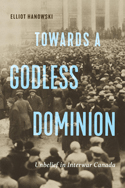


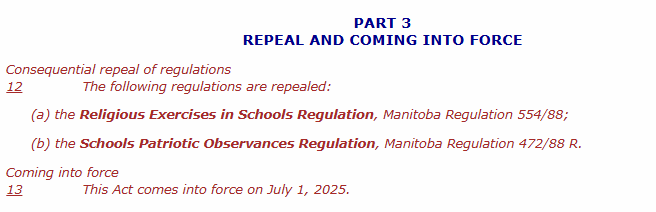


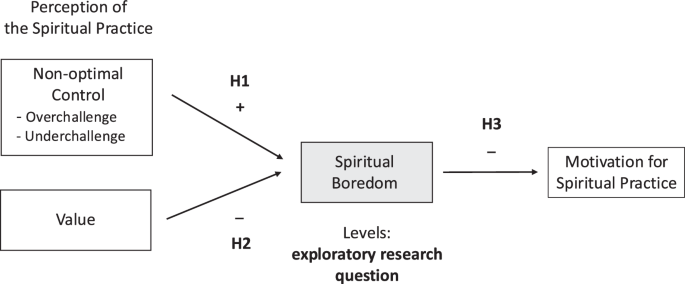
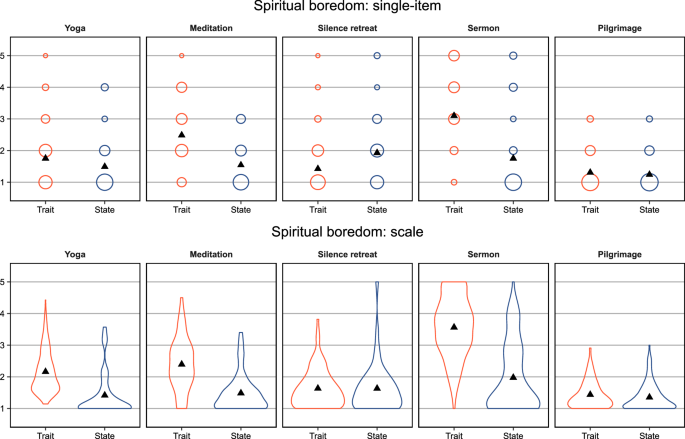
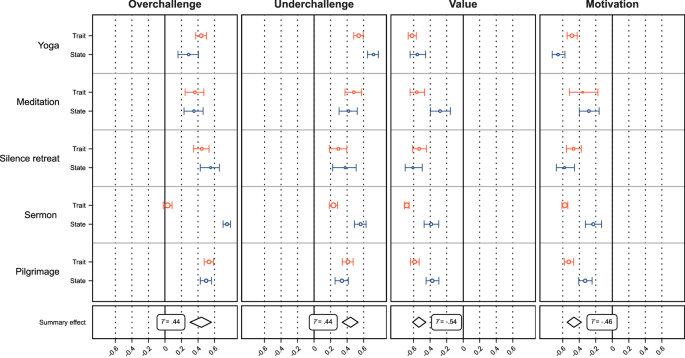




 Humanist Heritage Canada